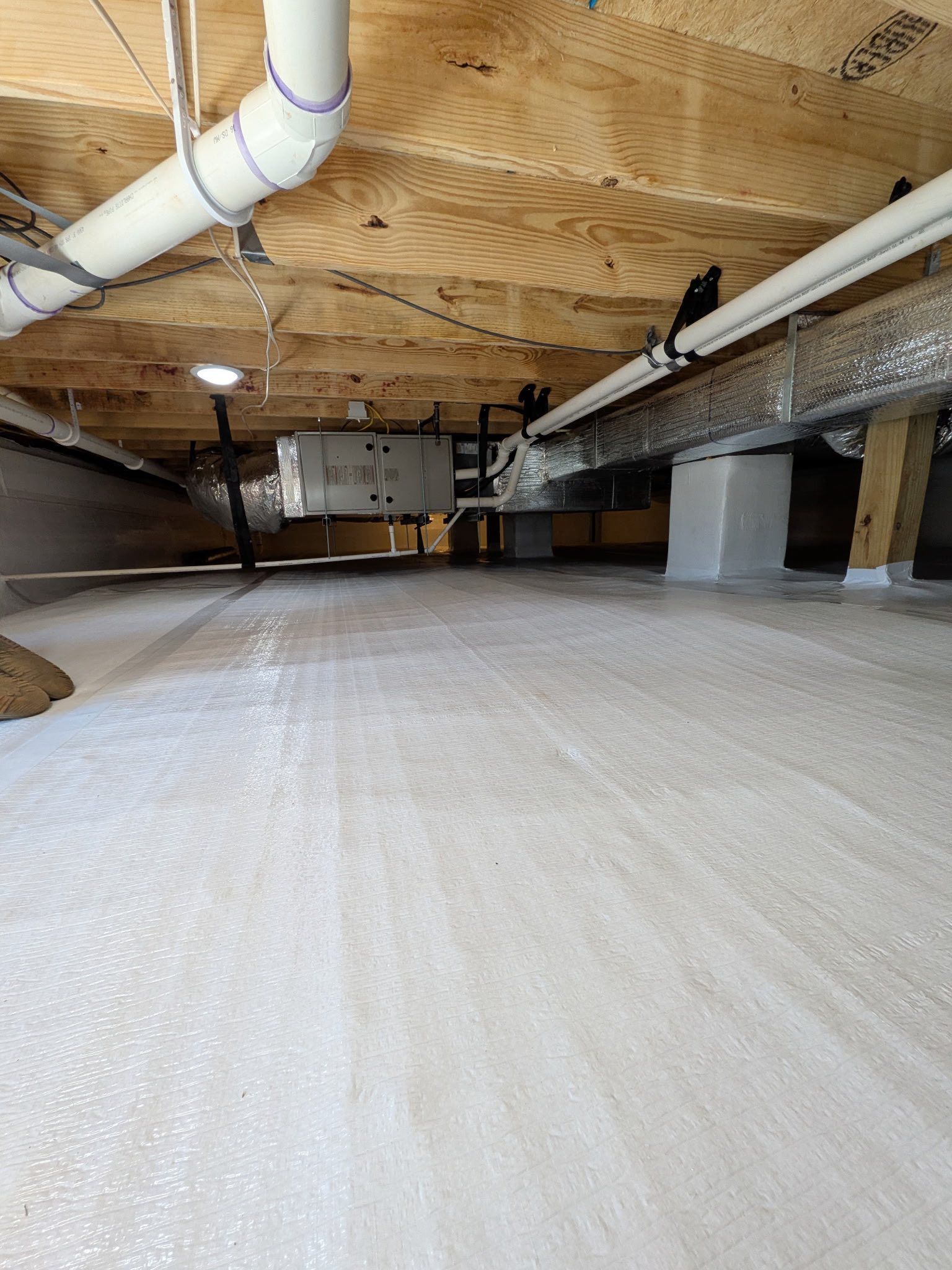
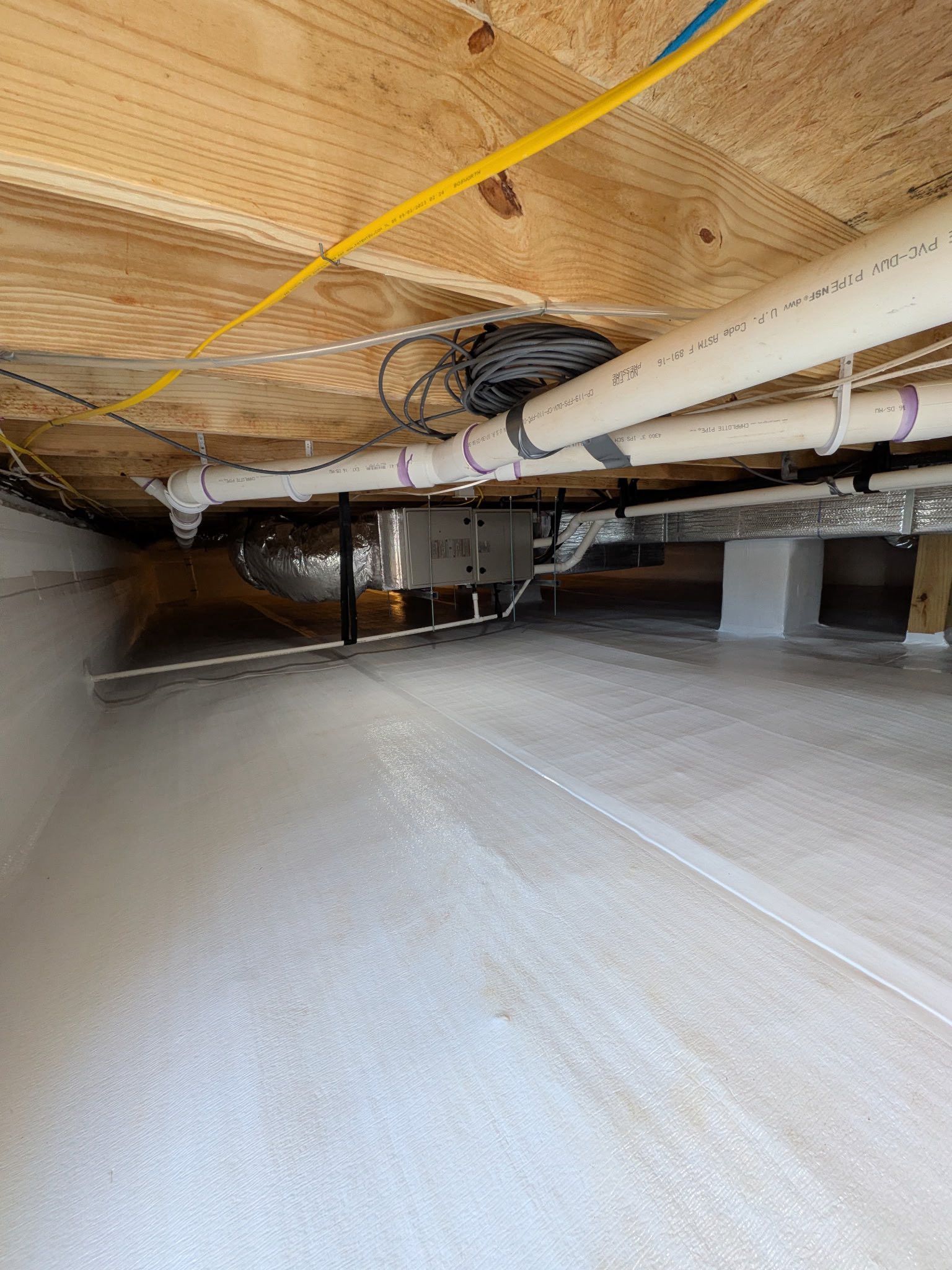
Crawl Space Problems in Champaign, IL
Professional Crawl Space Solutions for Champaign Homes Built for Central Illinois Conditions

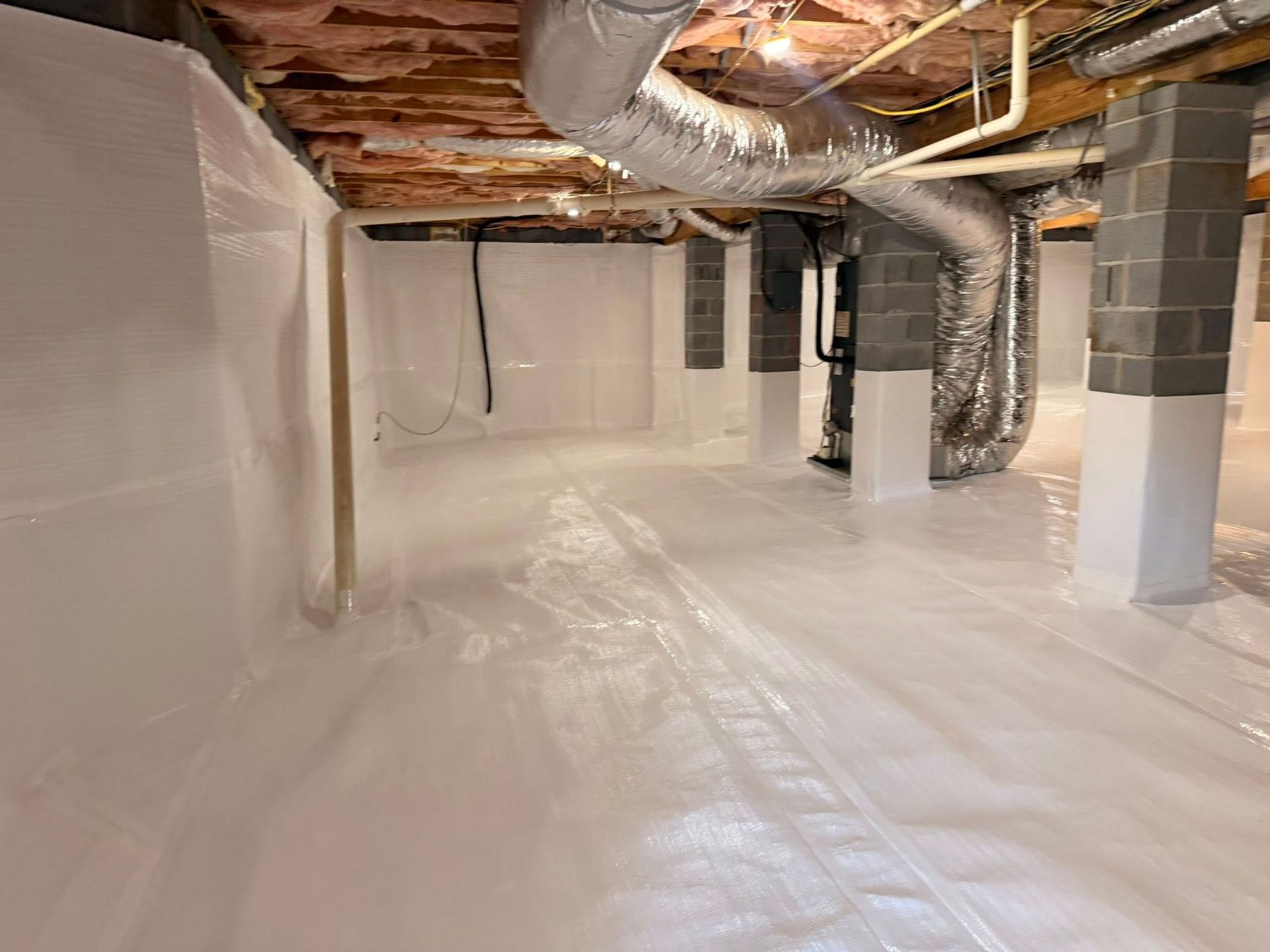
Charleston Has All the Ingredients for Crawl Space Problems
Champaign sits on heavy clay soil that drains poorly. During spring rains, water often collects around foundations and ends up in crawl spaces. After years of working on homes across Champaign—from older properties near campus to newer neighborhoods in the southwest—the patterns are consistent.
Water table levels vary by area. They are typically lower near the university and higher around Kaufman Lake and along the Curtis Road corridor. Drainage from Copper Slough and Saline Branch also affects how water moves through different neighborhoods. After heavy rain, certain areas are more prone to crawl space flooding.
Central Illinois humidity adds another problem. Summer humidity often reaches 80% or higher, creating condensation in vented crawl spaces. In winter, freeze-thaw cycles place additional stress on older foundations.
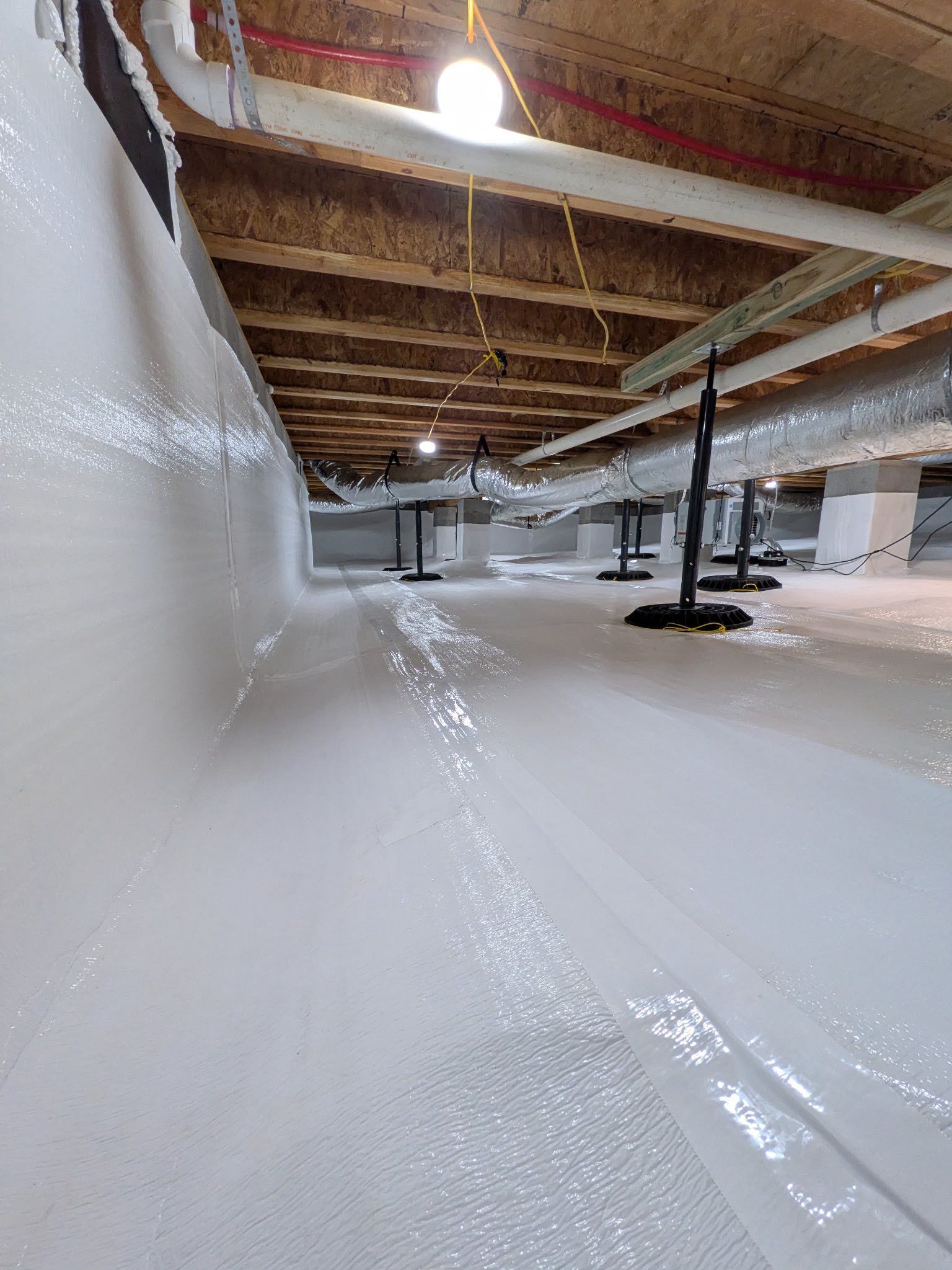
Based in Mahomet, about 15 minutes from Champaign, the focus remains on crawl space encapsulation, waterproofing, and structural support—specialized solutions built for local conditions.
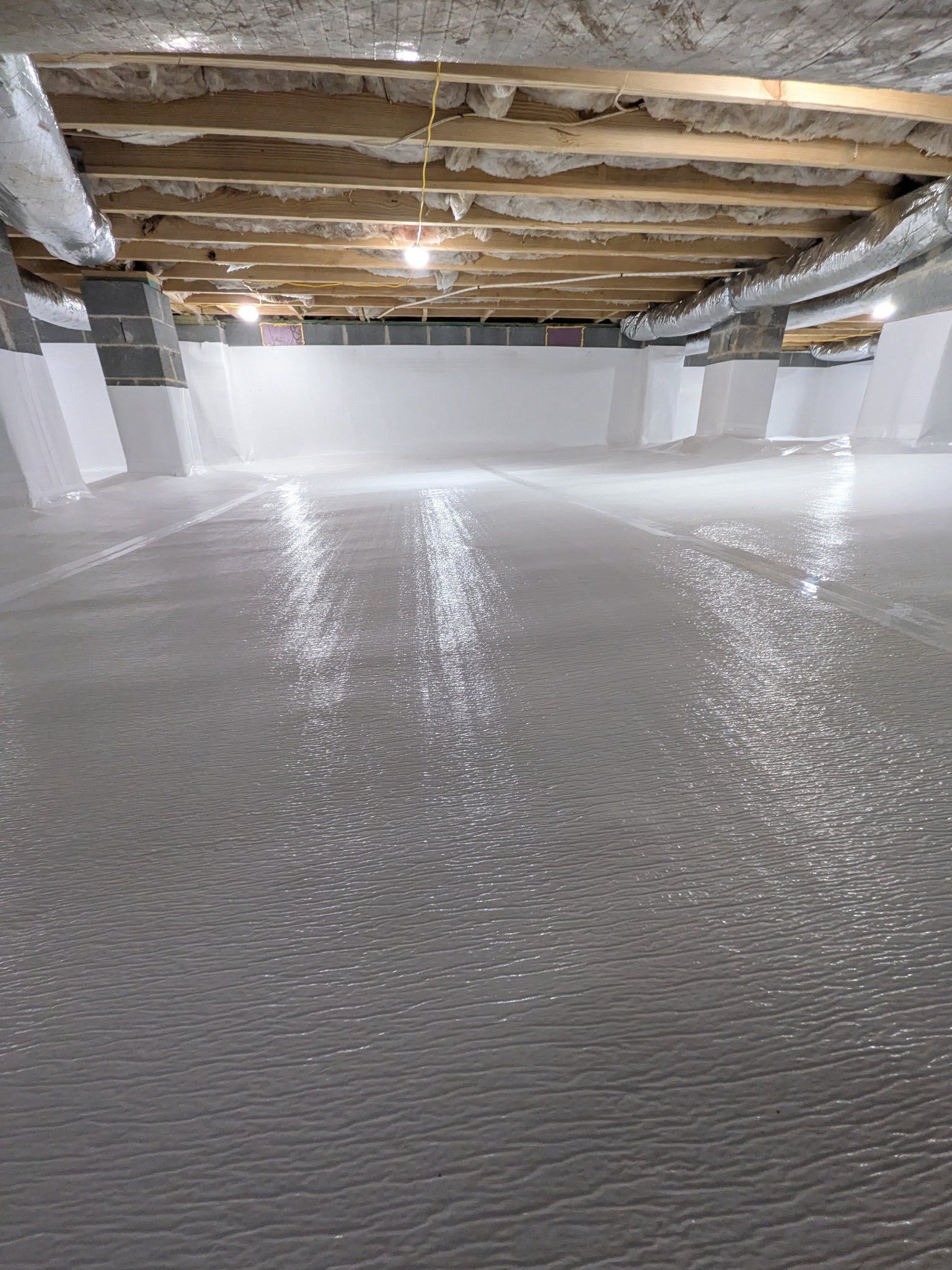
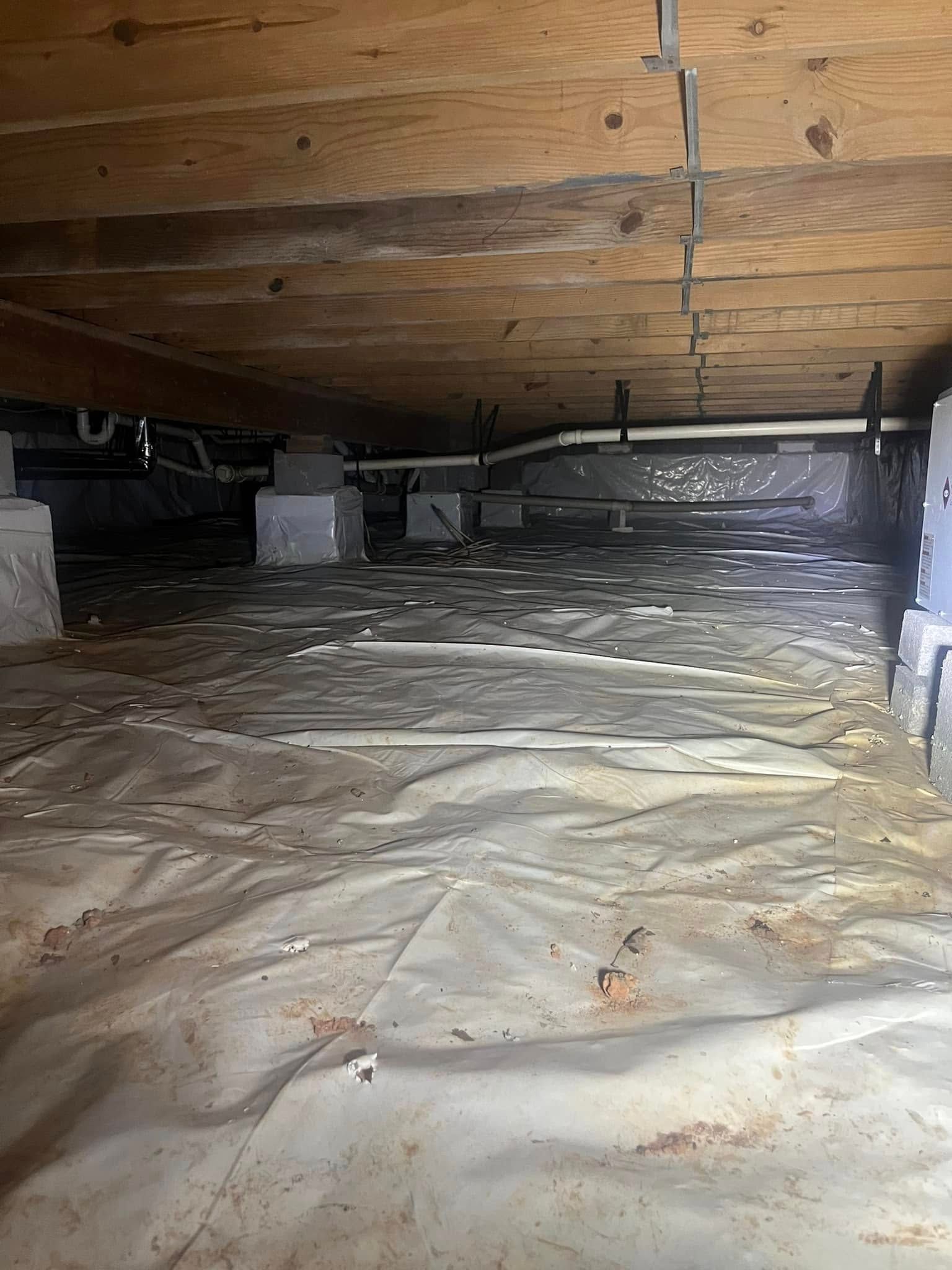
Recurring Crawl Space Issues in Champaign Homes
Spring rains in Champaign often leave standing water near Copper Slough, Saline Branch, and low-lying yards until proper drainage is installed.
Older homes, especially mid-century builds, frequently have sagging or bouncy kitchen floors—usually 2x8 joists spanning too far. Musty smells persist despite dehumidifiers, fans, or open windows because the real culprit is crawl space humidity.
Landlords and homeowners discover multiple crawl space issues during inspections after years of deferred maintenance. Newer homes, particularly in southwest Champaign, face spring water intrusion when drainage systems aren’t designed for heavy clay soil.
Every crawl space is unique, but patterns across Champaign are predictable. Local soil, water table levels, weather, and construction methods create recurring problems that require targeted solutions.
Your Home's Age Tells Us What to Look For
Pre-1950s Homes
1950s-1970s Homes
1980s-1990s Homes
2000s-Present
These are the homes near campus, downtown, and in the older established neighborhoods. Beautiful homes, solid construction for their time—but crawl spaces weren't a priority back then.
What we typically find: Stone or brick pier foundations that have settled and shifted over the decades. There's usually no vapor barrier at all—they weren't standard practice when these homes were built. Floor joists are often undersized by today's standards—2x6s or 2x8s spanning distances they shouldn't. There's no perimeter drainage system, so water just sits against the foundation when it rains.
I worked on a home near downtown Champaign last year that was built in the 1920s. The floor joists were 2x6s spanning 14 feet. No wonder the kitchen floor felt like a trampoline when you walked across it.
Common problems: Sagging, bouncy floors from those undersized joists. Chronic moisture issues because there's no vapor barrier and the clay soil is constantly releasing humidity. Foundation settling over time creates cracks that let water in. Mold and mildew from decades of unchecked humidity. These homes need structural support, moisture remediation, and complete encapsulation—usually all three.
Pre-1950s Homes (Downtown Champaign, Old Town, Near University)
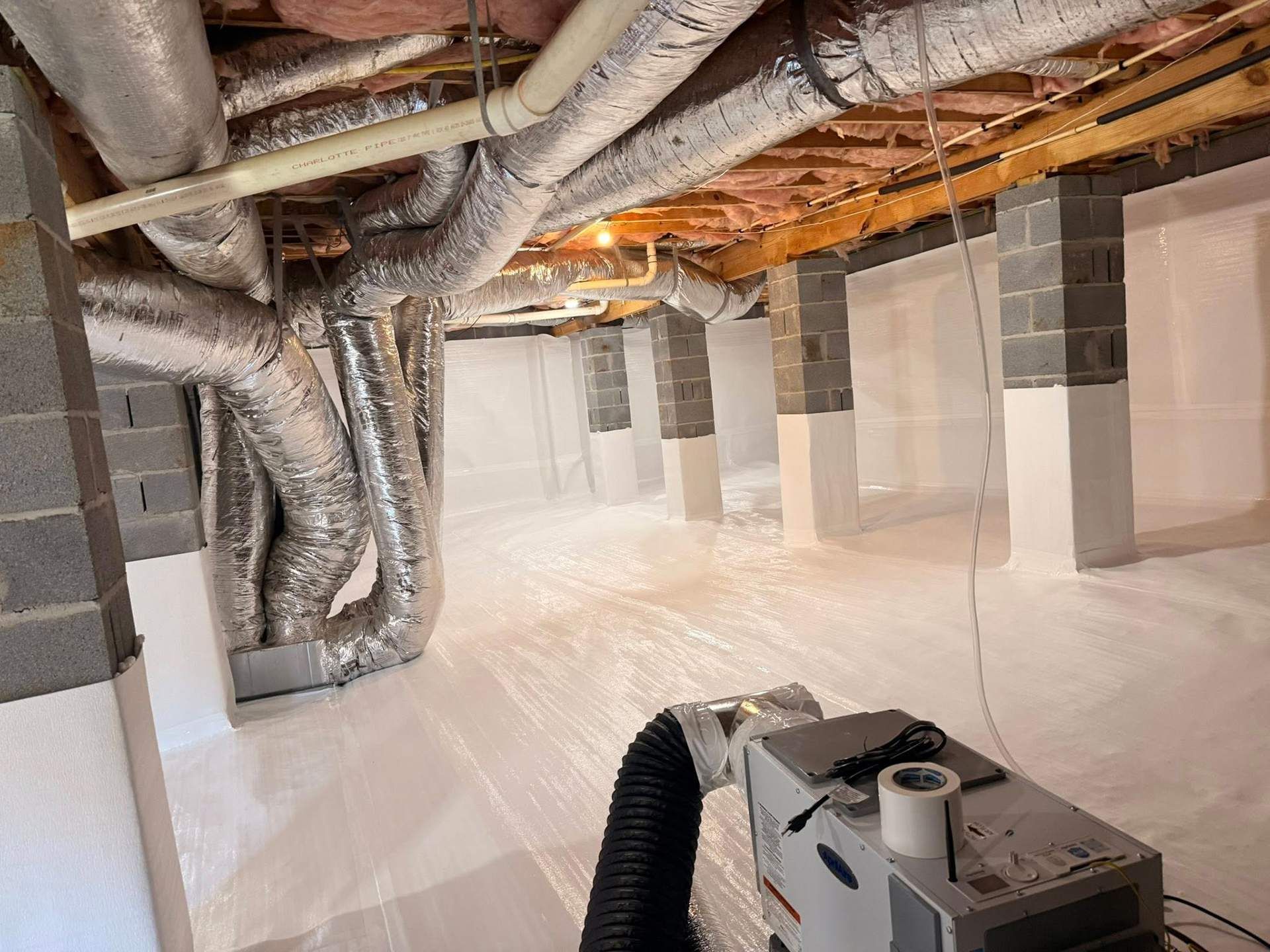
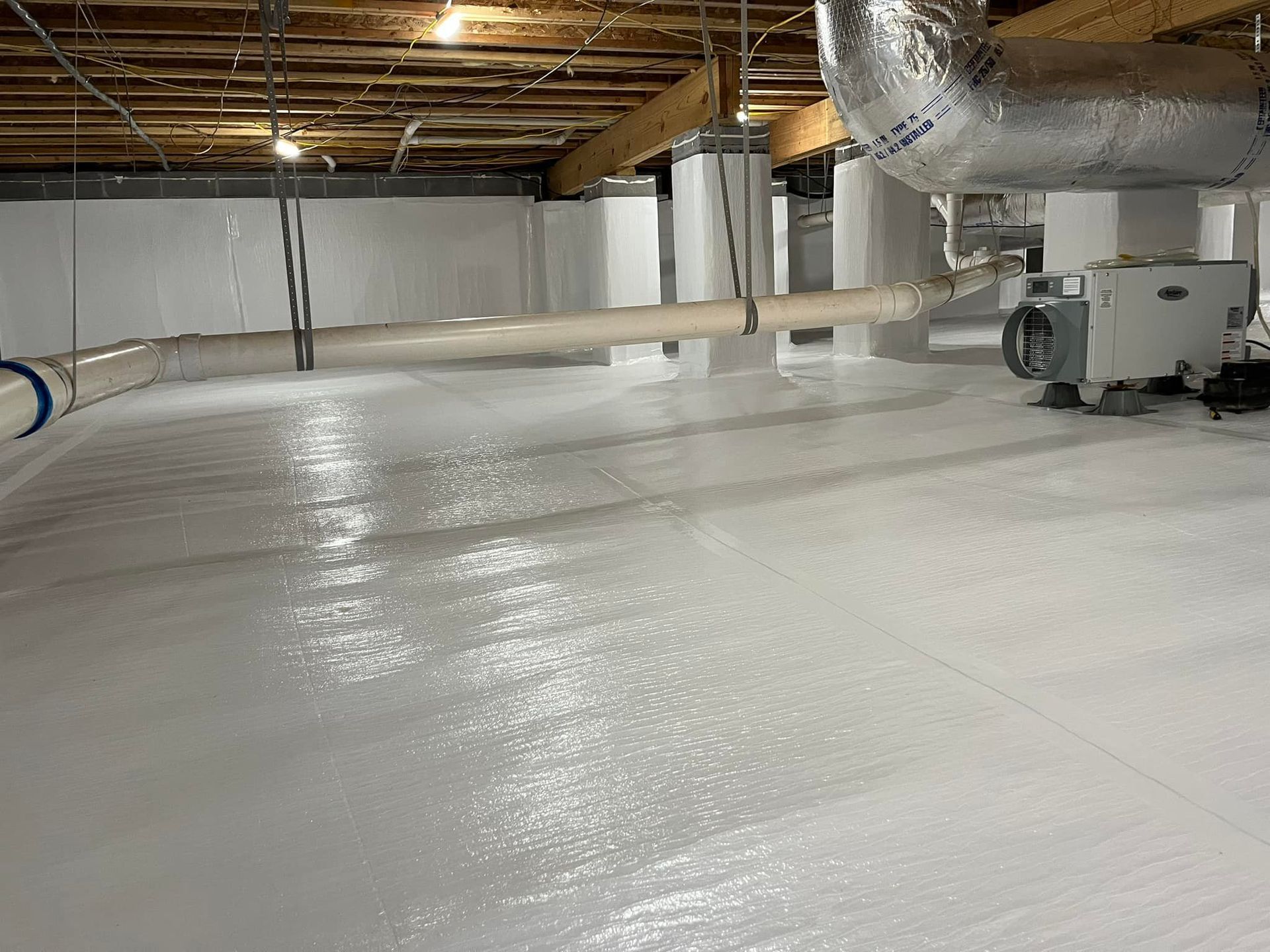
This was Champaign's big growth period. Homes went up fast in neighborhoods spreading west from Neil Street and throughout what's now considered central Champaign. These homes were built to a price point, and crawl spaces show it.
What we typically find: Concrete block foundations—standard for this era and generally solid, but they can develop cracks. Minimal crawl space height, often just 18 to 24 inches, which makes working down there tight. Open foundation vents because everyone thought outside air would dry things out—it doesn't, it makes humidity worse. Thin vapor barriers if there's one at all, usually 4 to 6 mil plastic that's torn or bunched up in corners.
Homes from this era in Champaign were built fast and cheap. They work fine, but crawl spaces weren't given much thought beyond meeting minimum code.
Common problems: High humidity from those open vents bringing in Central Illinois summer moisture. Condensation forming on HVAC ducts and plumbing in the summer. Standing water in low corners after heavy spring rains. Insulation that's fallen down or been pulled apart by rodents for nesting material. These homes need vent sealing, proper vapor barriers, and dehumidification.
1950s-1970s Homes (Expanding Champaign Neighborhoods)
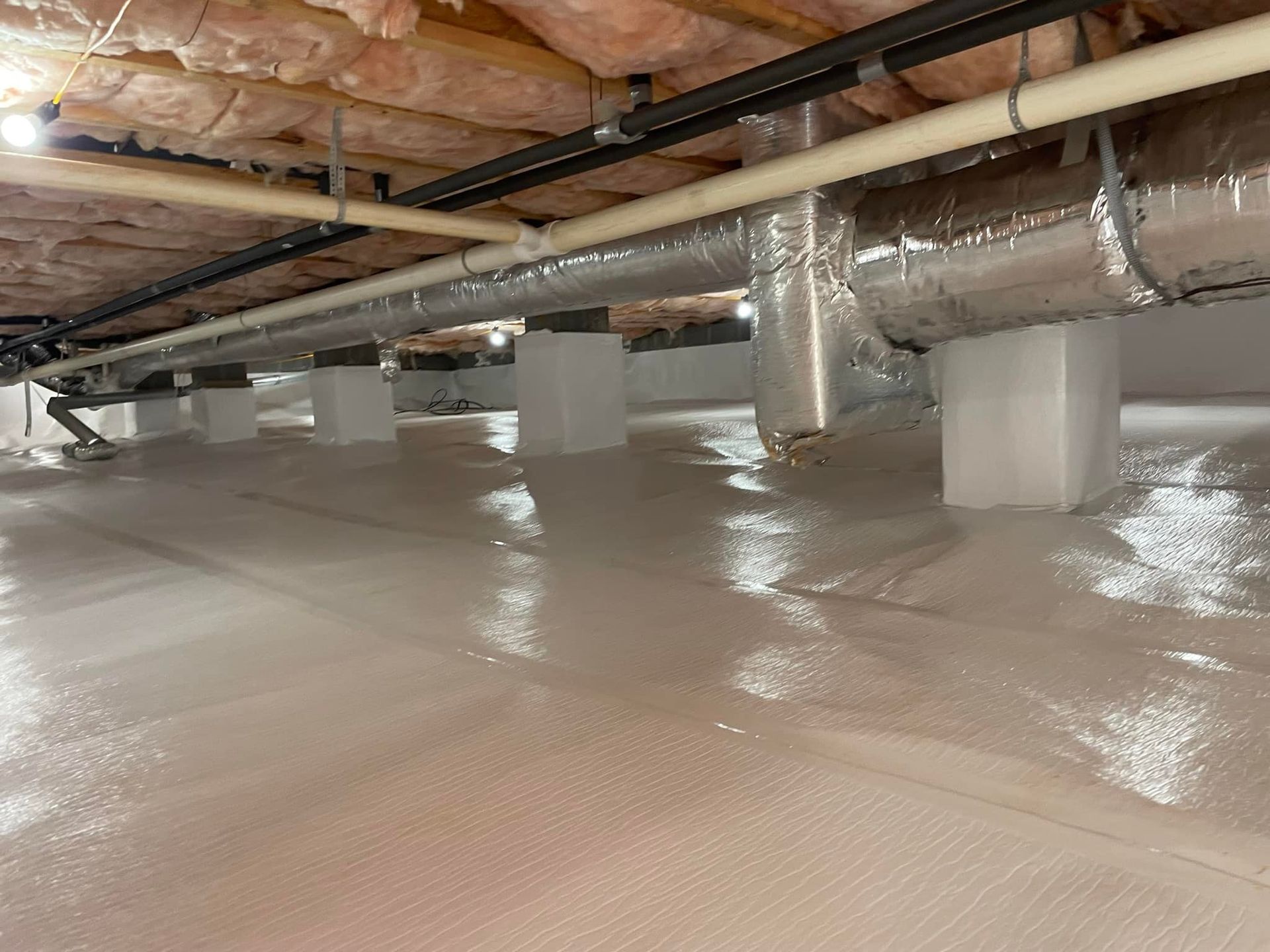
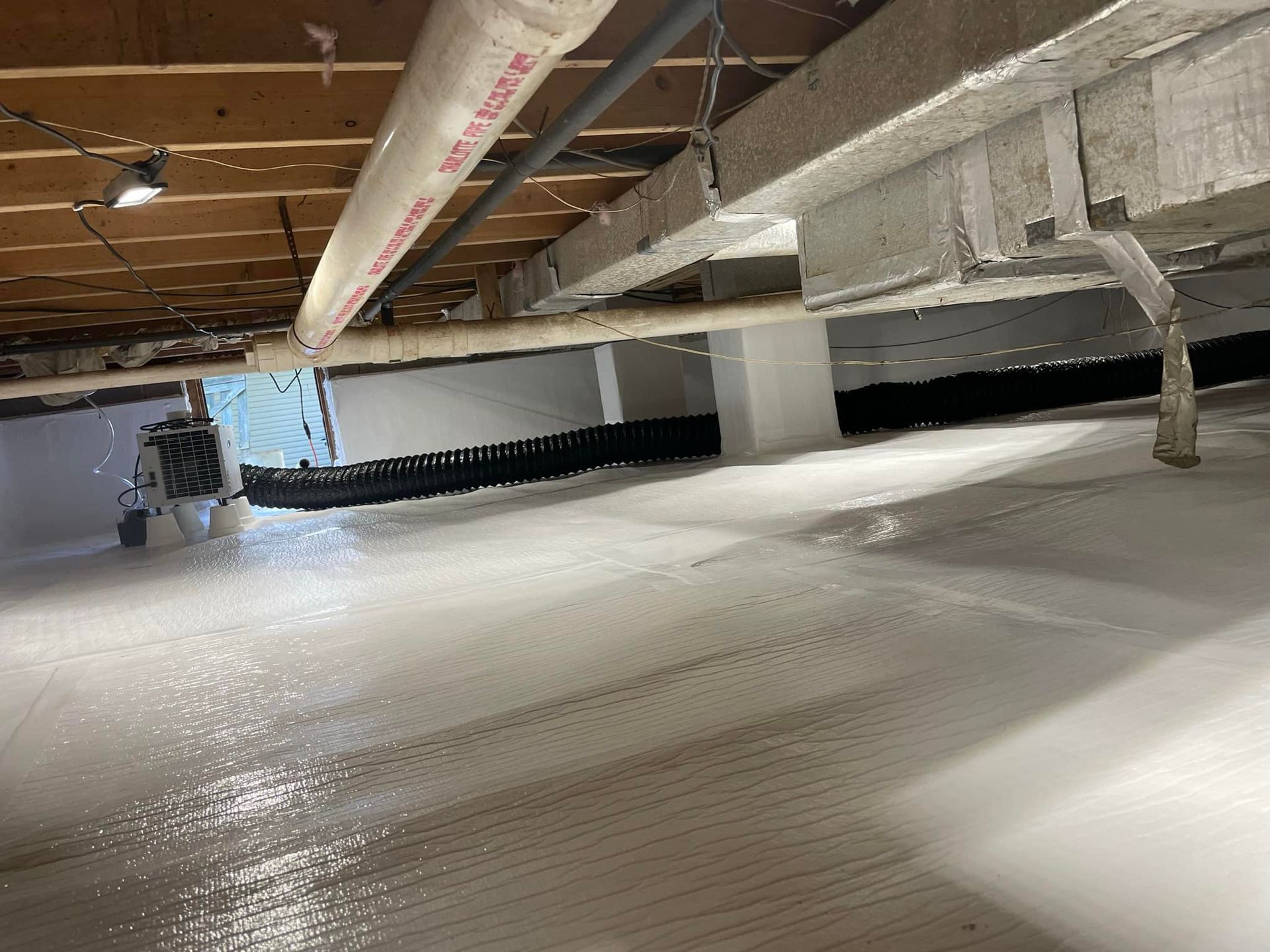
Champaign expanded southwest during these decades. Construction quality improved, but crawl space problems didn't disappear—they just changed.
What we typically find: Poured concrete foundations, which are better than block and less prone to cracking. Better crawl space access, often from inside the home instead of an exterior hatch. Some vapor barrier coverage, but it's often incomplete, damaged, or wasn't installed properly to begin with. HVAC equipment and plumbing in the crawl space, which creates condensate drainage issues if not handled right.
I've worked on dozens of homes in southwest Champaign from this era. They're better built than the older stock, but crawl spaces still weren't sealed or dehumidified. Builders met code and moved on.
Common problems: HVAC condensate lines that drain directly into the crawl space instead of outside. Vapor barriers that are torn, incomplete, or never sealed at the seams. Moisture problems from poor lot grading—subdivisions from this era often have drainage issues because development happened fast. Humidity control becomes critical because better construction means tighter homes, and that moisture has nowhere to go but up into your living space.
1980s-1990s Homes (Growth Period Champaign)
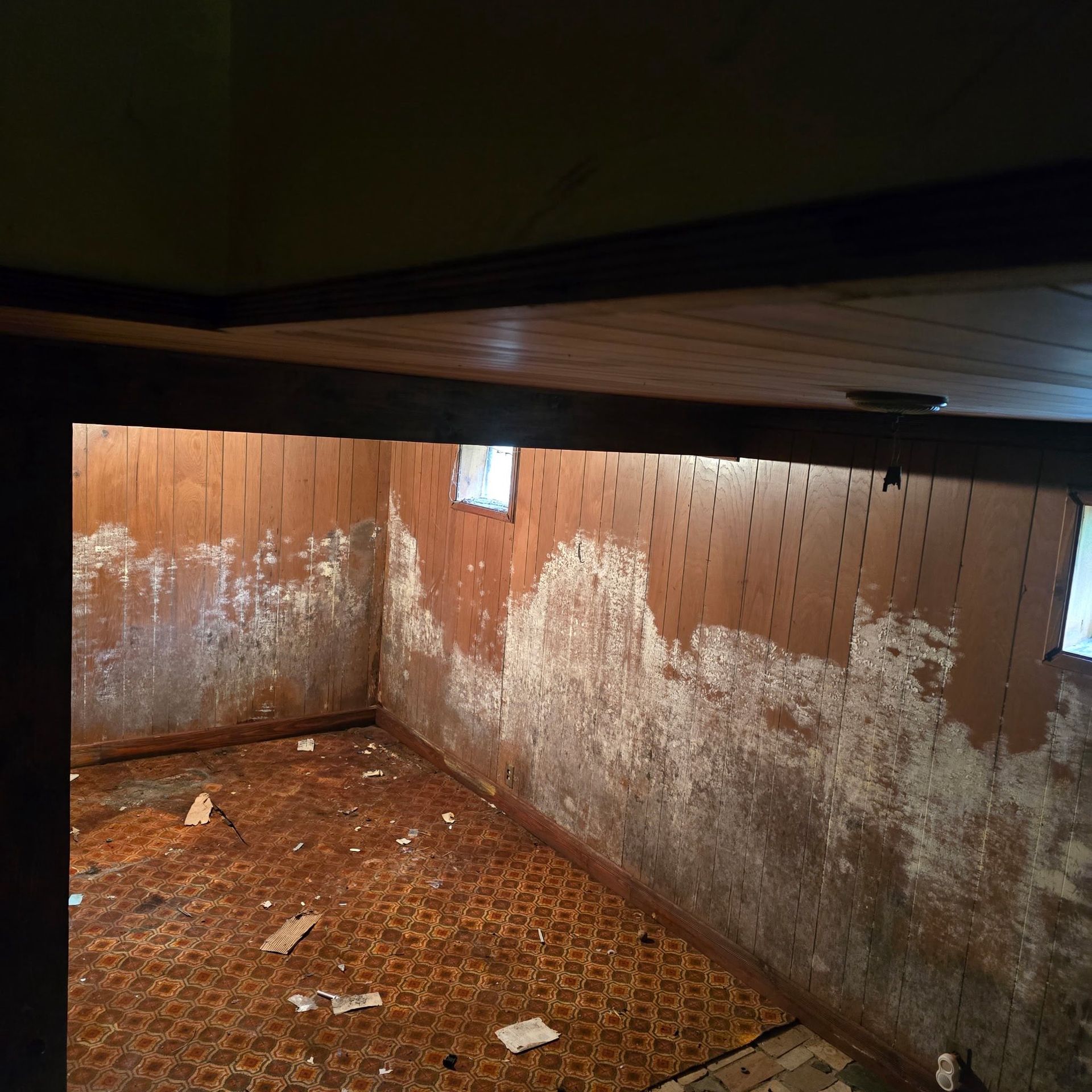
The newest homes in Champaign's continuing southwest expansion. Modern construction methods, but crawl space problems still happen.
What we typically find: Modern poured concrete foundations. Better initial vapor barriers, though they're not always maintained or properly sealed. HVAC systems are properly sized, but condensate drainage is still an issue if the builder cut corners. Grading problems from fast development—when subdivisions go up quickly, lot grading often gets rushed. Newer doesn't mean problem-free. I've encapsulated crawl spaces in Champaign homes that were less than 10 years old. The problems are just different.
Common problems: Lot grading that directs water toward the foundation instead of away from it—extremely common in fast development. Moisture from nearby construction disturbing natural drainage patterns. Inadequate dehumidification despite having a vapor barrier—the barrier keeps ground moisture out, but it doesn't control humidity. Builders cutting corners on crawl space details to save money because homeowners don't see it until there's a problem.
2000s-Present (New Construction Southwest/South Champaign)
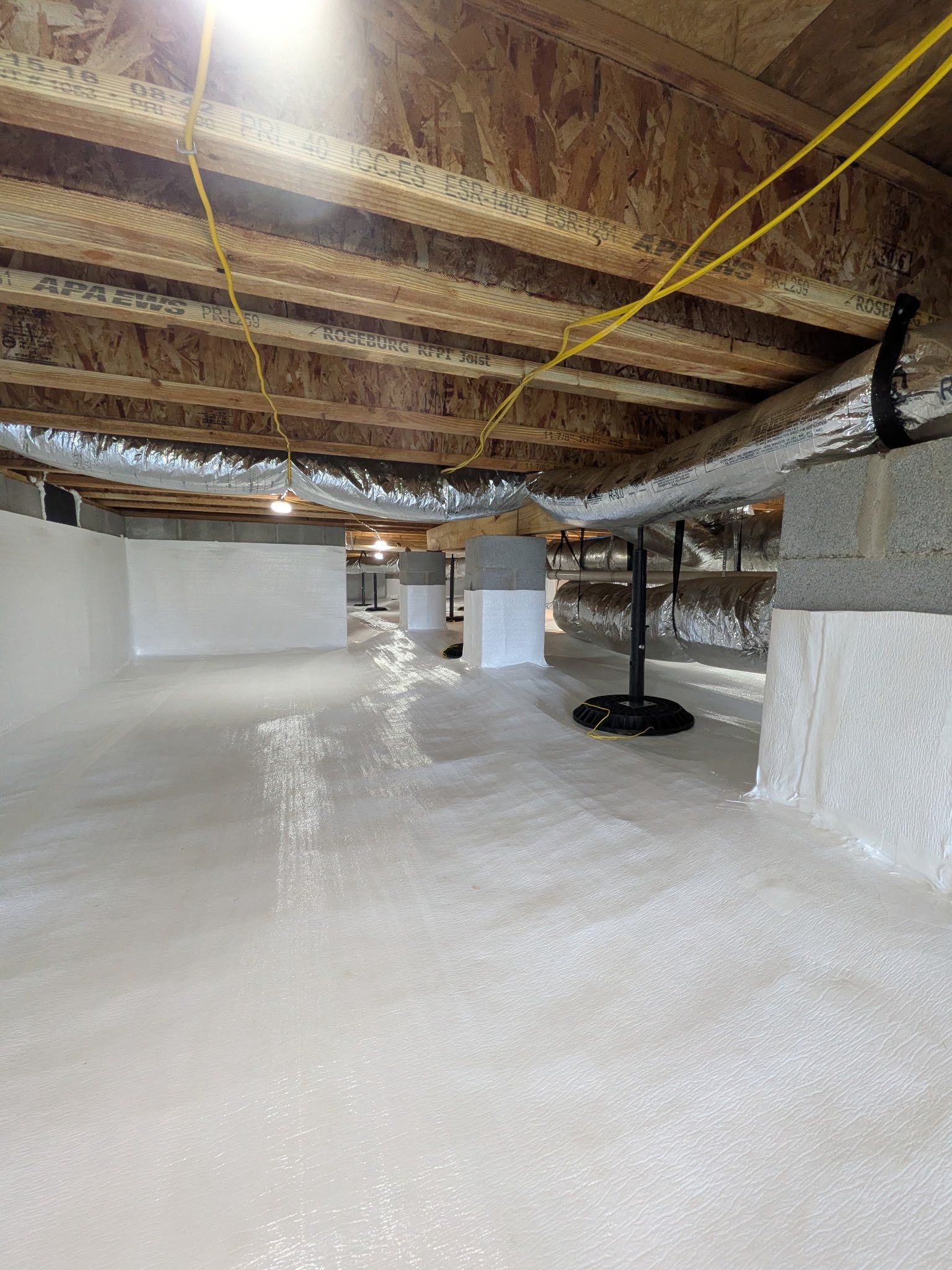
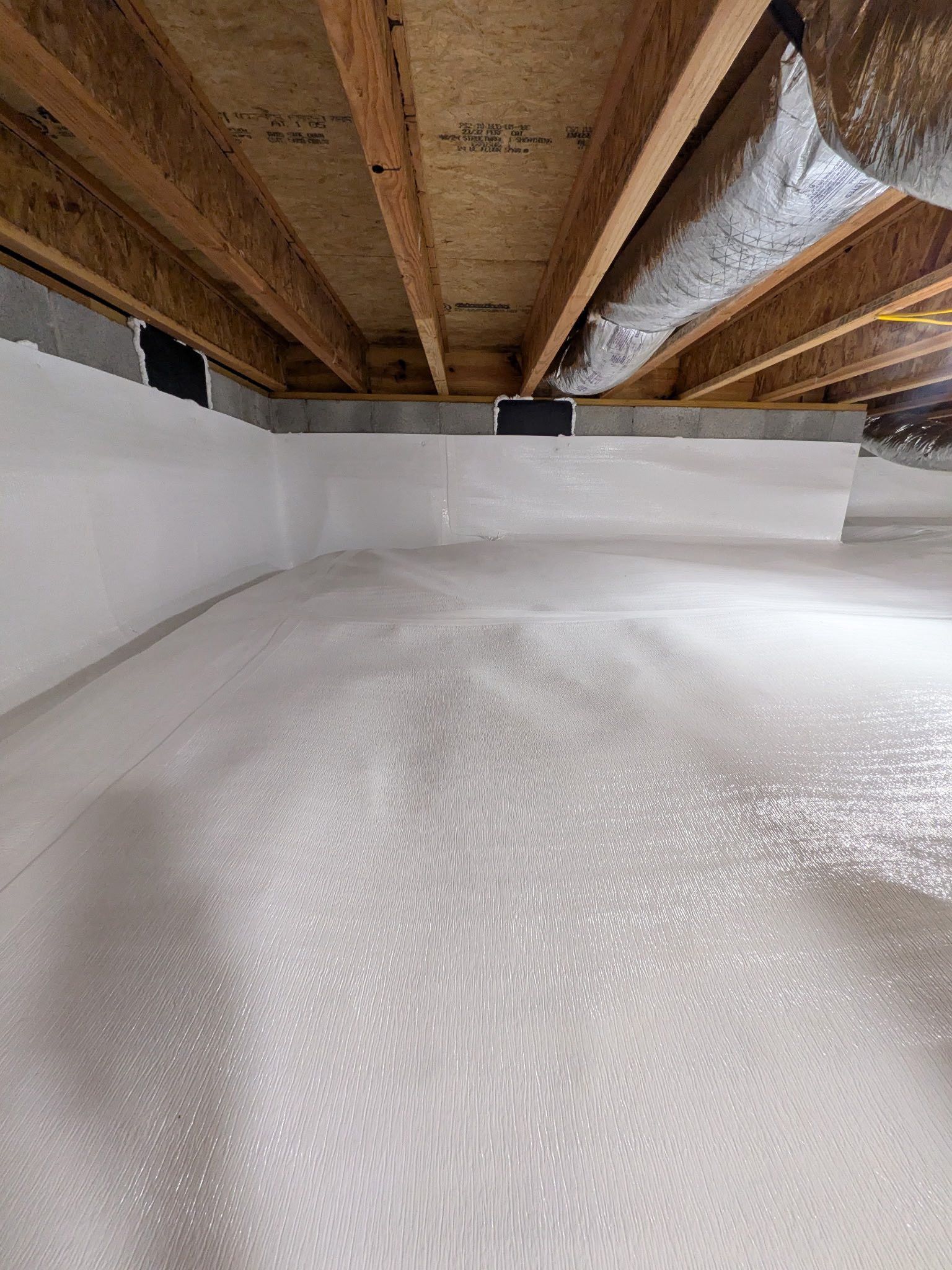
From Standing Water to Sagging Floors—Here's What Actually Works
Spring Water Intrusion
This is the number one issue we deal with in Champaign. Heavy spring rains combined with clay soil and poor lot grading equals standing water in crawl spaces. It happens every year. Copper Slough and Saline Branch drainage patterns affect how water moves through different parts of town, and homes in lower-lying areas near Kaufman Lake and certain neighborhoods along Curtis Road are especially vulnerable.
Every March and April, my phone rings with Champaign homeowners dealing with water in their crawl spaces. It's predictable. We install French drains to intercept the water before it pools, sump pumps to remove it when it does get in, and we correct exterior grading issues that are directing water toward foundations instead of away from them.
High Humidity
Central Illinois summers are brutal for humidity. We're regularly at 80% or higher. That humid air gets into your crawl space through open vents, and when it hits the cool surfaces down there—your floor joists, your HVAC ducts, your plumbing—it condenses. You end up with moisture on everything.
Open crawl space vents make it worse, not better. We seal those vents, install commercial-grade dehumidifiers that run year-round, and often do complete encapsulation to control the environment under your home.
Sagging Floors
Homes built before 1970 often have undersized floor joists. A 2x8 spanning 13 or 14 feet just isn't enough support for a kitchen or bathroom. Add in moisture that's weakened the wood over time, and you've got bouncy, sagging floors. I've installed floor supports throughout older Champaign neighborhoods—it's a clear pattern.
We install engineered support beams and galvanized adjustable jacks. But we always fix moisture problems first. Supports don't solve moisture—they just hold up damaged wood until it fails again.
Mold and Musty Odors
Moisture plus darkness plus organic material—your wood floor joists—equals mold. And here's what most people don't realize: about 50% of the air you breathe in your home comes up from your crawl space. When you've got mold and mildew down there, you're breathing those spores upstairs.
When my wife was diagnosed with an autoimmune disease, I learned everything about indoor air quality. What's under your house affects your family's health every day. We remove contaminated materials, treat affected surfaces with proper antimicrobials, eliminate the moisture source, and install dehumidification to prevent it from coming back.
What to Expect When You Call
When You Call
Chris or I answer personally. We ask about your symptoms and concerns—what you're noticing, how long it's been going on. Then we schedule an air quality assessment at a time that works for you.
The Inspection
I spend one to two hours in your crawl space doing a complete assessment. You can watch via video stream if you want to see what I'm seeing in real-time. I find every problem, not just the obvious one.
Same-day Findings
We sit down that same day. I show you photos and video of everything I found. I explain what's wrong and WHY it's happening. You'll actually understand what's going on under your house—no confusion, no technical jargon you can't follow.
The Solution
We build it together based on your goals. If this is your forever home, we focus on long-term health and prevention. Selling soon? We prioritize what matters for inspection reports. You help me decide what makes sense for your situation and timeline.
The Work
We show up on schedule. We work consecutively until the job is 100% complete—no disappearing for a week. Most crawl space jobs take two to four days. We document everything. When we're done, we do a complete walkthrough so you see the finished work.
After Installation
We schedule six-month and one-year follow-ups to make sure everything's working right. You have our direct number. When you call, you get Chris or me—not a call center.
Why Mahomet Homeowners Choose My Guys
We're Crawl Space Specialists
We're not Champaign handymen who "also do crawl spaces." We're not national franchises following corporate scripts and upselling you on things you don't need. Crawl space encapsulation, waterproofing, and structural support—that's what we do. That's what we focus on.
We Know Champaign
I've been in hundreds of Champaign crawl spaces. From older homes near campus and downtown to newer construction in southwest Champaign. I know what a 1960s home near the university deals with versus a 2005 home in a newer subdivision. I understand the soil, the drainage patterns, and the construction methods from each era. That matters when we're designing solutions.
We're Local and Accountable
We're close enough to respond quickly when you need us. But we're far enough away that we're not stretched thin trying to serve everyone in town for every service they need. We focus on what we do best—crawl spaces. We're not trying to be everything to everyone. We're specialists who happen to be local.
We Answer Our Phone
When you call, Chris or I answer personally. No phone trees, no automated systems, no waiting days for someone to call you back. When Champaign has a spring flooding event and crawl spaces are taking on water, we're available. Same-day inspections for urgent issues. That's how we operate.
Serving Champaign and Central Illinois
We're based in Mahomet and regularly serve Champaign, Urbana, and Savoy.
We also work in Tolono, St. Joseph, Rantoul, and throughout Champaign County.
If you're in Central Illinois and need crawl space help, give us a call.
We'll let you know if we can help.
Let's Talk About What's Happening Under Your Home
Call us or fill out the form below. Chris or I will answer personally—no runaround, no phone trees.
We'll schedule a thorough inspection and give you same-day findings with video documentation and clear explanations.
No pressure, no surprises—just honest answers about what's happening in your crawl space and how to fix it the right way.
You deserve to understand what's going on under your home.