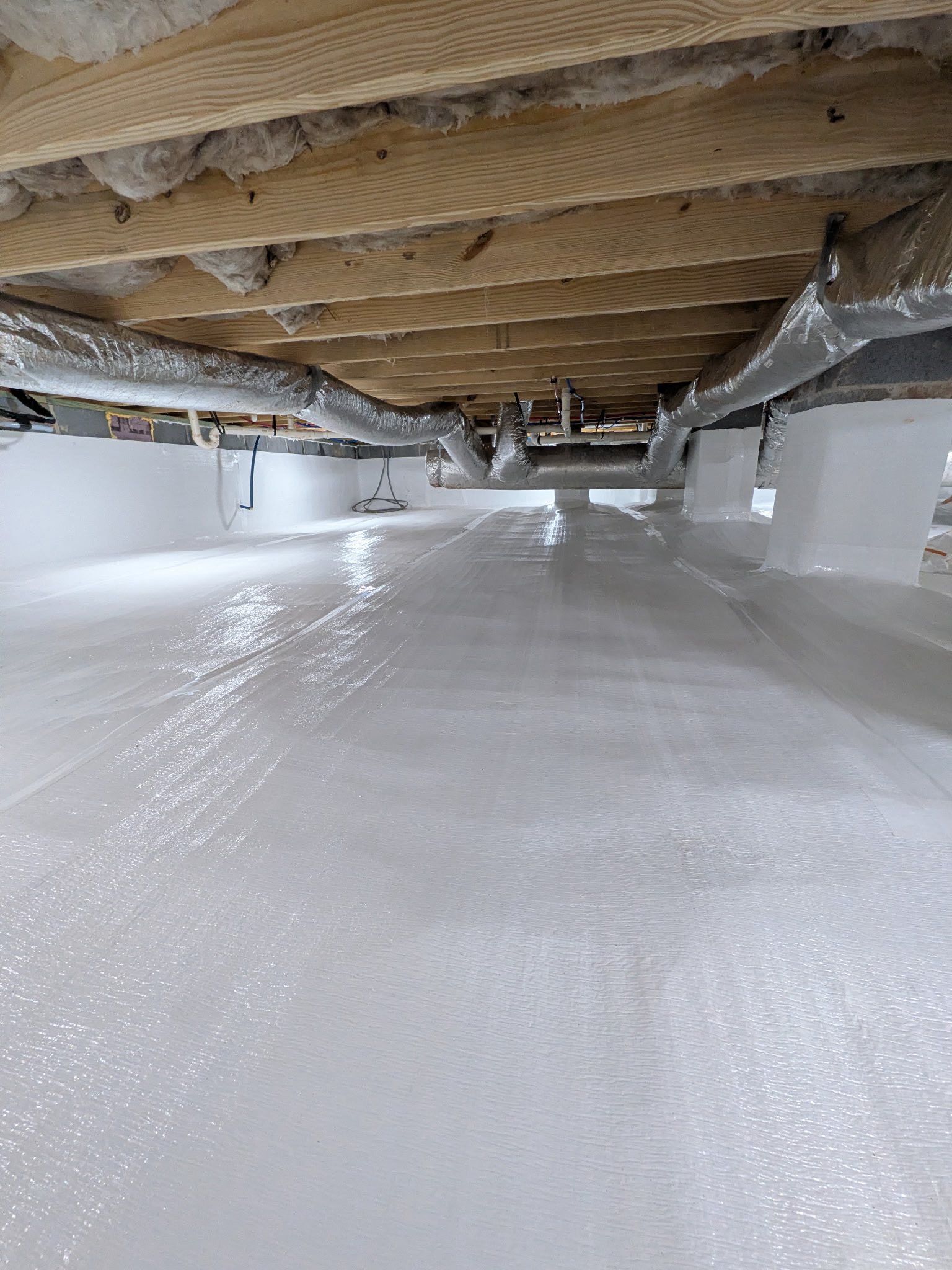
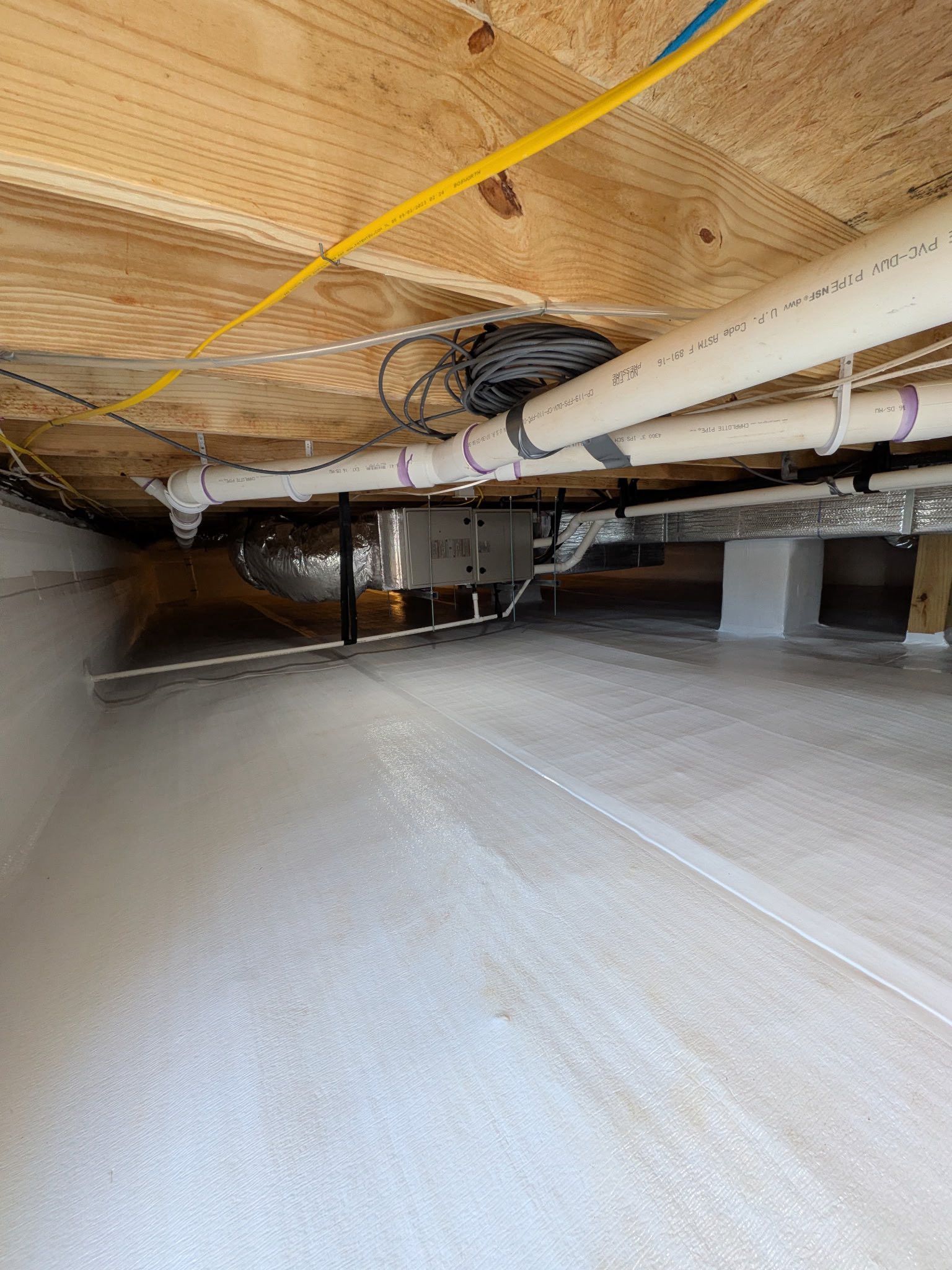
Crawl Space Problems in Decatur, IL
If You're Dealing with Musty Smells, Standing Water, or Sagging Floors in Your Decatur Home

Why Decatur Crawl Spaces Develop Problems
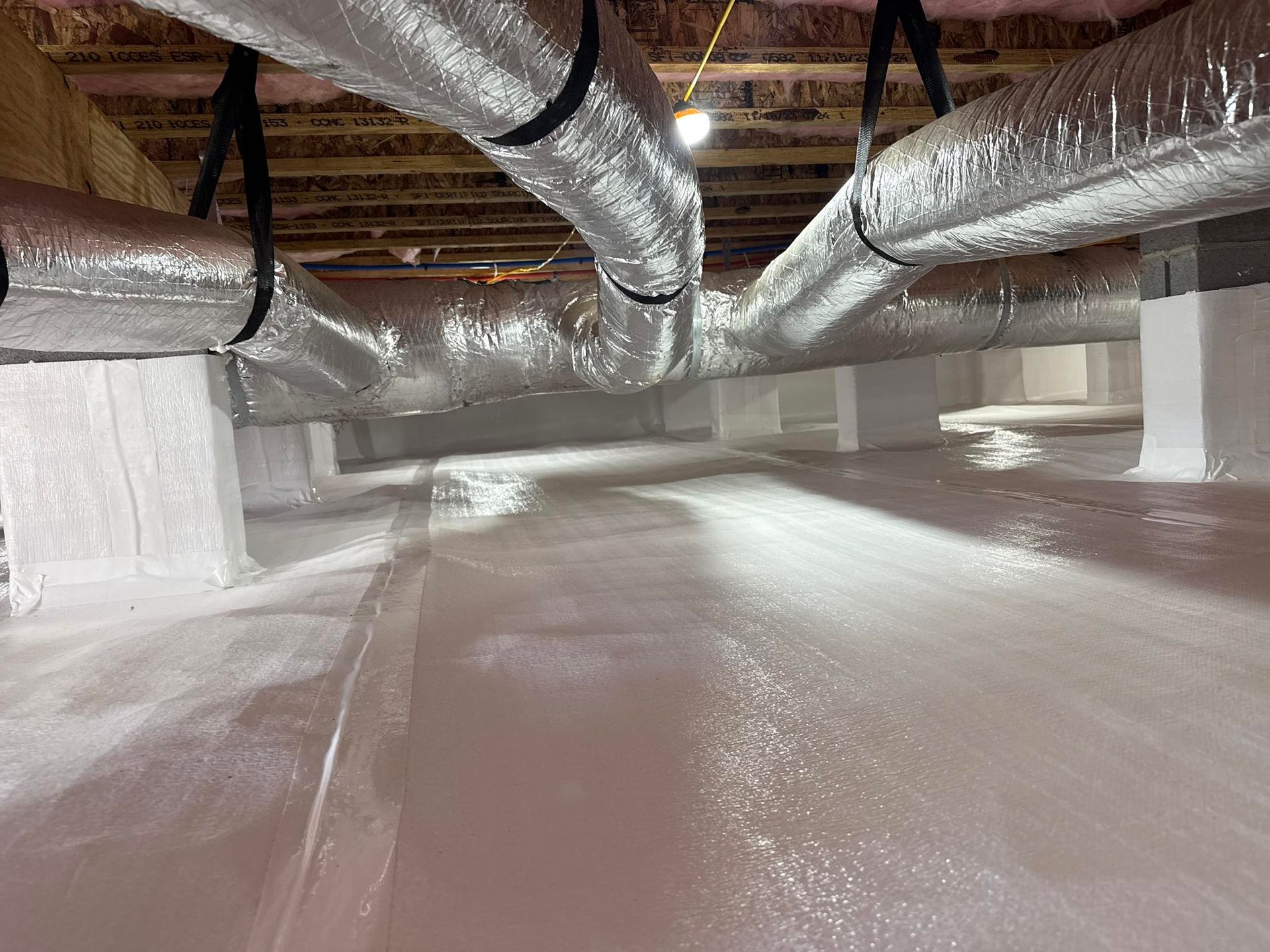
Crawl space problems in Decatur are rarely isolated to one home. The same issues appear throughout the city due to consistent local conditions. Years of work across Central Illinois reveal patterns tied to Decatur’s soil, water table, and common construction practices.
Clay-heavy soil holds moisture and slows drainage, allowing water to collect around foundations. Seasonal rain and humid summers raise moisture levels beneath homes, often leading to musty odors, mold growth, wood rot, and sagging floors. Many older houses were also built with limited crawl space moisture protection, allowing outside air and groundwater conditions to affect the structure below.
These combined factors create recurring crawl space problems across Decatur neighborhoods. Long-term solutions focus on controlling moisture, improving drainage, and protecting structural components from ongoing exposure.
This Work Became Personal After My Wife’s Diagnosis
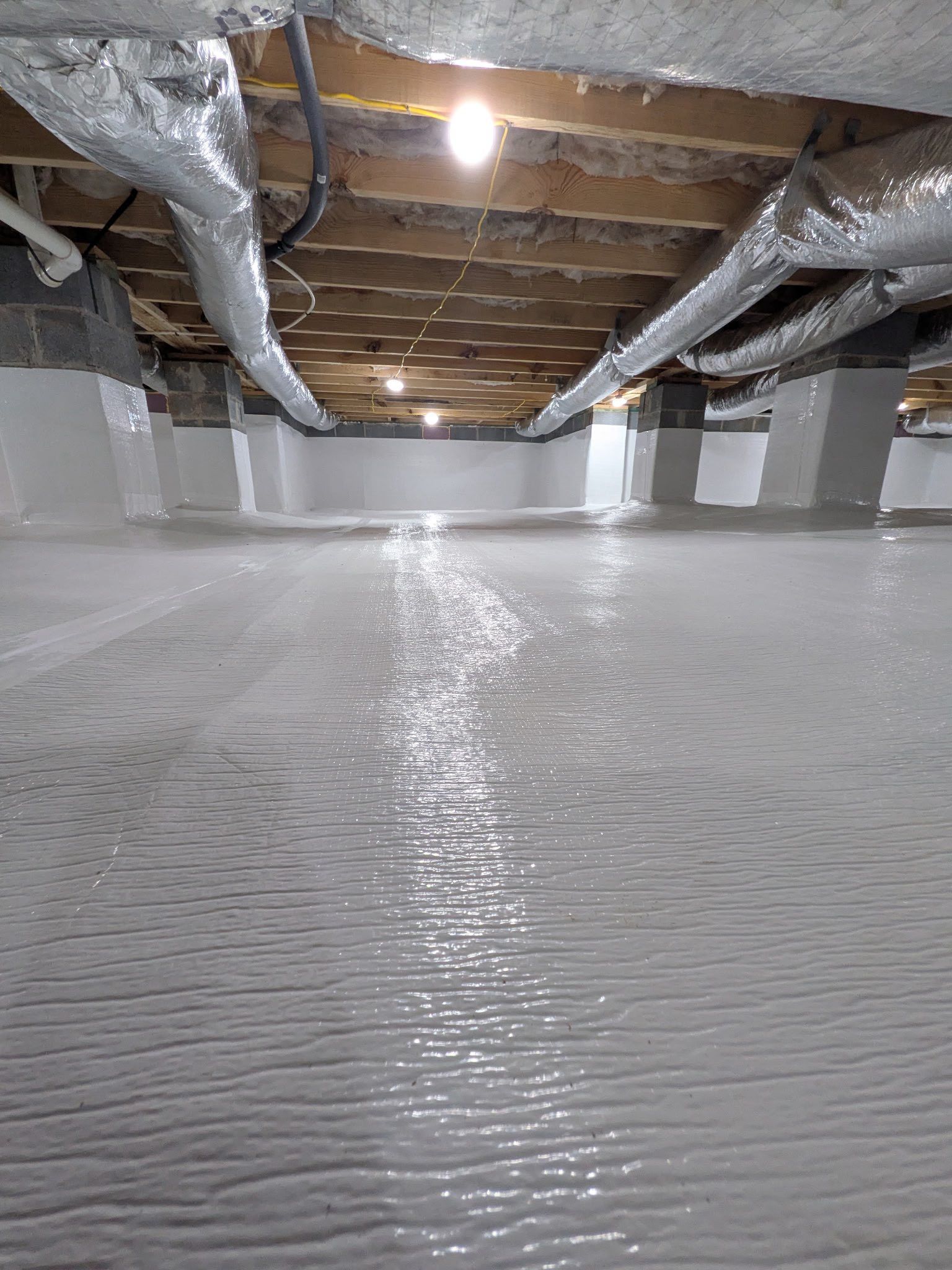
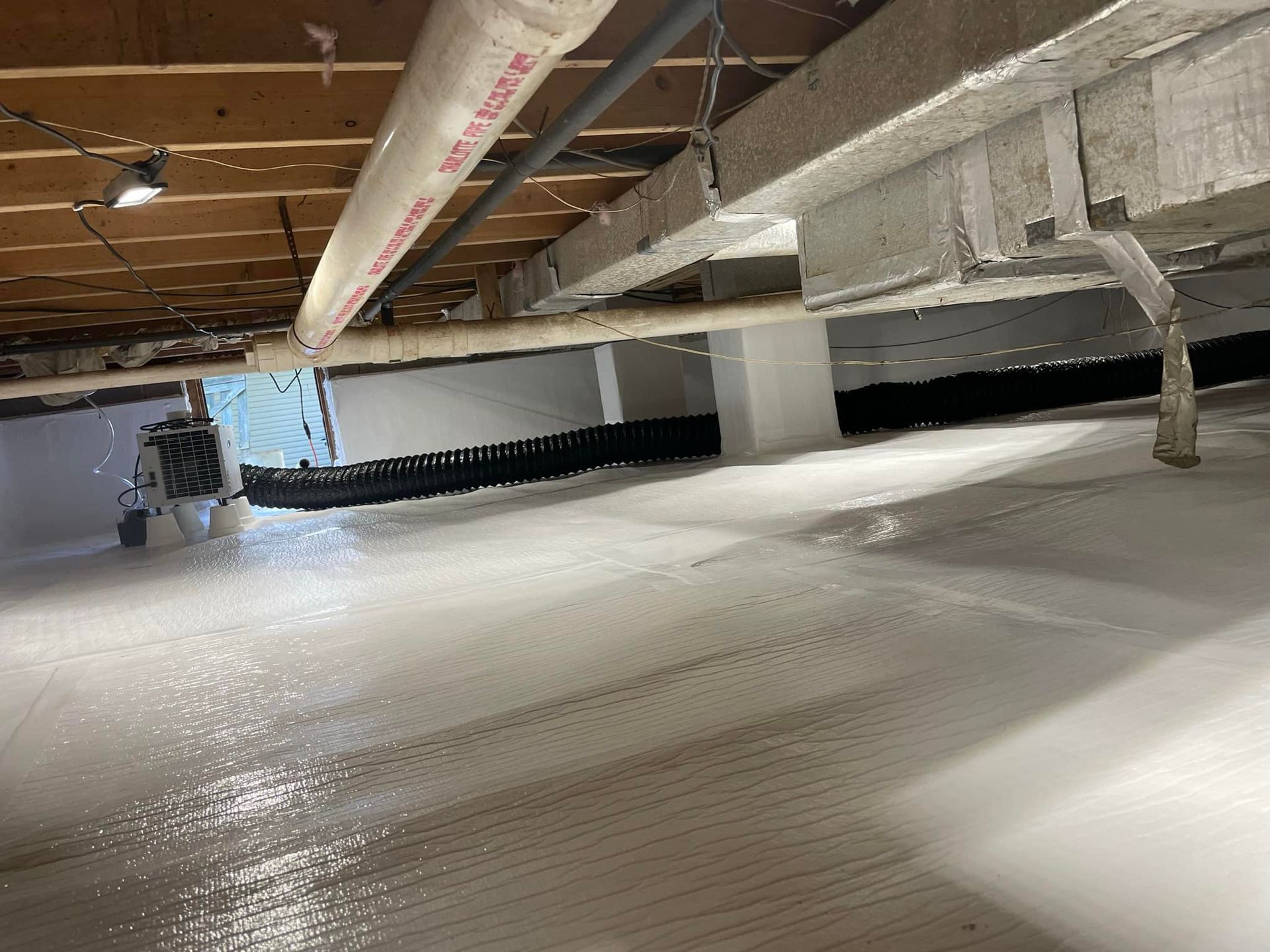
My wife has an autoimmune disease. After her diagnosis, indoor air quality became a priority in our home. During that research, one statistic stood out: up to half the air inside a house can come from the crawl space.
That changes how you think about what’s under your home. If mold, moisture, or mildew builds up down there, it can circulate through the air your family breathes every day. I fixed our crawl space for that reason—because the conditions below the house affect the health of the people living above it.
My background helps me catch problems others miss. I spent years working in HVAC, then in foundation repair before starting My Guys. That combination lets me connect issues between systems that are usually inspected separately.
During a crawl space inspection, I look at everything—HVAC lines, plumbing, drainage, and structure—so the real source of the problem gets found and fixed.
Your Home's Age Tells Me What's Probably Wrong
1940s-1960s
1970s-1980s
1990s-2000s
2000s-present
If your home is on the east side or near downtown, it's probably from this era. These homes have undersized floor joists—usually 2x8s spanning way too far. There's no vapor barrier. Crawl space ventilation is minimal by today's standards. The most common problems I see: sagging or bouncy floors, constant moisture issues, and settling from decades in Decatur's soil. The good news? These problems are fixable. The bad news? Waiting makes them worse and more expensive.
1940s-1960s (Post-War Boom)
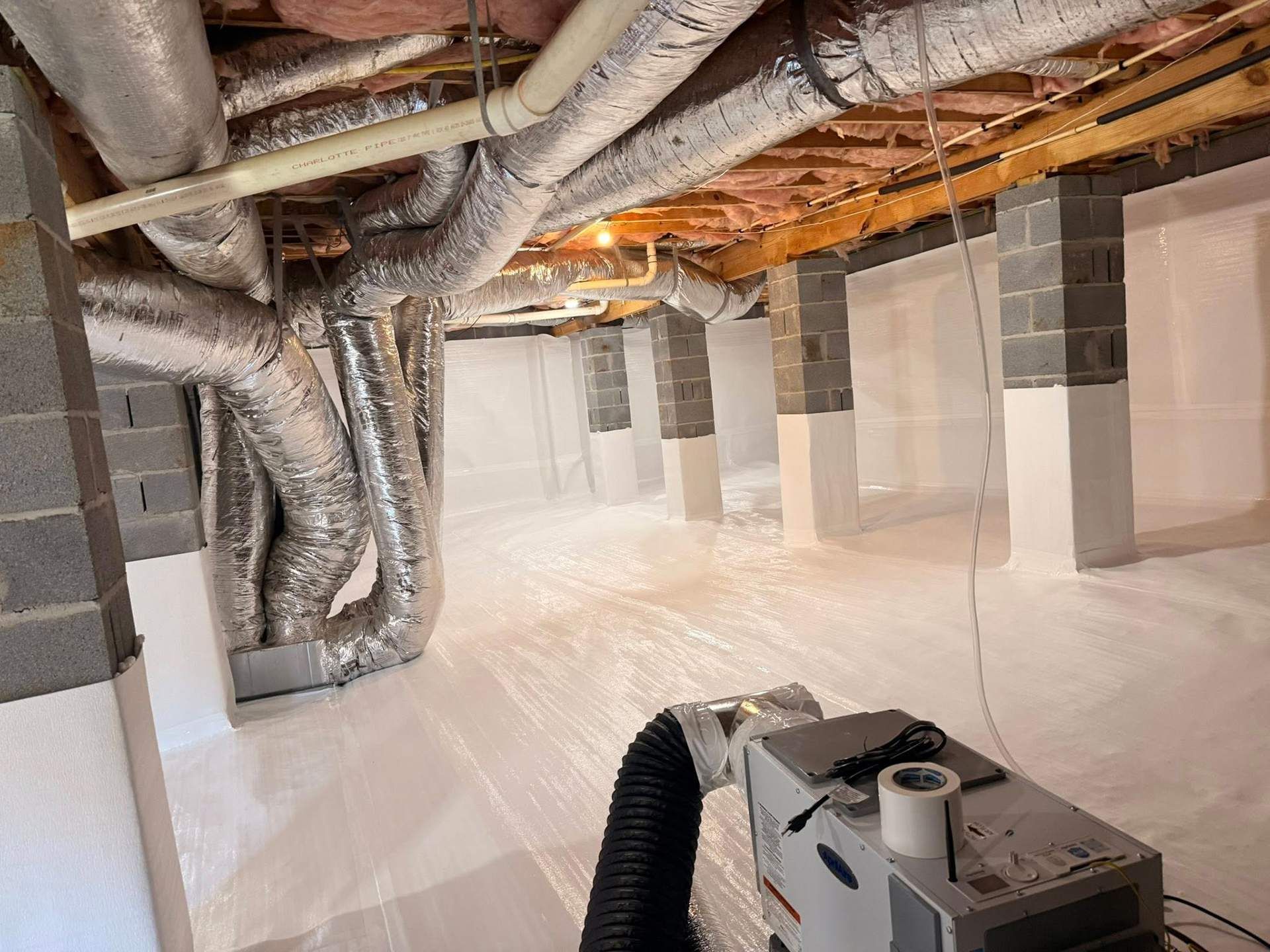
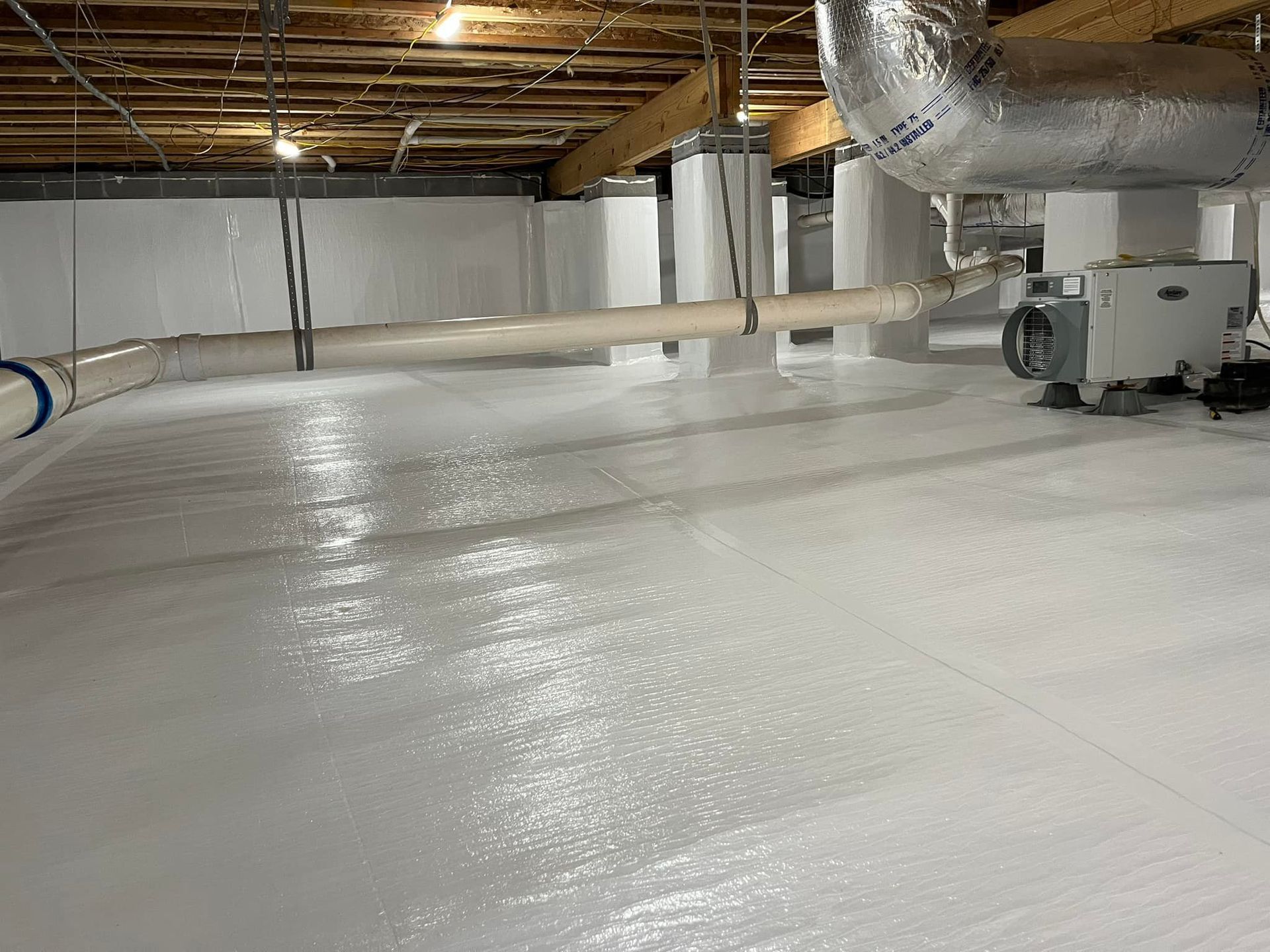
These homes are common in west and south Decatur. Foundation work got better, but moisture control was still primitive compared to today. A lot of these homes have inadequate crawl space access points—tiny hatches that make inspection and repair difficult. The typical problems: high humidity, musty smells, and moisture intrusion during wet seasons. These homes need proper vapor barriers and dehumidification systems.
1970s-1980s
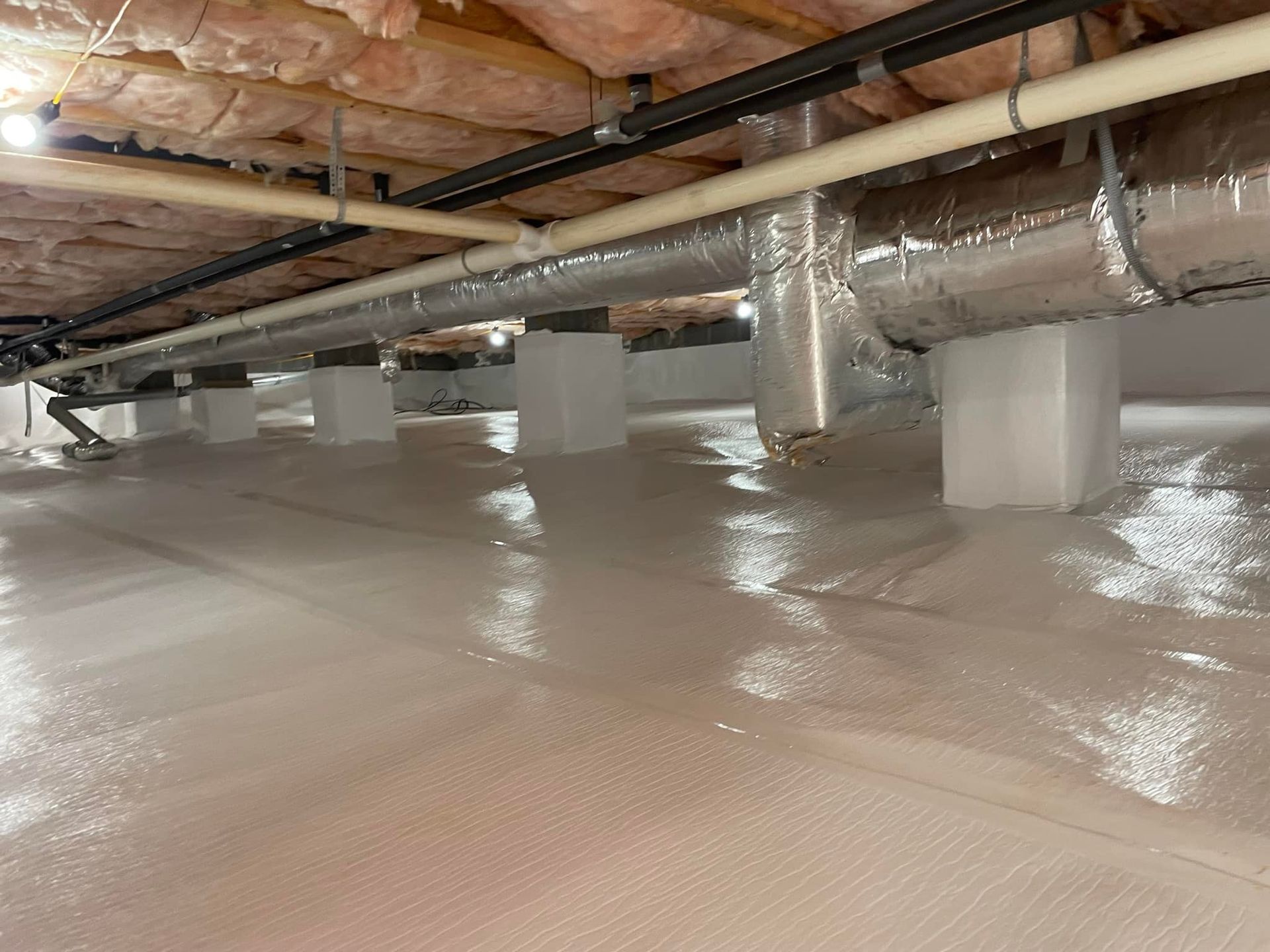
You'll find these in developments on the outskirts. Construction quality improved, but developers often cut corners on lot grading to save money. Water gets directed toward your foundation instead of away from it. The problems show up during heavy rain—standing water in your crawl space, damp soil that won't dry, and seasonal flooding. These homes need proper drainage systems and sometimes exterior grading corrections.
1990s-2000s
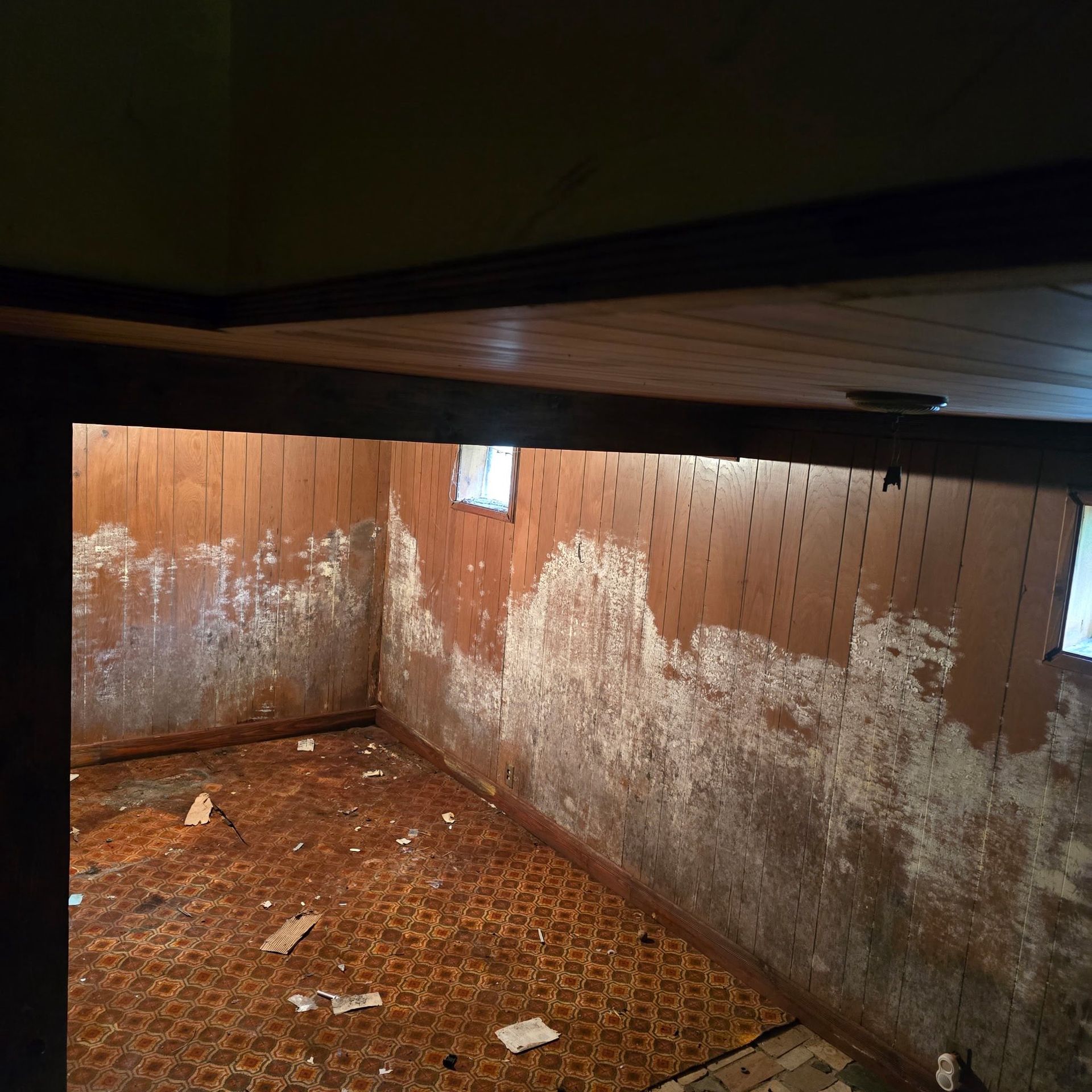
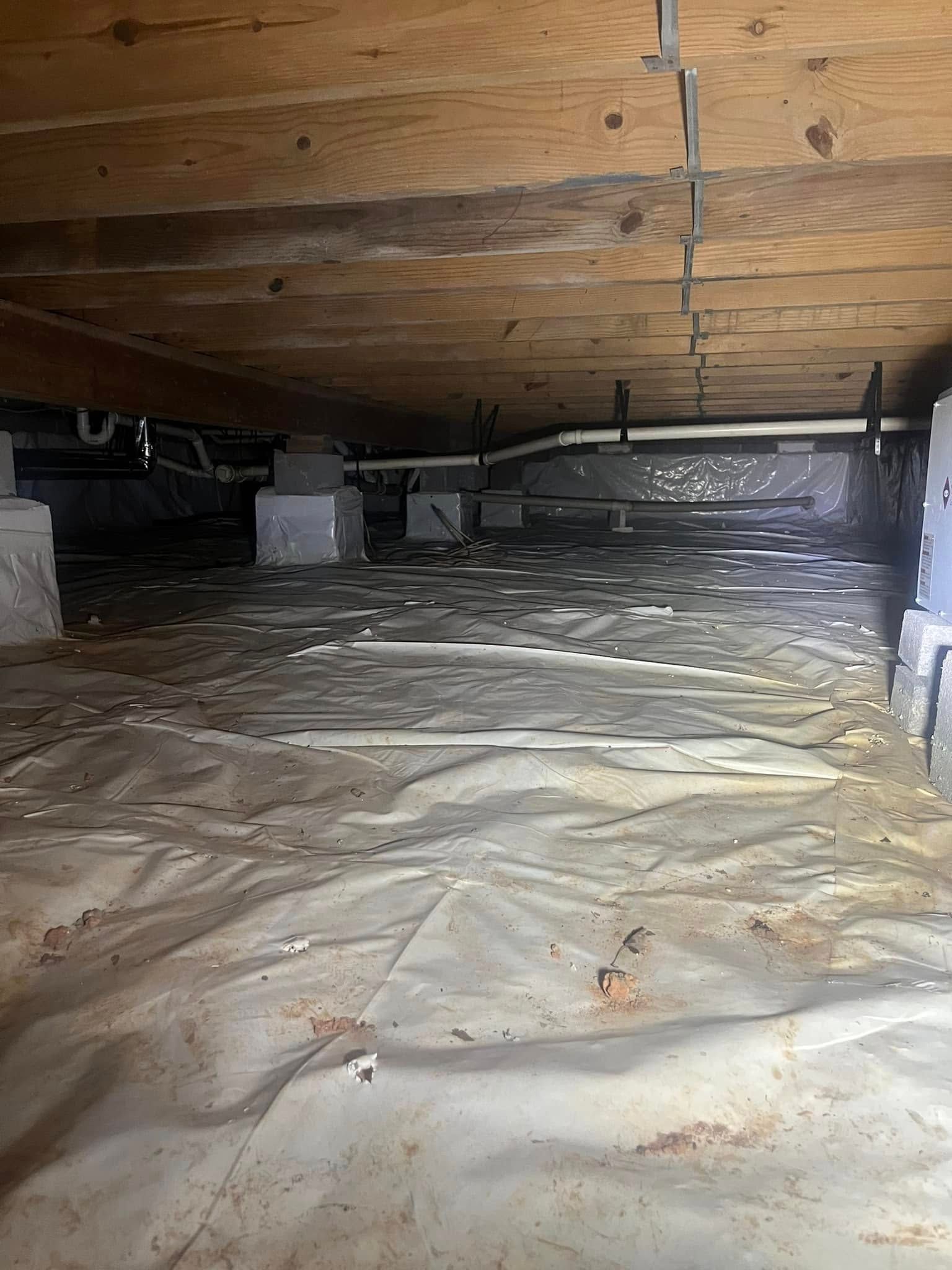
Even newer Decatur homes aren't immune. Quick development during building booms meant grading issues that are showing up now. Downspouts dump water right next to foundations. Crawl space drainage wasn't planned properly. You're dealing with water intrusion, humidity problems, and sometimes structural issues from settling. The problems are newer, but they still need professional solutions.
2000s-present
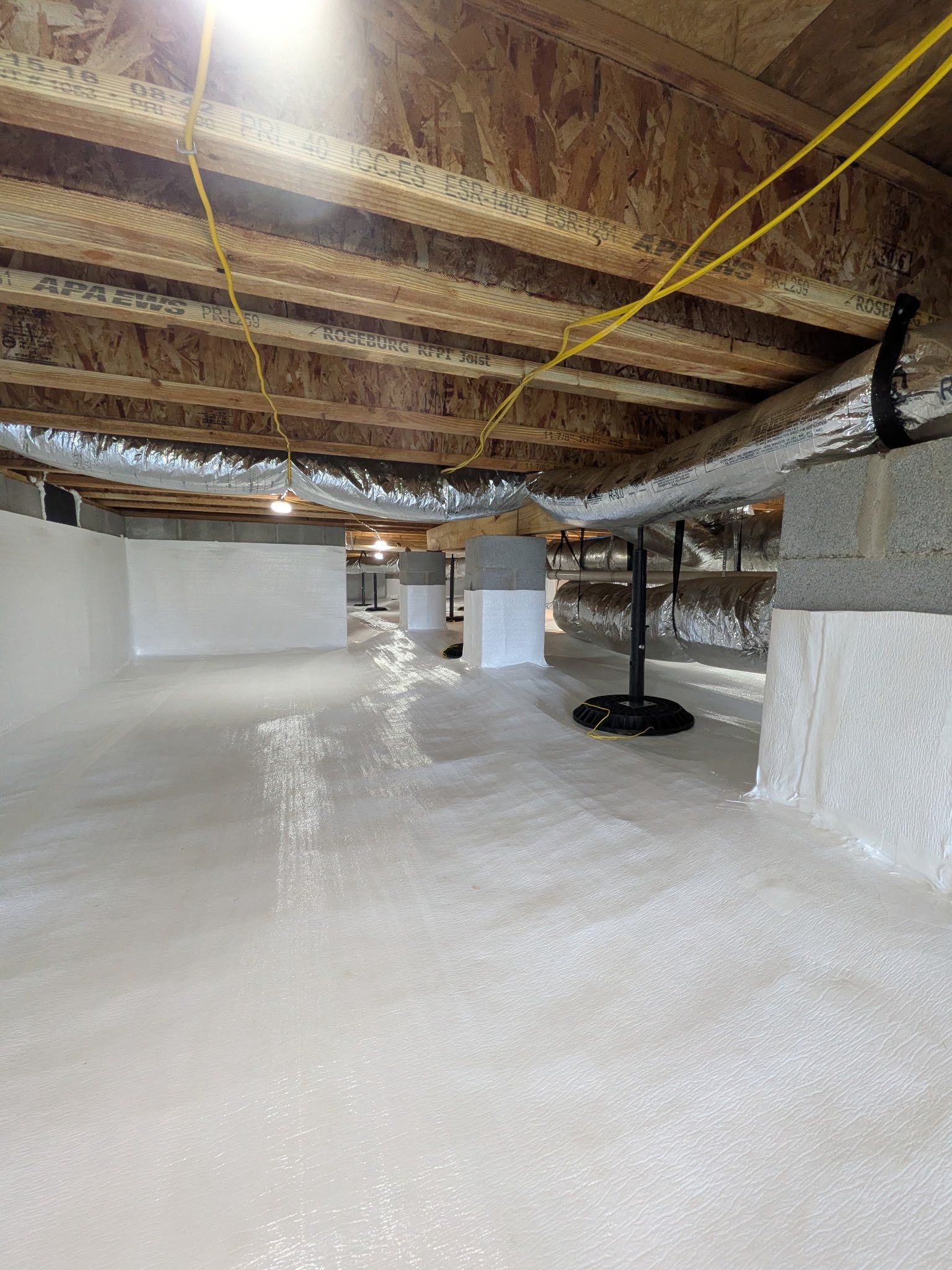
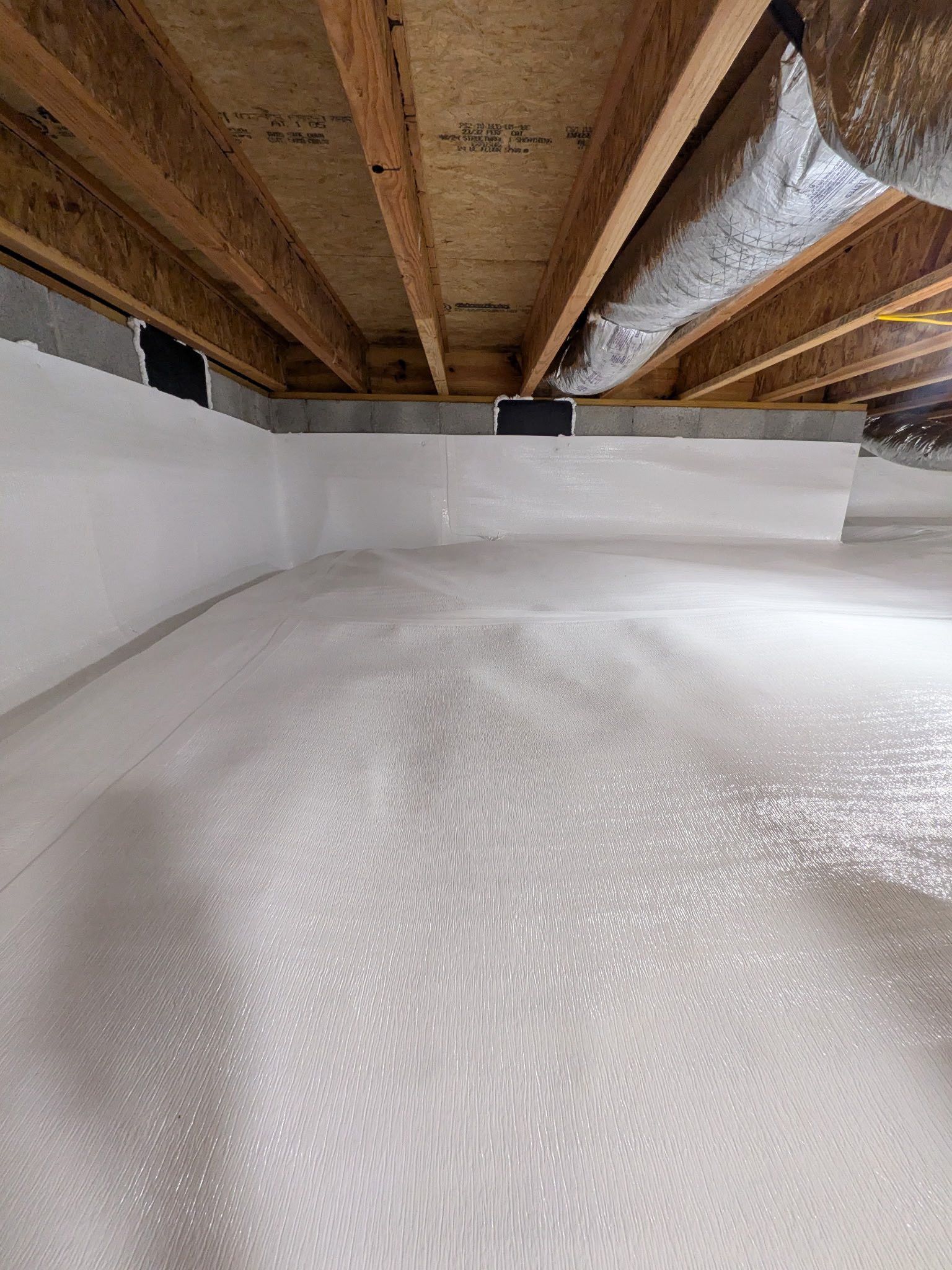
The Specific Problems You're Probably Dealing With Right Now
If You're Dealing With Standing Water
Decatur sits in a bowl. The Sangamon River and Lake Decatur create drainage patterns that push water toward lower elevations—and that often means toward your foundation. Add in Macon County's heavy clay soil that doesn't drain well, and you've got water that has nowhere to go except into your crawl space.
Spring is the worst. Snowmelt combines with rain, the water table rises, and crawl spaces flood. Even homes that stay dry most of the year see standing water every March and April. If you're near the river or lake, you're dealing with this almost every year.
If You're Dealing With Musty Smells
That smell isn't going away because the root cause is still there. Decatur's proximity to water means higher humidity year-round. Most homes built before 1980 don't have vapor barriers—it wasn't standard practice back then. Without a barrier, ground moisture evaporates up into your crawl space constantly.
Running a dehumidifier might help temporarily, but you're fighting a losing battle if you haven't sealed the moisture source. The humidity comes from the ground, and it's never going to stop on its own.
If Your Floors Are Sagging
This is epidemic in older Decatur homes, especially on the east side and near downtown. During the post-WWII building boom, contractors used 2x8 floor joists spanning 13 to 15 feet. That was never adequate for the load—kitchens, bathrooms, appliances, people walking around.
Add in decades of Decatur's soil settling and shifting, plus moisture weakening the wood, and you end up with floors that bounce when you walk across them. Dishes rattle in the cabinets. You've got squeaks that won't quit. It's not your imagination—your floor structure is failing.
What to Expect When You Call
When You Call
Chris or I answer personally. We ask about your symptoms and concerns—what you're noticing, how long it's been going on. Then we schedule an air quality assessment at a time that works for you.
The Inspection
I spend one to two hours in your crawl space doing a complete assessment. You can watch via video stream if you want to see what I'm seeing in real-time. I find every problem, not just the obvious one.
Same-day Findings
We sit down that same day. I show you photos and video of everything I found. I explain what's wrong and WHY it's happening. You'll actually understand what's going on under your house—no confusion, no technical jargon you can't follow.
The Solution
We build it together based on your goals. If this is your forever home, we focus on long-term health and prevention. Selling soon? We prioritize what matters for inspection reports. You help me decide what makes sense for your situation and timeline.
The Work
We show up on schedule. We work consecutively until the job is 100% complete—no disappearing for a week. Most crawl space jobs take two to four days. We document everything. When we're done, we do a complete walkthrough so you see the finished work.
After Installation
We schedule six-month and one-year follow-ups to make sure everything's working right. You have our direct number. When you call, you get Chris or me—not a call center.
What to Watch For Before It Gets Worse
Musty Smells
If it's worse after rain, that's moisture cycling in and out. Worse in summer? Your crawl space humidity is the source. If it never fully goes away, you've got a constant moisture problem.
Floor Changes
New squeaks mean movement in your floor system. Soft spots mean water damage to your subfloor or joists. Bouncing when you walk means inadequate support. Gaps appearing between your baseboards and floor mean settling or support failure.
Standing Water
Standing water that takes days to dry. White chalky residue on foundation walls—that's efflorescence from water seeping through concrete. Condensation or "sweating" on pipes. Insulation hanging down or fallen completely.
Inside Your Home
Doors that suddenly stick or won't close right. Cracks in drywall, especially near corners. Windows harder to open than they used to be.
Why This Matters
Don't wait until you're selling—home inspections will flag these issues. Don't wait until your floor is sagging—structural repairs cost three to four times more than prevention.
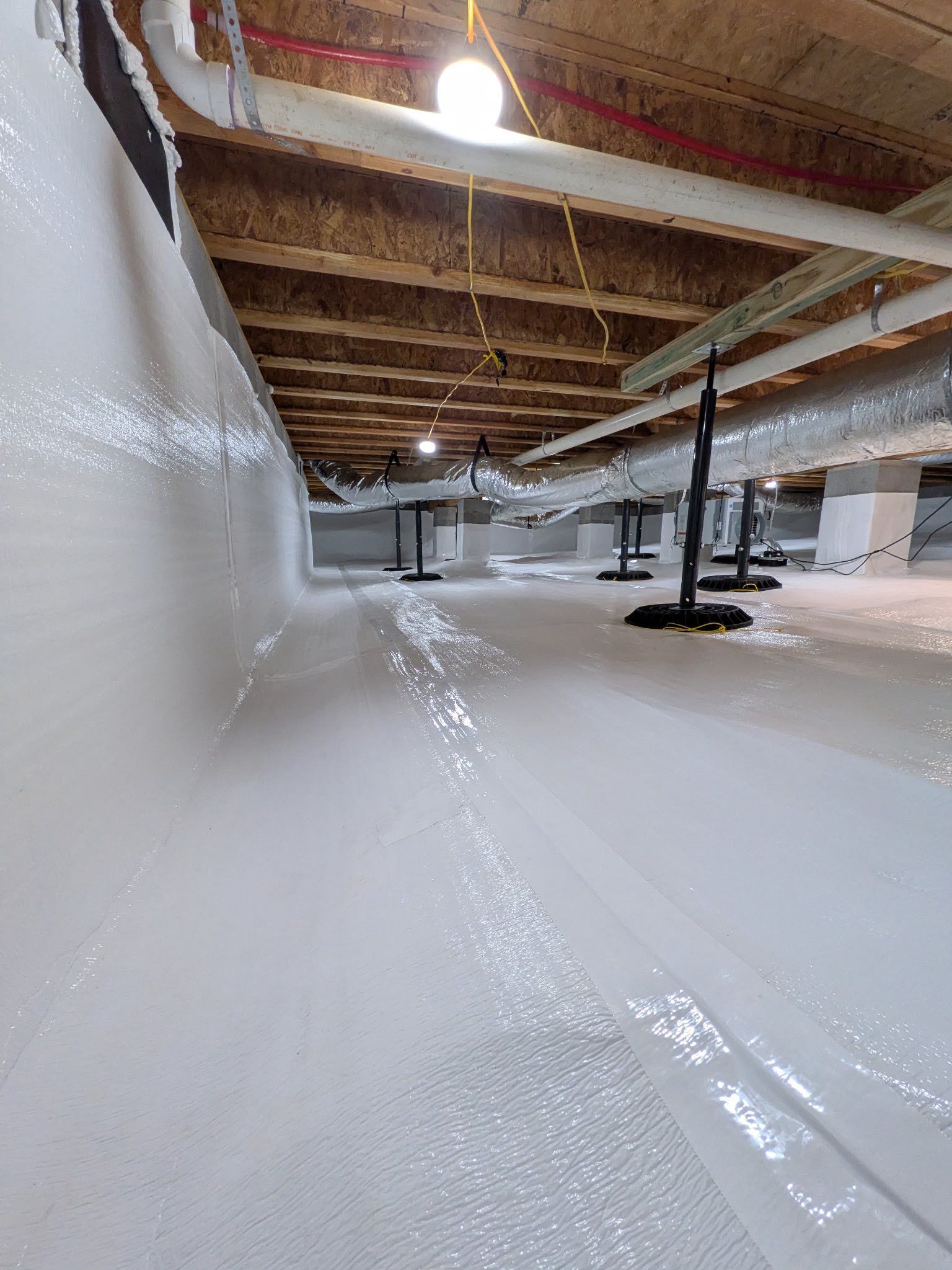
How We Actually Fix These Problems
"How much does this cost?"
It depends on what's wrong and how severe it is. We give you same-day pricing after the inspection—no waiting weeks for a quote. We're mid-range pricing—not the cheapest, not the most expensive—but quality work that lasts.
"Can I wait, or do I need to fix this now?"
Moisture problems only get worse, never better. What costs a few thousand now costs tens of thousands in two years when the structural damage compounds. If you're selling soon, inspections will flag it anyway—better to fix it on your timeline.
"Can I do part now and finish later?"
Sometimes yes—we can phase projects if budget is tight. We'll tell you what's critical right now versus what can wait. But some things have to be done together or they won't work.
"Why hire someone from Mahomet instead of local?"
Because we answer the phone and actually show up. We're crawl space specialists, not general contractors doing everything. Forty-five minutes means nothing if we're reliable and finish what we start.
"How long does it take?"
Most encapsulations take two to four days. Drainage and sump pump work takes one to three days. Structural support takes one to two days. We work consecutively—we don't leave your job and come back randomly.
Let's Figure Out What's Going On Under Your Decatur Home
Give us a call and Chris or I will answer personally. We'll ask about what you're seeing and schedule an inspection—usually within a few days.
No pressure, no sales pitch. Just honest answers about what's happening under your home and what it'll take to fix it right.
If you prefer, fill out our contact form and we'll call you back the same day.
Let's get your crawl space problem solved—the right way, permanently.