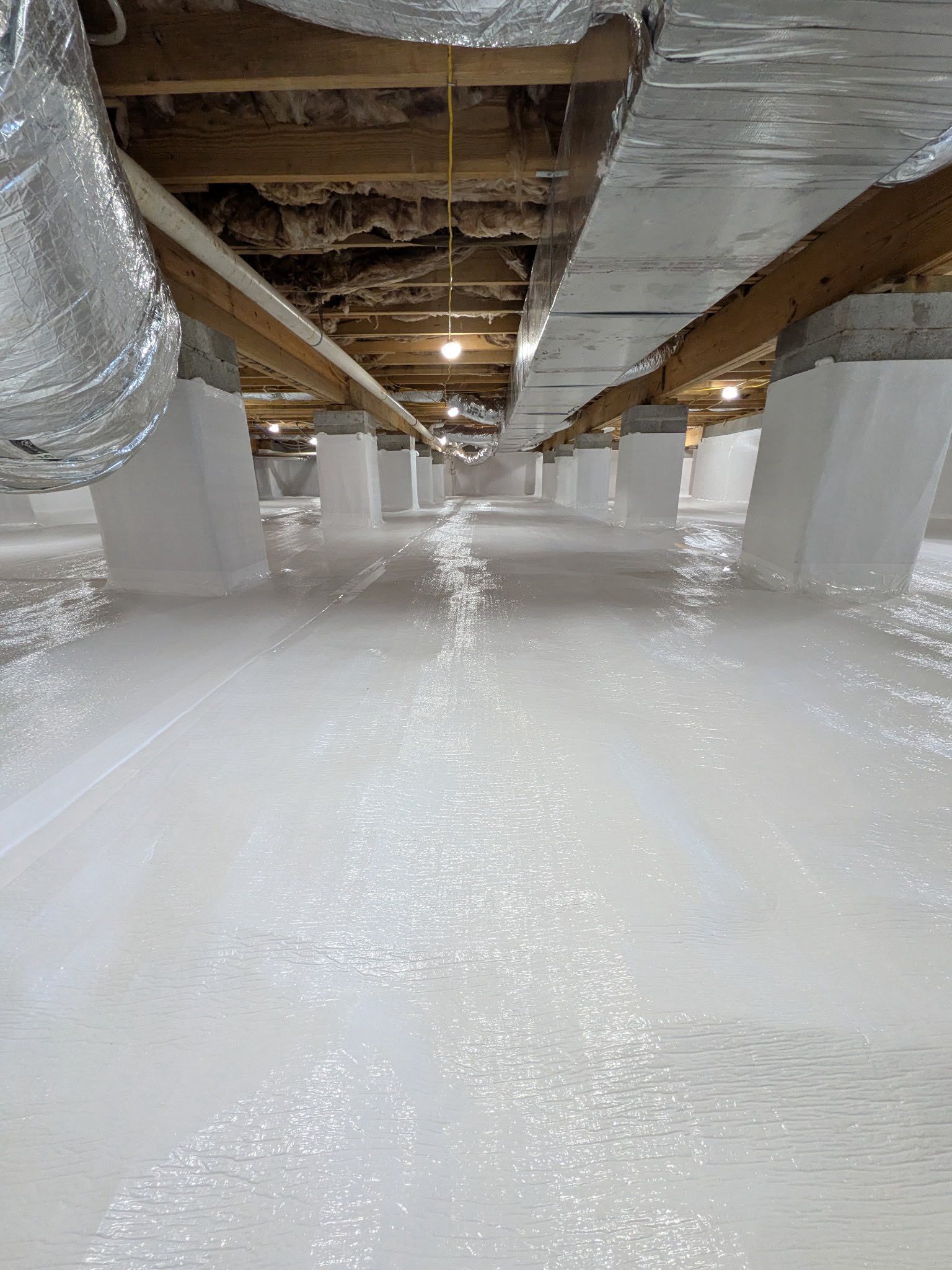
Crawl Space Problems in Macon, IL
Common Issues in Macon Homes, Why They Happen, and What Actually Fixes Them

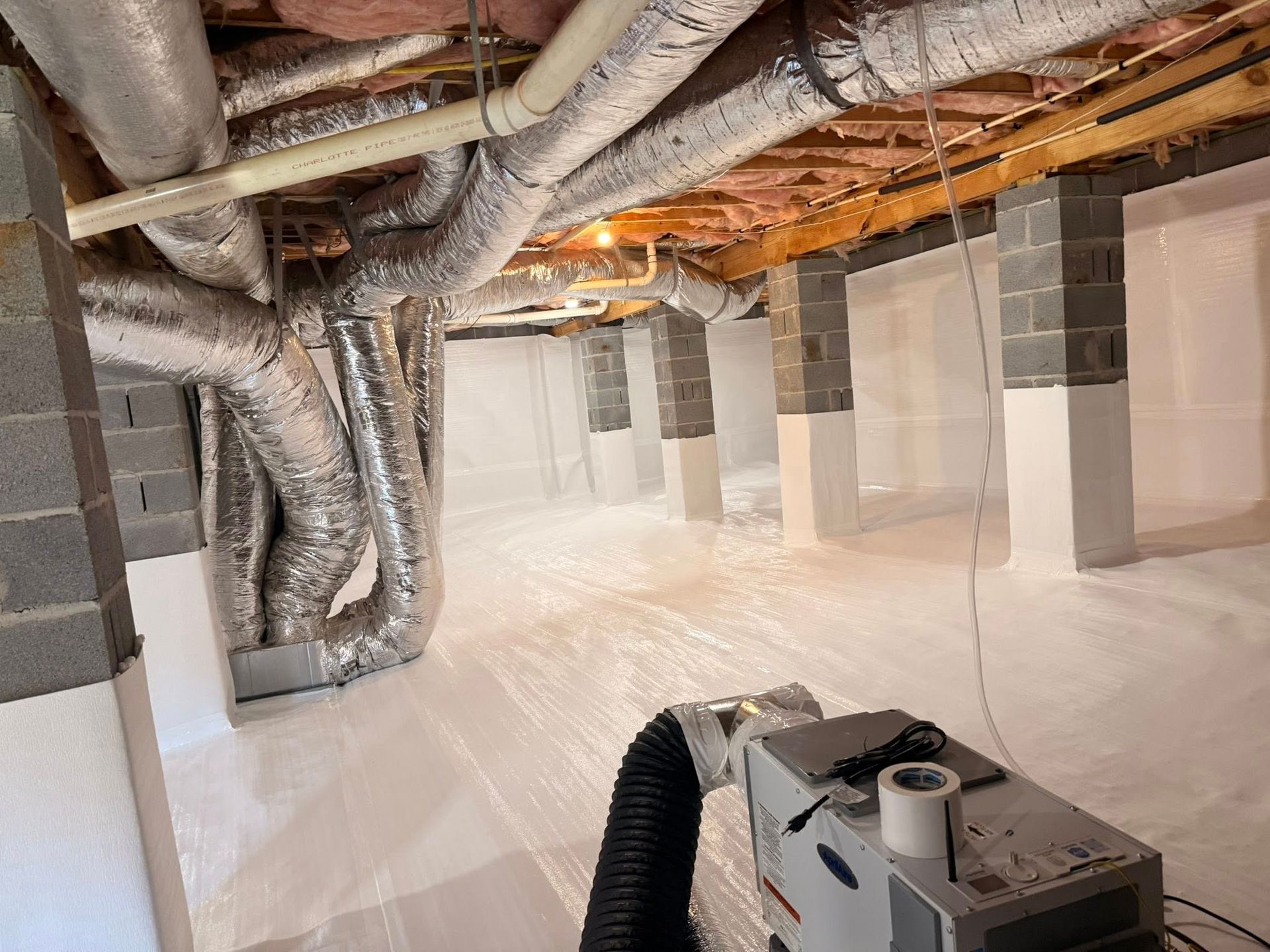
If You're Dealing With Musty Smells, Cold Floors, or Standing Water—You're Not Alone
I've been under dozens of crawl spaces in Macon over the years. We're based in Mahomet, about 20 minutes north, and Macon is part of our regular route. The problems I see there are consistent—and they're fixable.
You probably know something's wrong under your house. Maybe it's that musty smell that won't go away, or your floors are freezing in winter, or you've seen standing water down there. You're just not sure what's actually causing it or how bad it really is.
Here's what I typically find in Macon crawl spaces—and what you can do about it.
Why Crawl Space Air Quality Matters
My wife has an autoimmune disease. After her diagnosis, I began focusing on indoor air quality because the conditions inside a home directly affect health.
One statistic stood out: up to 50% of the air inside a house can come from the crawl space. If mold, moisture, or mildew builds up underneath the home, it can circulate through the air your family breathes. I fixed our crawl space for that reason.
My background helps me approach these problems differently. I worked in HVAC, then foundation repair, before starting My Guys. That experience helps me spot issues others miss.
Recently, I found an AC condensate line draining into a crawl space after two companies failed to identify the source of the moisture.
During inspections, I evaluate everything—HVAC, plumbing, drainage, and structure—to find the real cause and fix it.
What's Actually Causing Your Crawl Space Issues
Soil Under
Macon Homes
Brutal Weather
These are the beautiful older homes in downtown Mattoon. Stone or brick foundations. Character and craftsmanship you don't see in newer homes. But crawl spaces were an afterthought. Most have crawl spaces that are barely crawlable—maybe 18 to 24 inches of clearance. Access is usually through a small hatch inside the house.
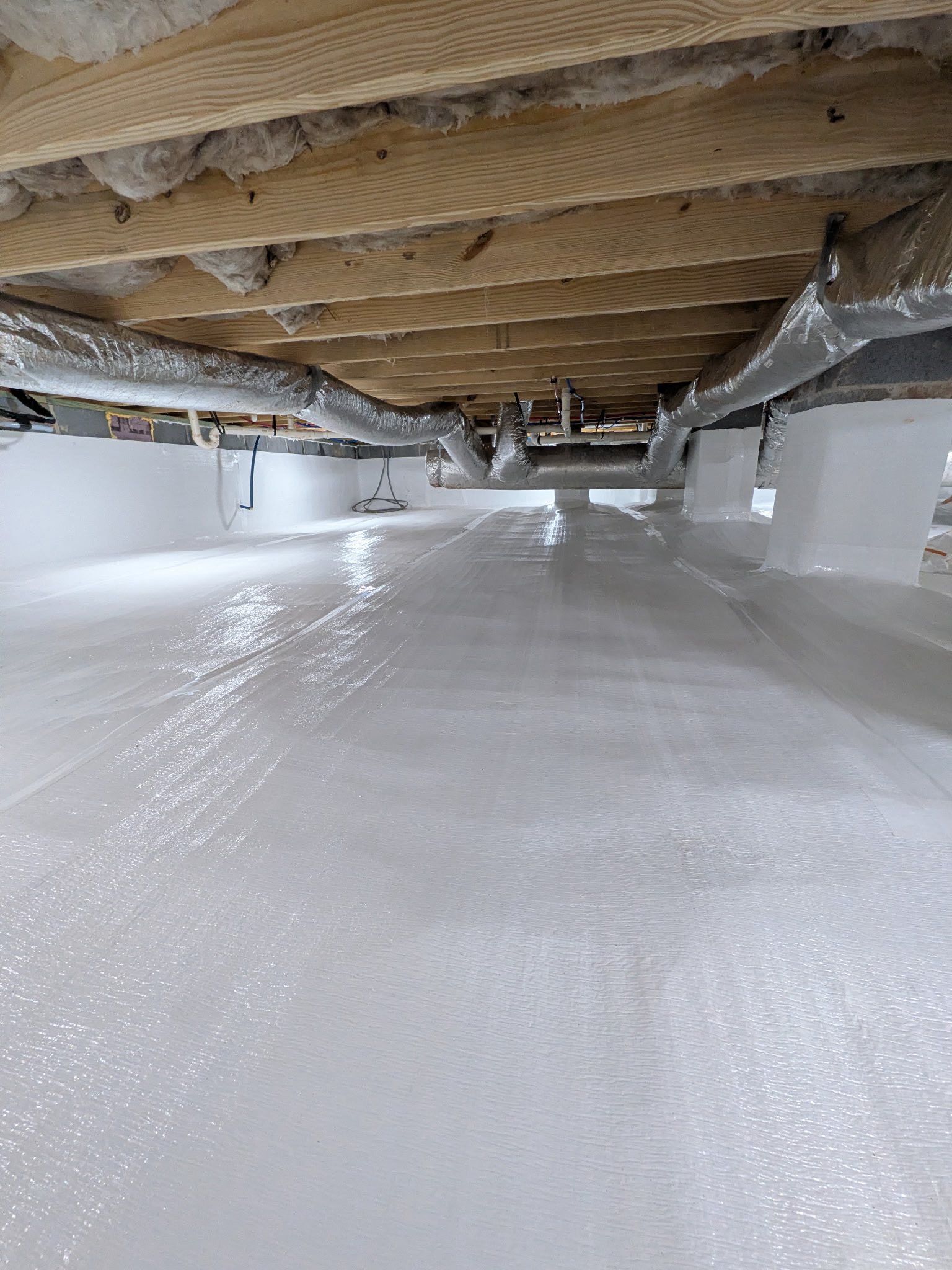
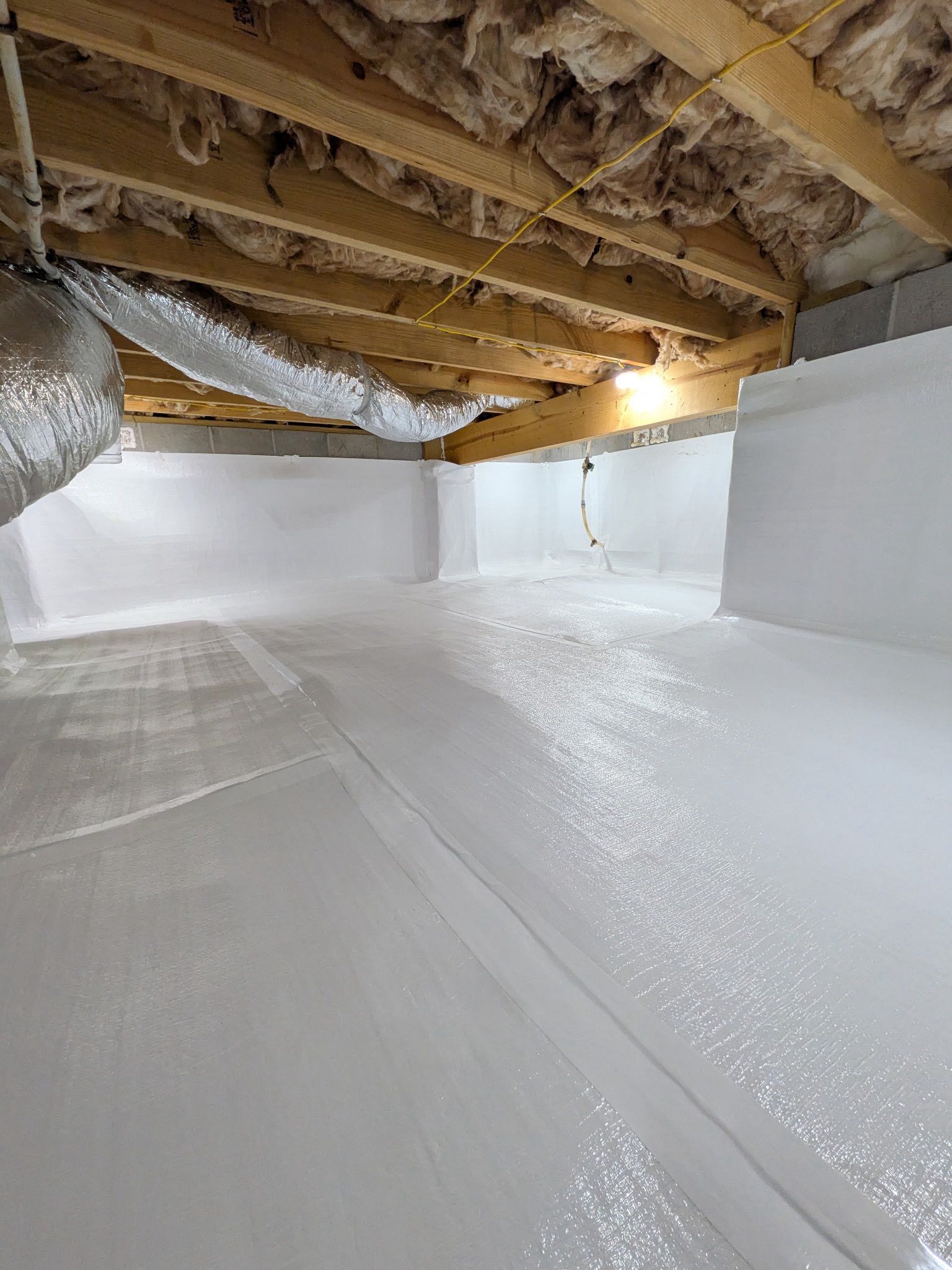
Here's what I always find: no vapor barrier at all. Just bare dirt. Ground moisture constantly evaporates up into your floor joists. That's where the mold comes from—and that musty smell you can't get rid of.
Your floors are cold in winter because there's no insulation. Or if there is, it's old fiberglass that's falling down and doing nothing.
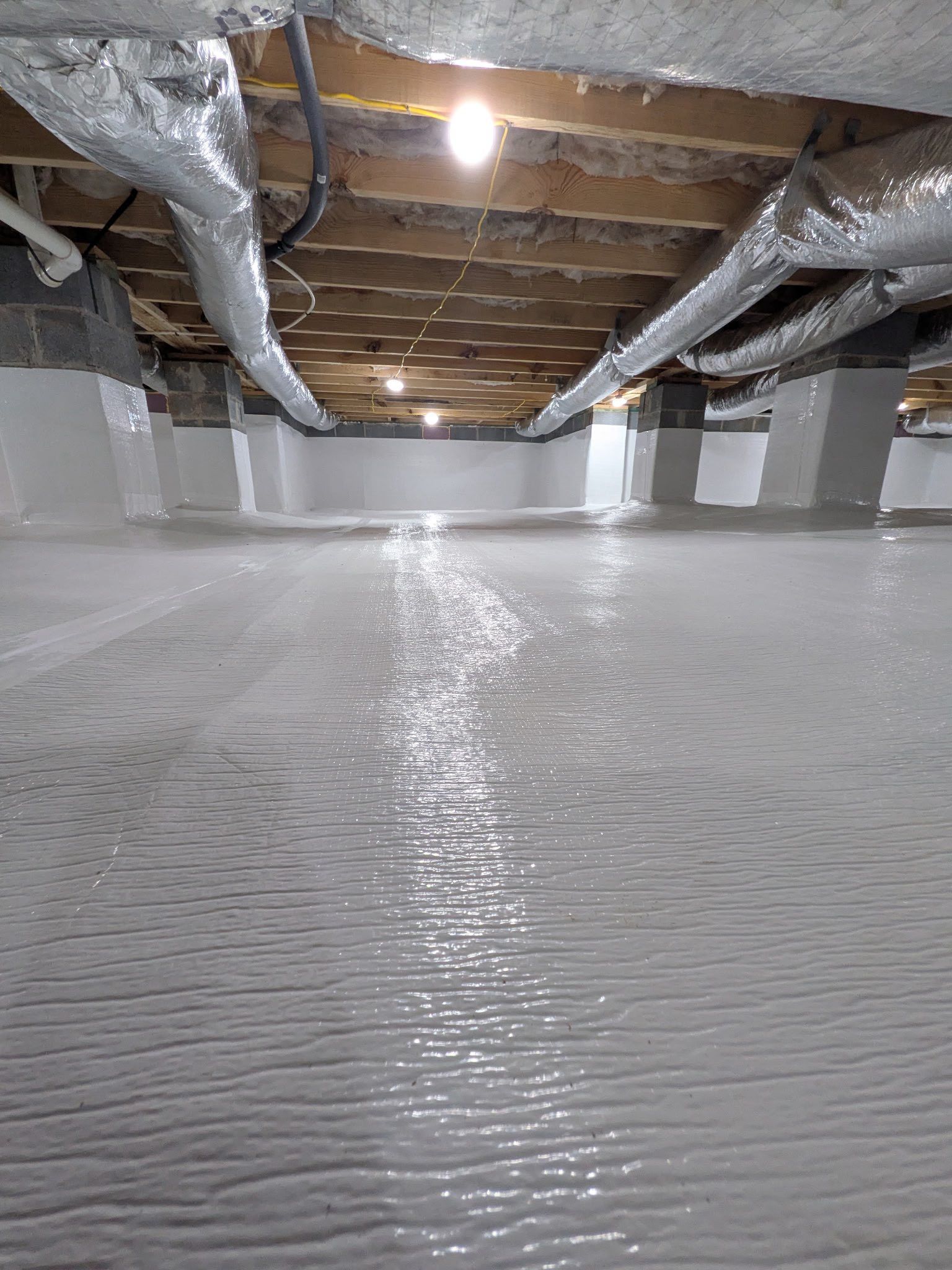
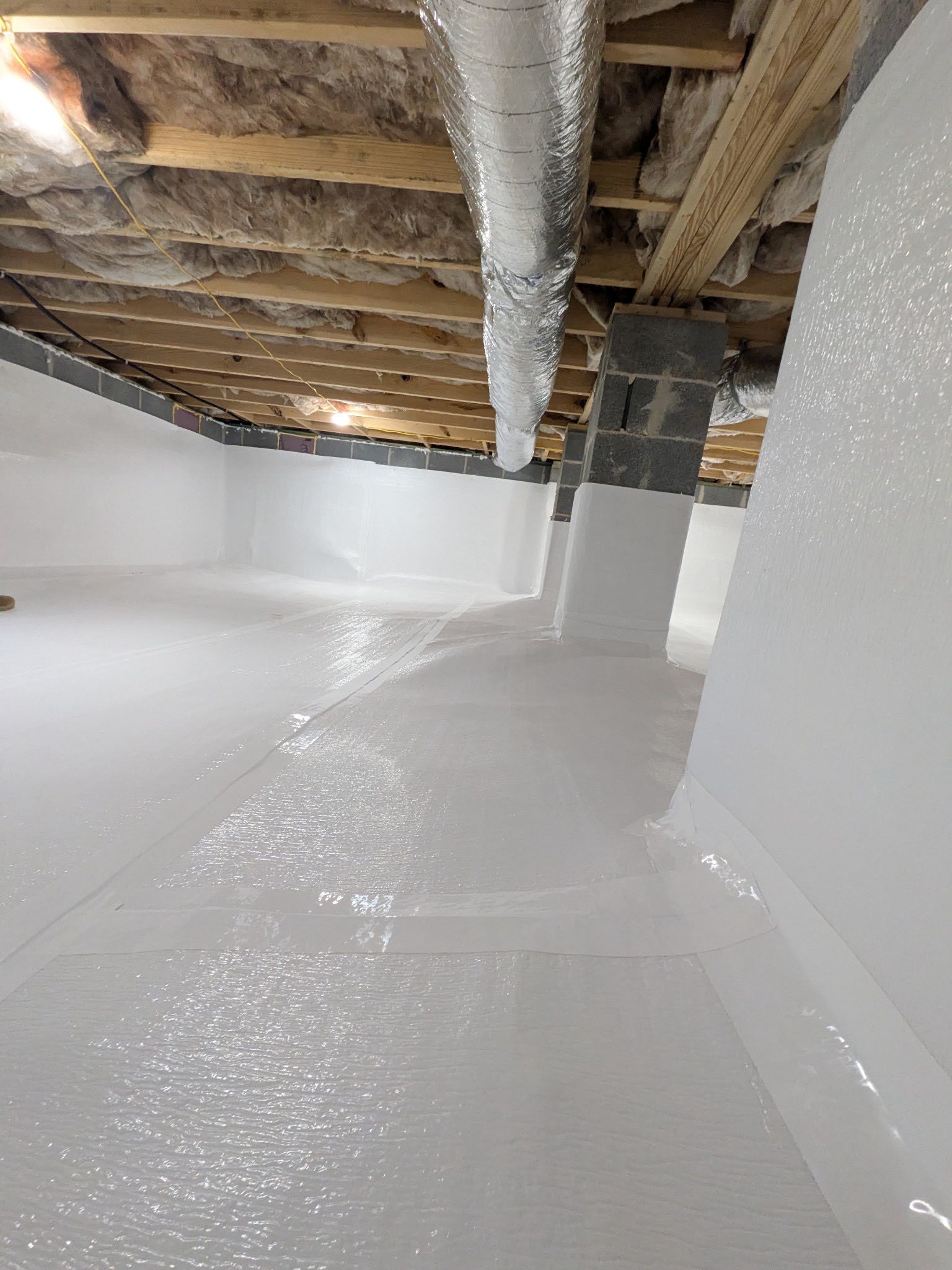
These homes weren't built wrong for their time—they just weren't built with what we now know about crawl space health. The good news? These problems are fixable. Drainage if there's standing water. A heavy-duty vapor barrier that's actually sealed and secured. A dehumidifier to control humidity year-round. Sometimes structural support if joists have sagged.
The Soil Under Macon Doesn't Drain
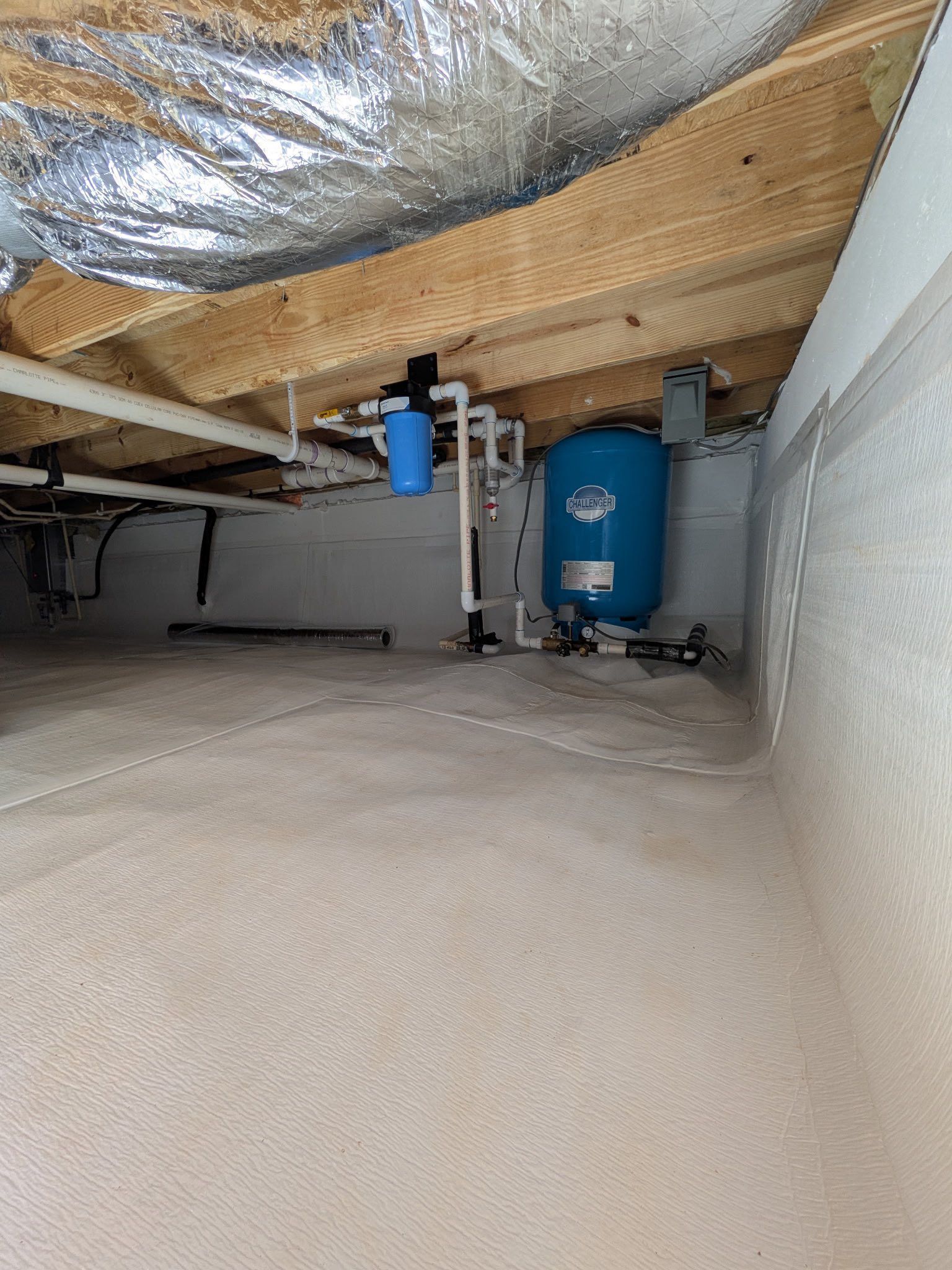
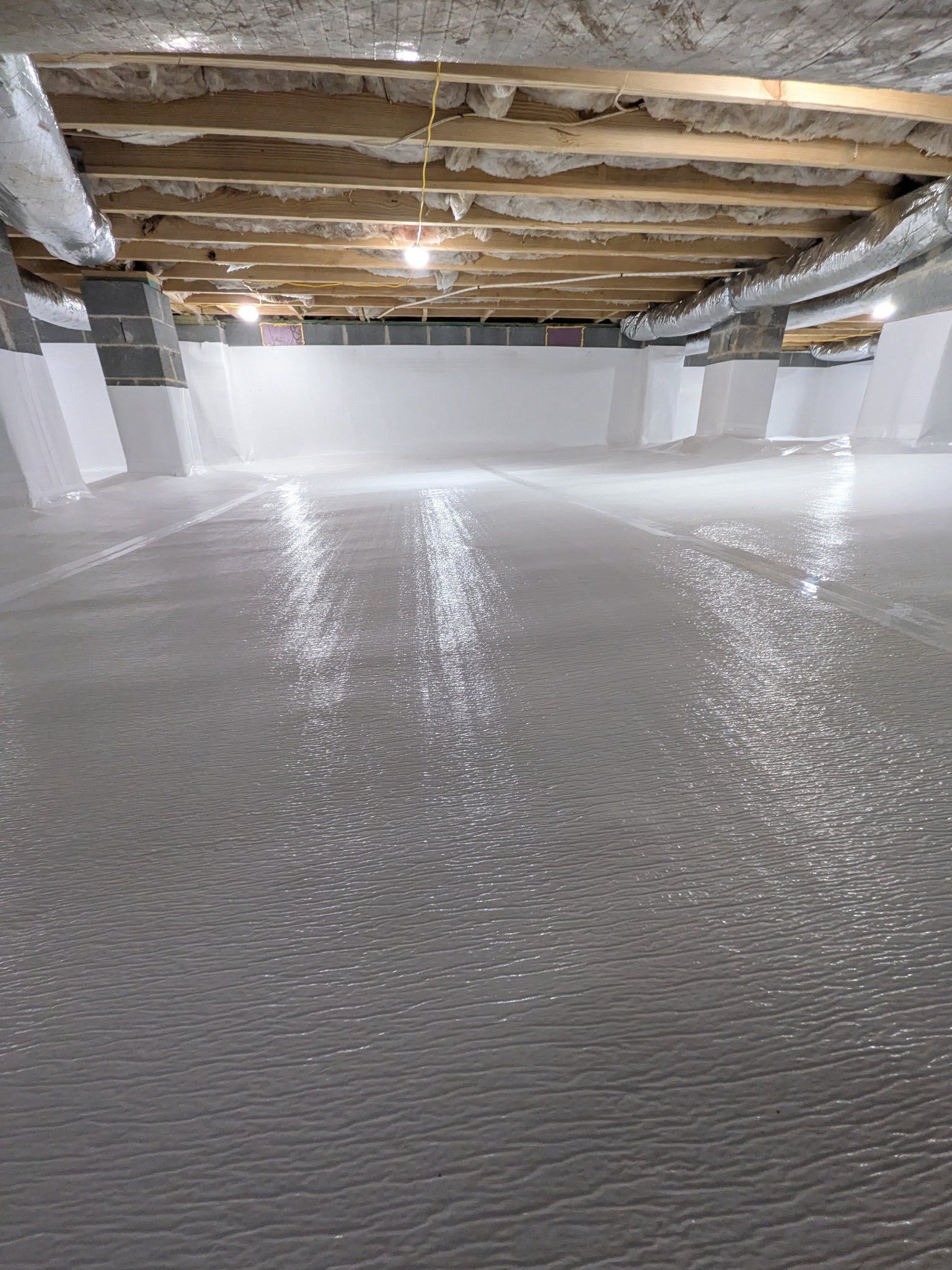
A lot of Macon homes went up in the 1960s, 70s, and 80s. Back then, builders thought crawl space vents helped with moisture control. We know now that vents actually make the problem worse—they let in humid summer air that condenses on everything.
Those homes also typically have 2x8 floor joists spanning 13 feet or more. That's just not enough support for a kitchen or bathroom with cabinets, appliances, and people walking around. That's why your floor bounces when you walk across it.
Most homes from that era had minimal vapor barriers—or no vapor barrier at all. There's nothing stopping ground moisture from evaporating up into your crawl space.
The result? Moisture getting in from multiple sources. Undersized floor support causing sagging and squeaking. And no protection against the humidity coming up from the ground.
Most Macon Homes Were Built When We Didn't Know Better
Spring is the worst season for Macon crawl spaces. Snowmelt plus spring rain equals water under your house. I get more calls from Macon homeowners in March and April than any other time of year. That's when people finally notice the standing water or the smell becomes unbearable.
Summer brings its own problems. When you've got 80% humidity outside and your crawl space has open vents, that humid air comes right in. It hits the cooler surfaces in your crawl space and condenses. More moisture, more mold, worse smell.
Winter means cold floors and high energy bills. When your rim joists—where your foundation meets your floor system—aren't insulated, you're basically living on top of an icebox. Your furnace runs constantly trying to heat air that's escaping through your crawl space.
Central Illinois Weather is Brutal on Crawl Spaces
The Specific Problems You're Probably Dealing With Right Now
The Musty Smell That Won't Go Away
That smell is mold and mildew growing on your floor joists. High humidity plus wood plus darkness equals mold. And here's the part that should concern you: about 50% of the air in your home comes up from your crawl space. You're breathing those mold spores upstairs every single day.
Air fresheners don't fix it—they just cover it up temporarily. Bleach doesn't work on porous wood. The mold comes right back if you don't fix the moisture problem.
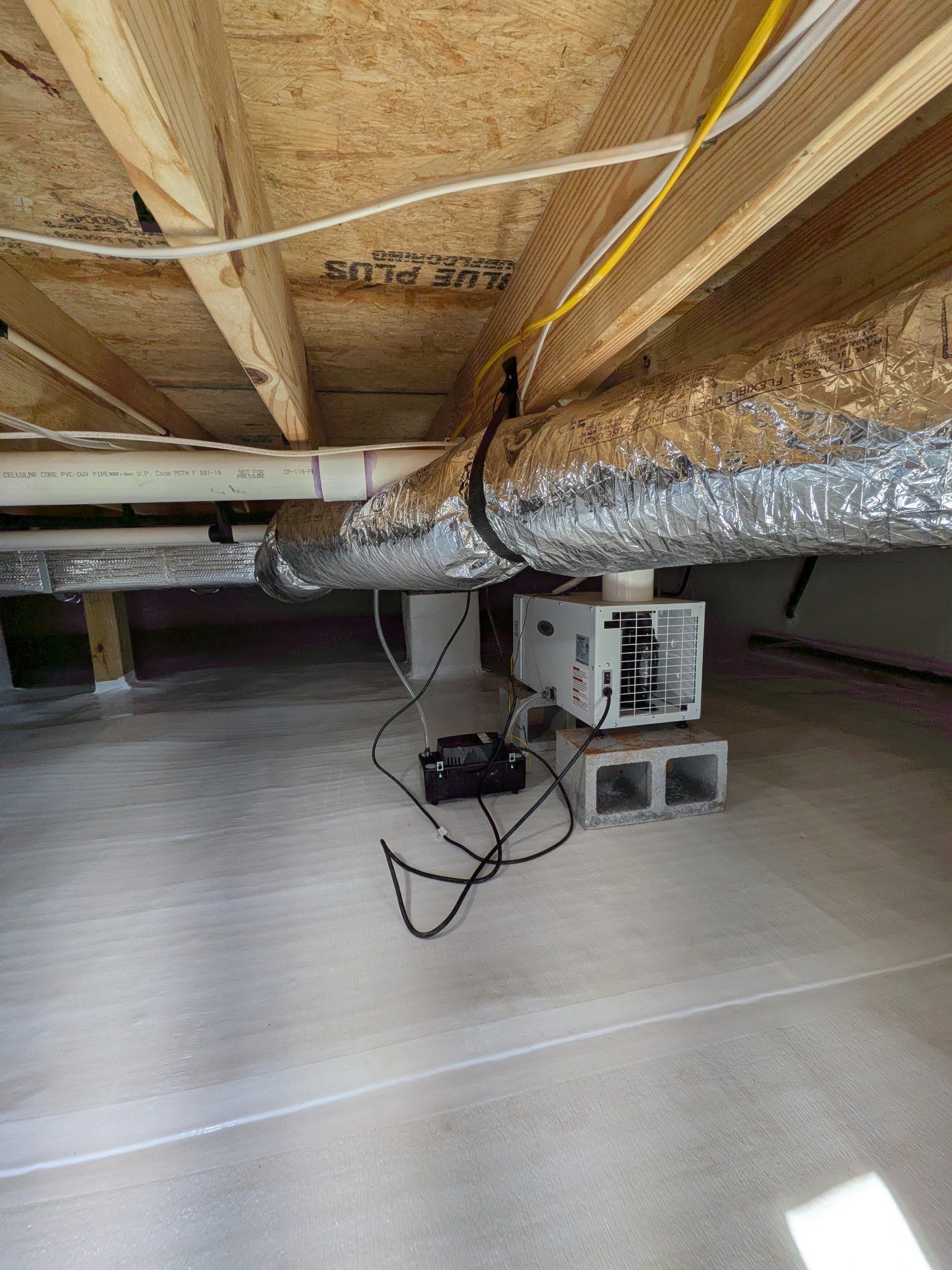
What actually fixes it? You need to control the humidity with a commercial-grade dehumidifier. Seal the crawl space so humid outside air can't get in anymore. And sometimes you need drainage systems to deal with ground water that's seeping in.
Cold Floors in Winter / High Energy Bills
Your floors are freezing because your rim joists aren't insulated. That's the wood where your foundation meets your floor system—and it's a massive source of heat loss. Open crawl space vents make it even worse by letting in freezing air all winter long.
Your furnace is working overtime trying to heat air that's escaping right through your crawl space. I've seen homeowners cut their energy bills by 15-20% just by properly insulating and sealing their crawl space.
What actually fixes it? Spray foam insulation on those rim joists. Seal the vents so you're not heating the outdoors. Create a controlled environment under your house instead of letting it connect to outside air.
Bouncy, Sagging, or Squeaky Floors
This is usually undersized floor joists. Like I mentioned earlier, those 2x8s spanning 13 or 14 feet in 1970s Macon homes just can't handle the load. Sometimes it's also moisture damage that's weakened the wood over time.
The stress on your floor system keeps building. Eventually you're dealing with cracked drywall upstairs, doors that stick, and real structural problems.
What actually fixes it? Properly sized supplemental beams—usually a two-ply 2x10 or 2x12. Commercial-grade adjustable support posts, not the basic jacks you'd get at a hardware store. And you need to address the moisture problem so the wood doesn't keep deteriorating.
Standing Water or Constant Dampness
This is usually poor lot grading directing water straight toward your foundation instead of away from it. You've also got no drainage system to move that water away once it gets there. In lower areas of Macon, you're dealing with a higher water table on top of everything else.
Ignoring standing water gets expensive fast. Wood rot in your floor joists can cost $15,000 or more to fix if it goes too long. You're also creating perfect conditions for termites, which love moisture-damaged wood.
What actually fixes it? Interior French drain systems that collect water before it pools. A sump pump with battery backup so it works even when the power goes out during storms. Fix the grading outside so water flows away from your house instead of toward it. And seal your foundation with proper vapor barriers.
What to Expect When You Call
When You Call
Chris or I answer personally. We ask about your symptoms and concerns—what you're noticing, how long it's been going on. Then we schedule an air quality assessment at a time that works for you.
The Assessment Visit
We test your crawl space air quality, which takes about an hour. We inspect for moisture, mold, and ventilation issues. We review what we found the same day with actual data and photos. Then we recommend solutions based on what the testing shows—it might be air purification, or it might be other fixes you need first. No pressure, just honest answers about what you actually need.
The Installation
Most installations take one day. We do clean, professional work. We test the full system when we're done and verify it's working right. We show you how to maintain it—it's minimal effort, nothing complicated.
After Installation
We do follow-up air quality testing. We show you the improvement in actual measurable terms. We're available anytime if you have questions. We check in annually to make sure everything's still working the way it should.
Why Mahomet Homeowners Choose My Guys
We're Close and We're There All the Time
Mahomet to Macon is a straight shot—about 20 minutes. We're there multiple times a month working on crawl spaces. We're actually closer than most Decatur companies, and we can usually do same-day or next-day assessments when you need us.
We Actually Know Macon Homes
I've been under dozens of Macon crawl spaces. I know how your soil behaves. I know what homes from different eras are dealing with. I can usually predict what I'll find based on when your house was built and where it sits.
We're Not a Corporate Company
Chris and I grew up in Mahomet. We started this business to serve Central Illinois homeowners—people like us. When you call, you're talking to Chris or me directly, not a call center. We answer our phone. We show up when we say we will. We work consecutively until your job is done—we don't disappear for two weeks and come back.
Our Values Guide Our Work
Our faith guides how we treat people, which means you come before our profit. If you don't need something, we won't sell it to you. We do video-documented inspections—you can even watch live on a screen if you want. We take photos throughout the entire process. Complete transparency, no pressure, just honest answers about what's happening under your home.
How We Actually Fix These Problems
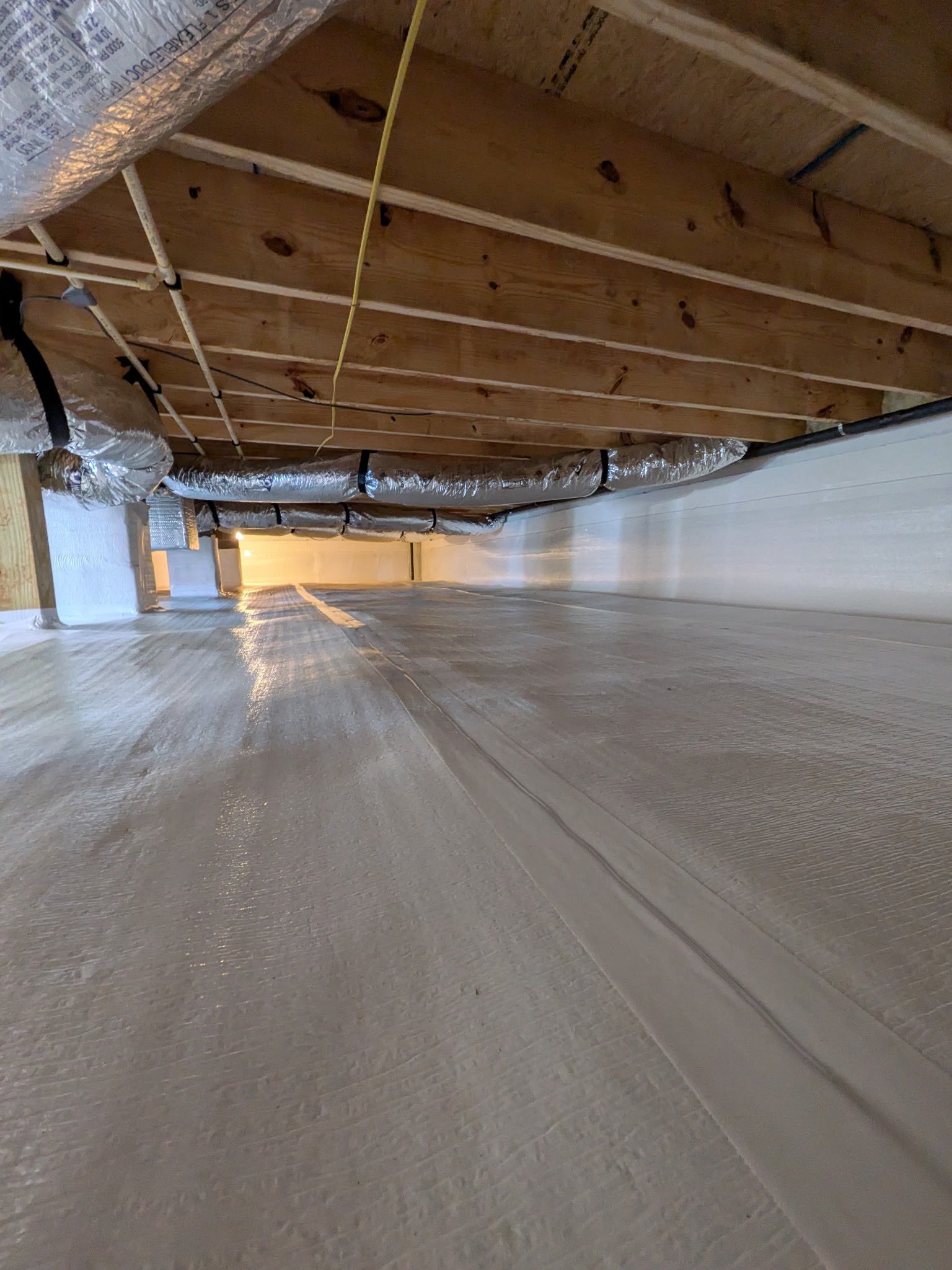
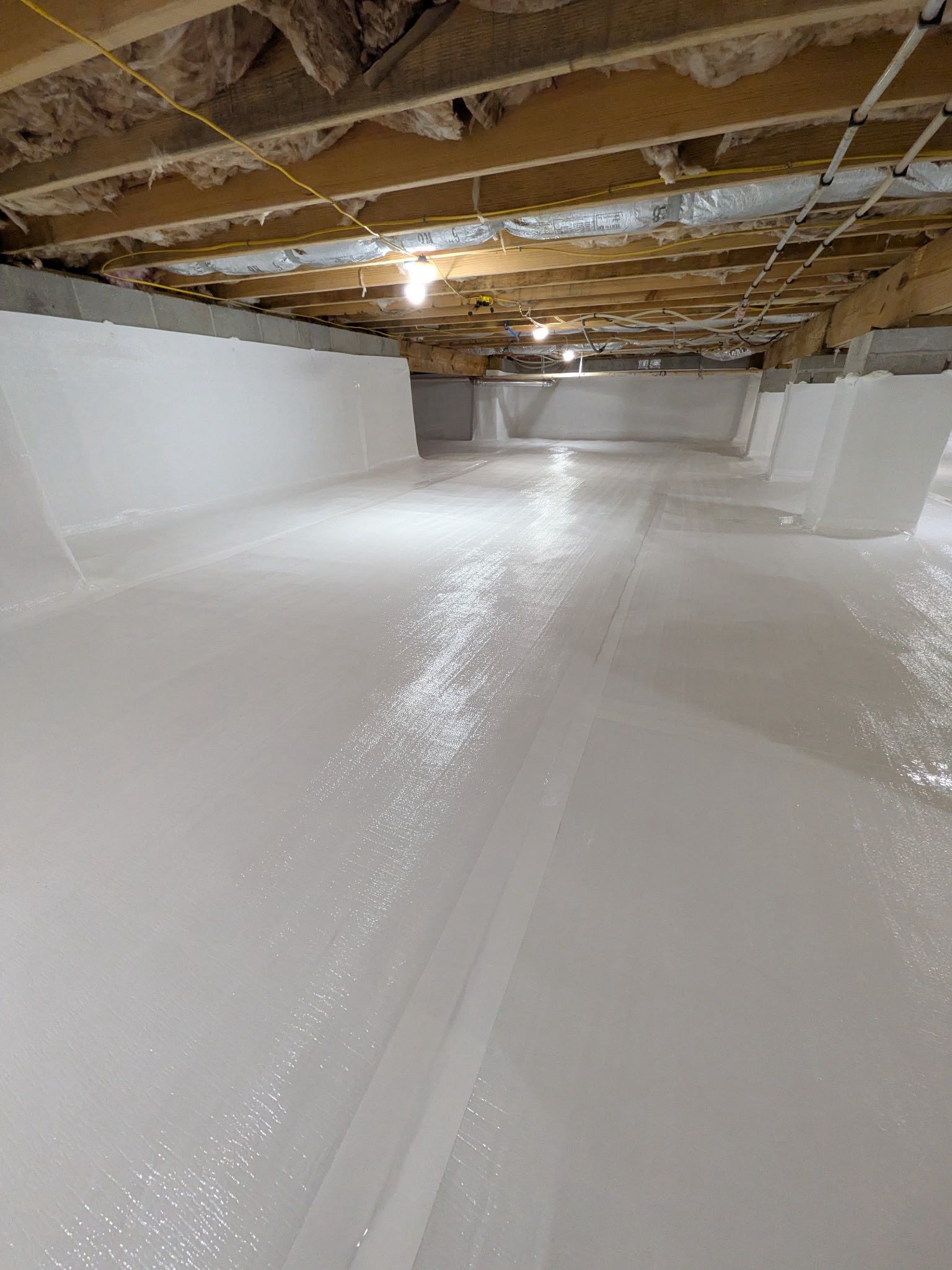
For moisture and smell problems, we find the source first. Is it drainage? Plumbing? Groundwater? Then we install what you actually need—drainage systems, vapor barriers, seal the vents, add a dehumidifier. The result is a crawl space that stays dry and air quality that improves throughout your whole house.
For cold floors and high energy bills, we install spray foam insulation on your rim joists and seal the crawl space. Your floors get warmer and your energy bills typically drop 15-20%.
For bouncy or sagging floors, we install properly sized supplemental beams and commercial-grade adjustable support posts. Your floors become solid and stable again.
For standing water, we install French drains and a sump pump with battery backup. We fix the grading outside if needed. The result is a crawl space that stays dry even after heavy rain.
And if we find plumbing leaks, HVAC condensate problems, or electrical issues while we're down there—we handle those too. We do handyman work throughout Central Illinois.
Ready to Figure Out What's Wrong Under Your Home?
Call us - Chris or I will answer personally. Or fill out the form below and we'll call you back within a few hours.
We'll schedule an inspection, figure out what's actually wrong, and give you same-day recommendations. No pressure, just honest answers about what's happening and what it'll take to fix it.
Crawl space problems don't fix themselves. They get worse and more expensive the longer you wait. We serve Macon and all of Central Illinois from our Mahomet base—let's get this taken care of.