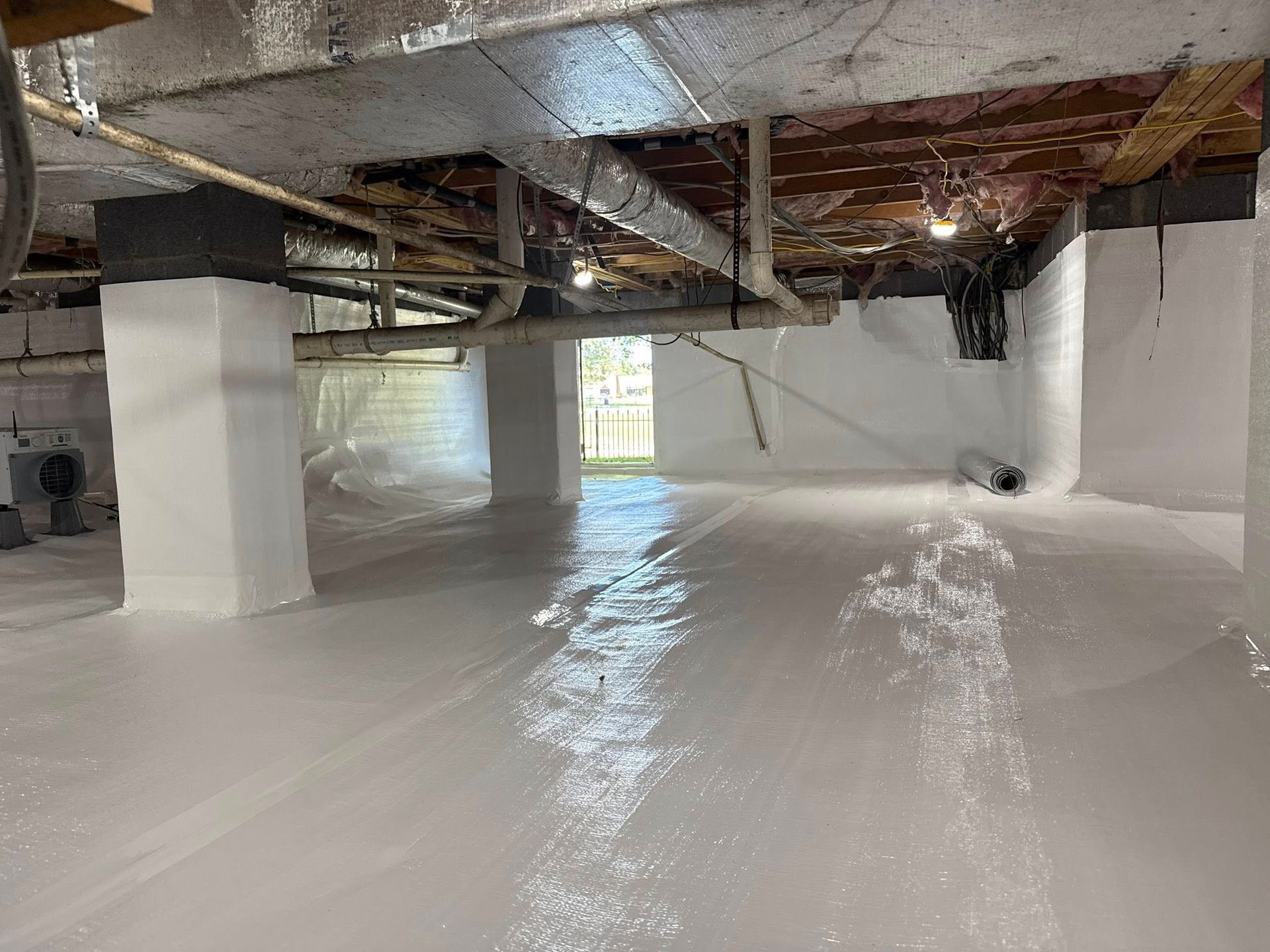
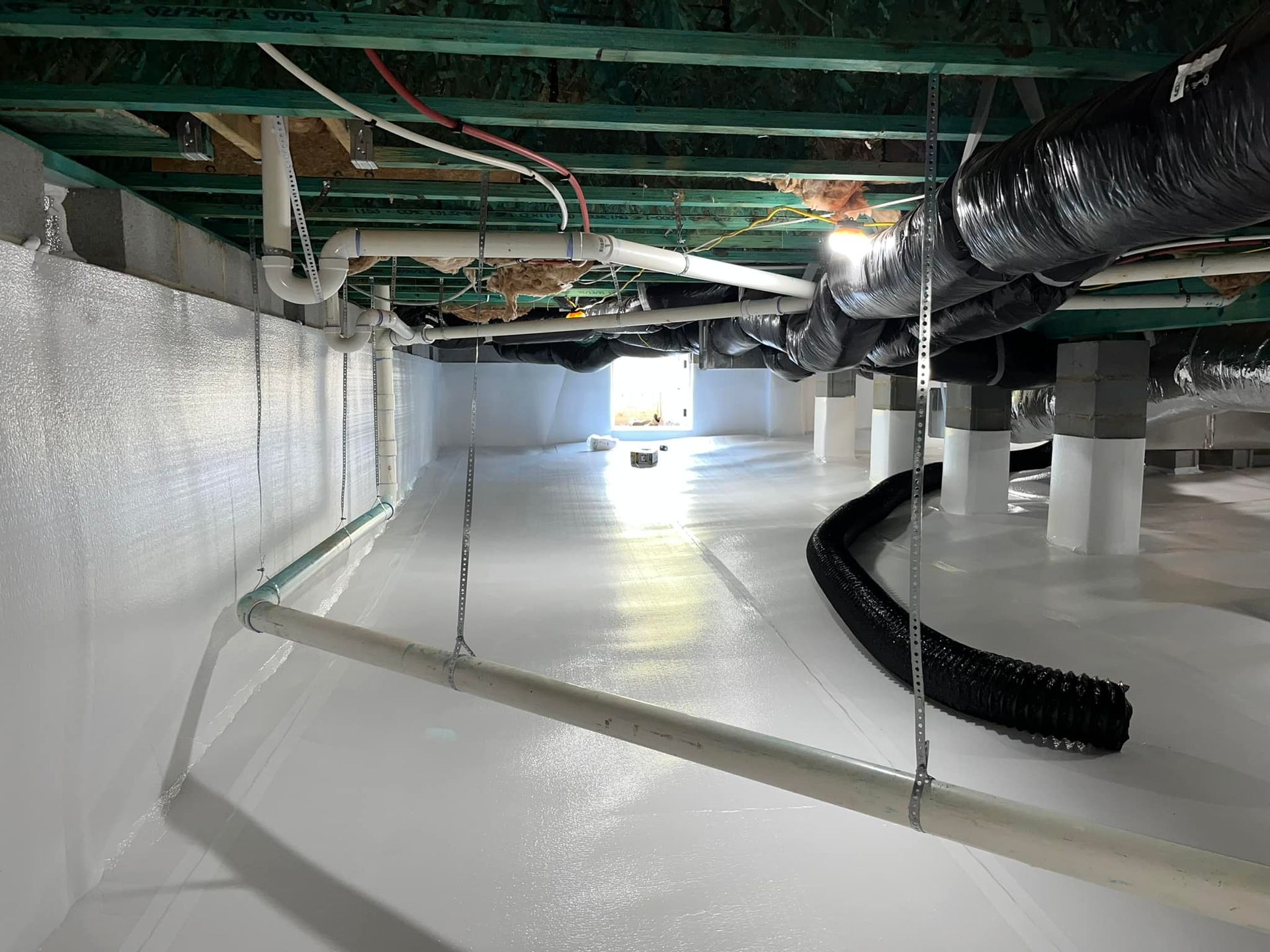
Crawl Space Structural Support in Mahomet, IL
Fix Sagging, Bouncy, and Squeaky Floors with Professional Floor Support Systems from My Guys CRAWL SPACE ENCAPSULATION & REPAIR

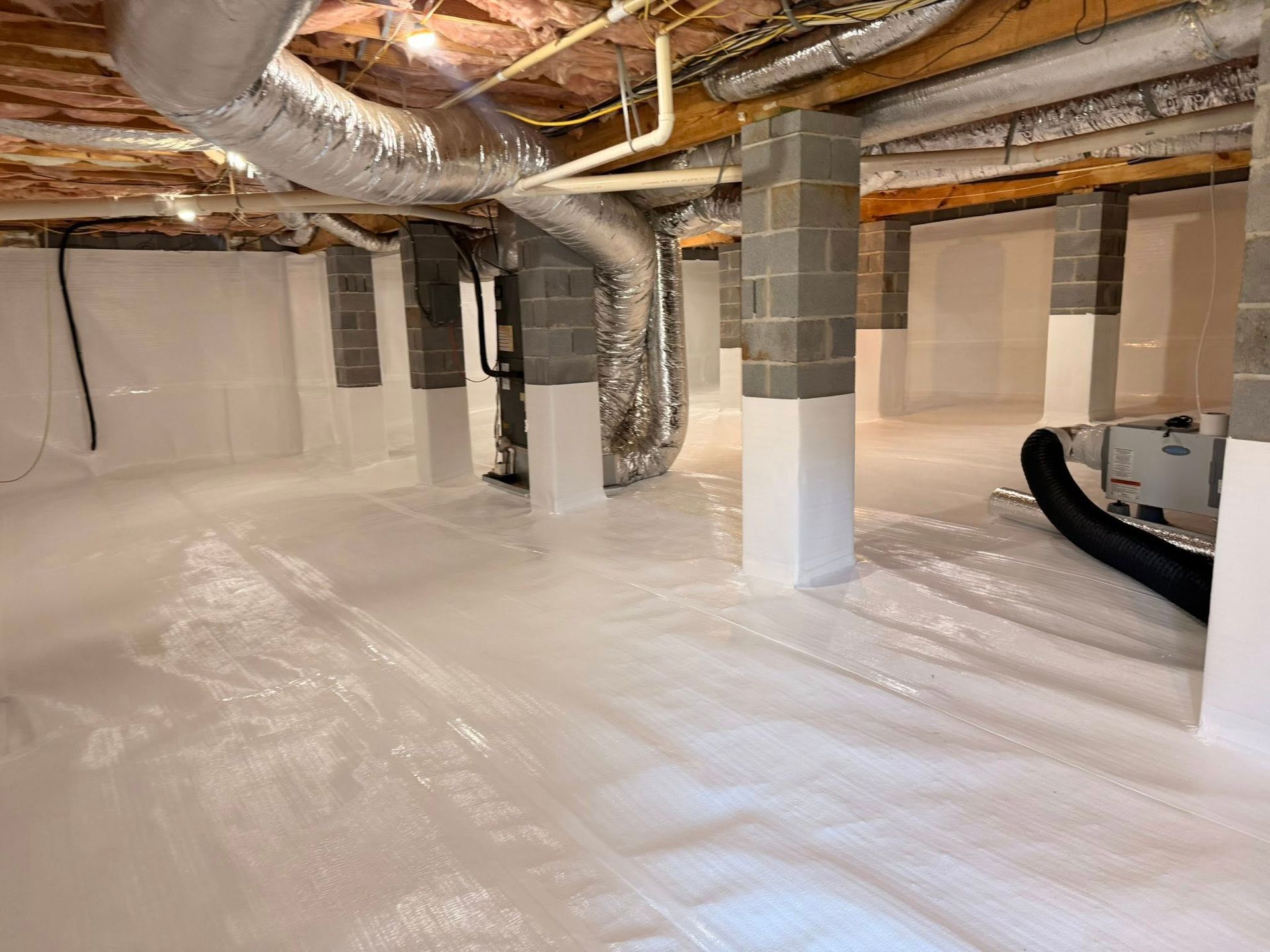
Bouncy Floors? Squeaky Spots? Cracks in Your Drywall? Your Floor Framing Needs Support
You walk across your kitchen and the floor bounces. Dishes rattle in the cabinet. Maybe there's a squeak that drives you crazy, or you've noticed cracks forming in your drywall. You're wondering if your floor is going to cave in—or if this is even fixable without tearing up your whole house.
Here's the good news: most sagging floors can be fixed without ripping up your flooring. We work from underneath in your crawl space.
Floors sag for a few reasons. Sometimes the original joists were undersized for the span—common in older Mahomet homes. Sometimes moisture has weakened the wood over time. Sometimes your home has just settled, and the supports aren't doing their job anymore.
The reality is simple: bouncy, sagging floors are telling you something's wrong with your floor framing system. And ignoring it doesn't make it better—it makes it worse. A lot of Mahomet homeowners live with bouncy floors because they think the fix is going to be massive and expensive. Usually, it's not.
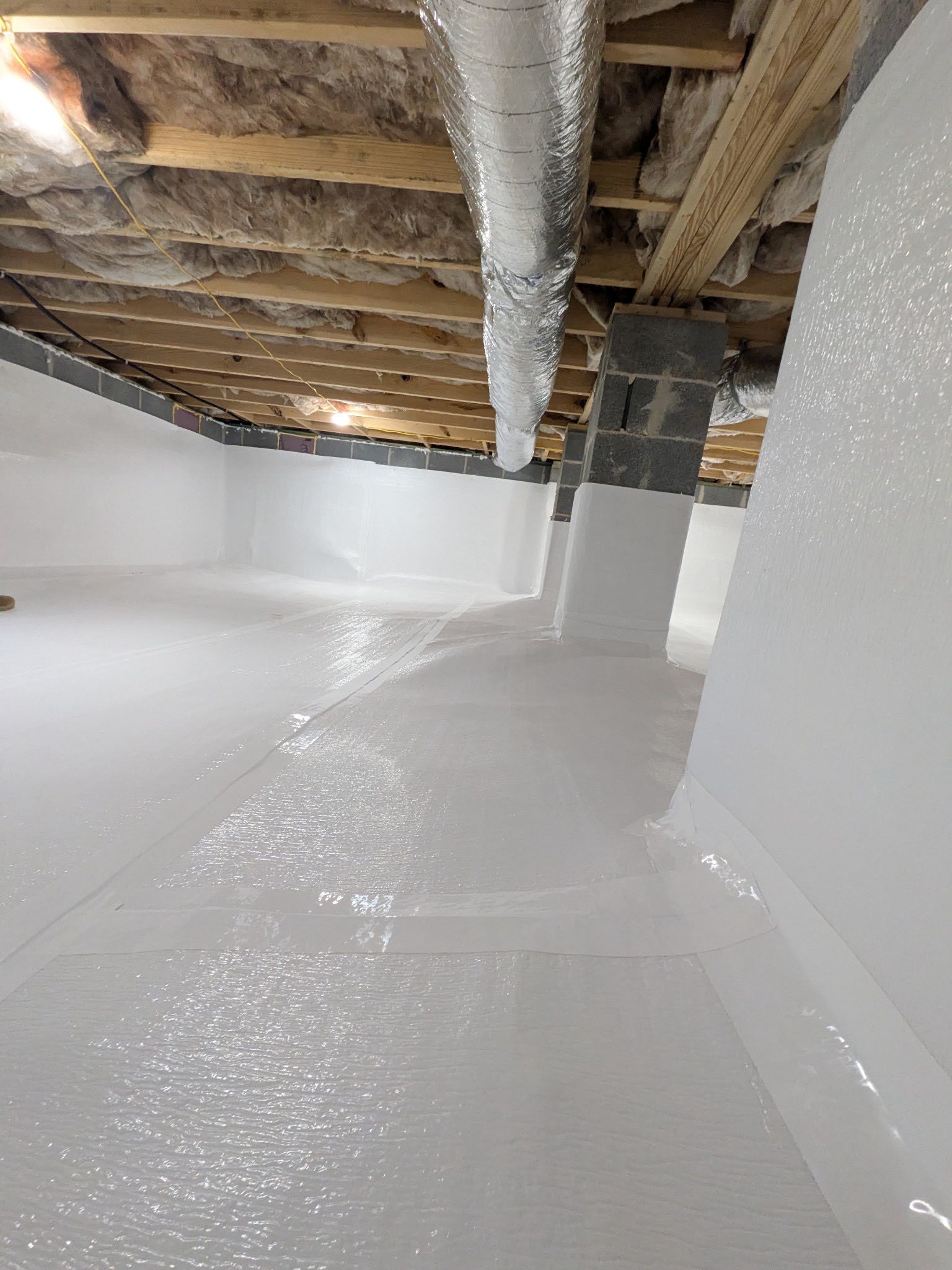
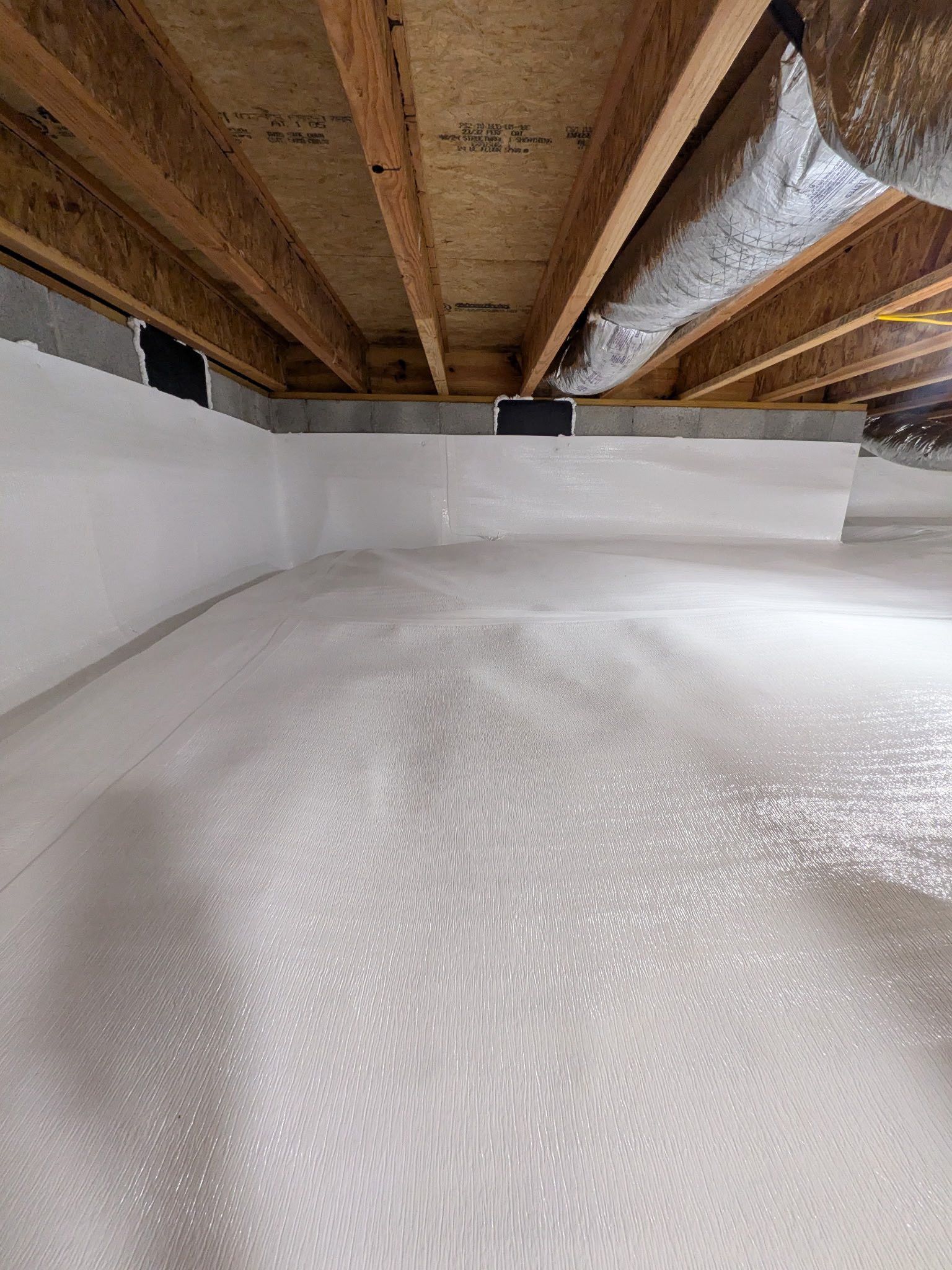
Why Your Floors Feel Soft or Bouncy—And Why It Matters
Let me explain what causes this. The most common issue I see is undersized floor joists. A lot of older homes in Mahomet have 2x8 joists spanning 13 feet or more. That's just not enough support for a kitchen or bathroom with cabinets, appliances, and people walking around.
Moisture damage is another big one. If you've had moisture in your crawl space, it weakens your floor joists and beams over time. The wood rots, loses strength, and can't hold the weight anymore.
Then there's settling and shifting. Our Central Illinois soil moves. Foundations settle. Support posts deteriorate or were never adequate to begin with.
Here's why it matters: bouncy floors aren't just annoying. They're putting stress on your entire floor framing system. That stress causes cracks in walls and ceilings. It affects doors—they stick or won't close right. And if you're selling your home, inspection reports will flag it. I see the same patterns in crawl spaces all over Mahomet and Central Illinois. The good news? It's fixable.
Quality Materials, Proper Engineering, and No Shortcuts
Use the Right Materials
Address the Root Cause
Don't Rush the Job
Example from Mahomet
We use galvanized adjustable supports—not cheap jacks that rust or fail in a few years. We use proper beam sizing. If you need a two-ply 2x10, that's what we install—not a 4x4 that can't handle the load. We pour concrete footings where they're needed.
I've fixed too many jobs where someone used inadequate materials to save a few bucks. It doesn't save money—it just means the homeowner has to pay to fix it again later.
We Use the Right Materials
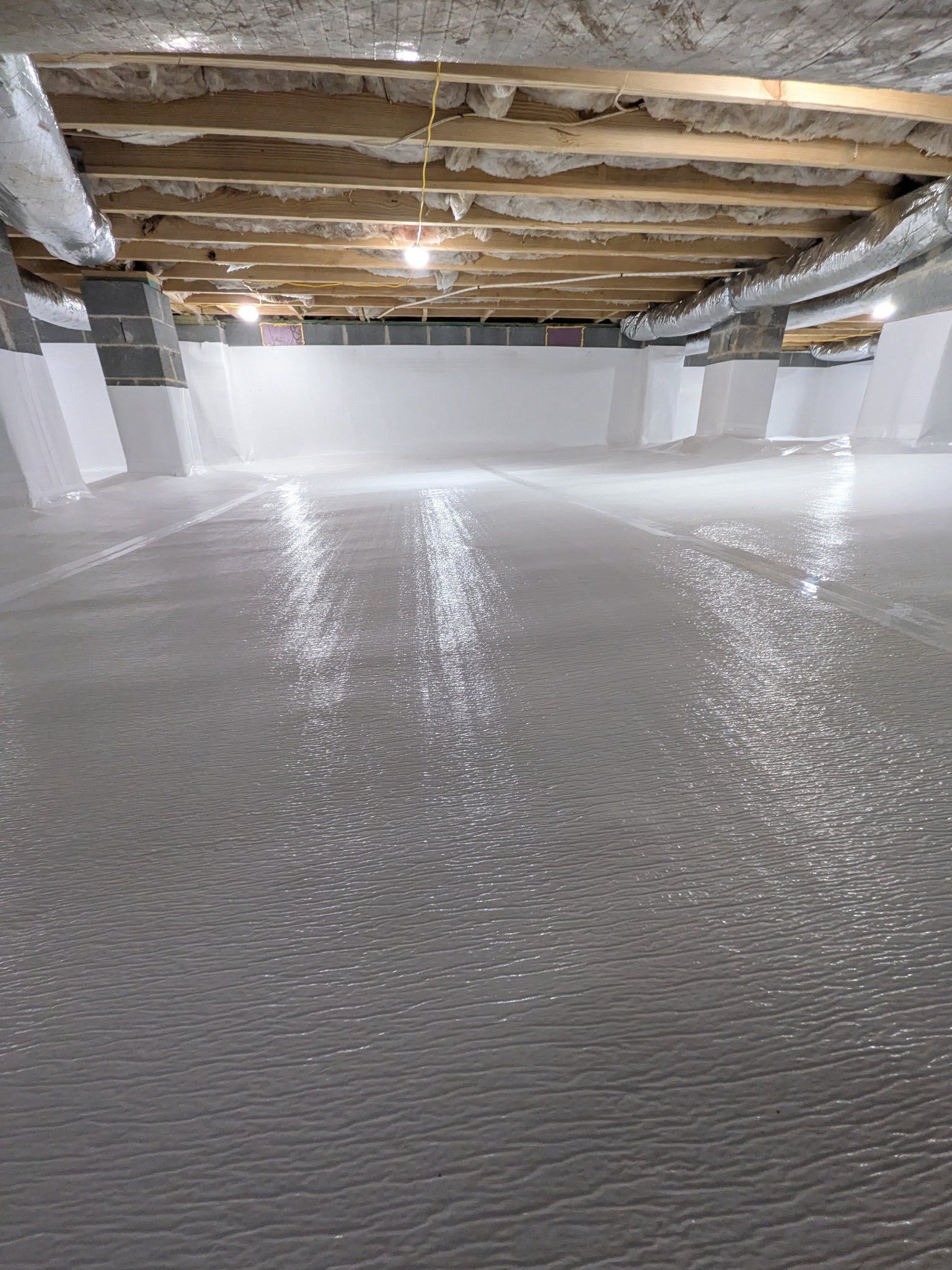
If moisture damaged your joists, we fix the moisture problem too. If your main beam is undersized, we supplement it properly. If you've got foundation issues affecting your floor, we address those.
Floor supports don't fix moisture—they just hold up damaged wood until it fails again. We solve the actual problem.
We Address the Root Cause
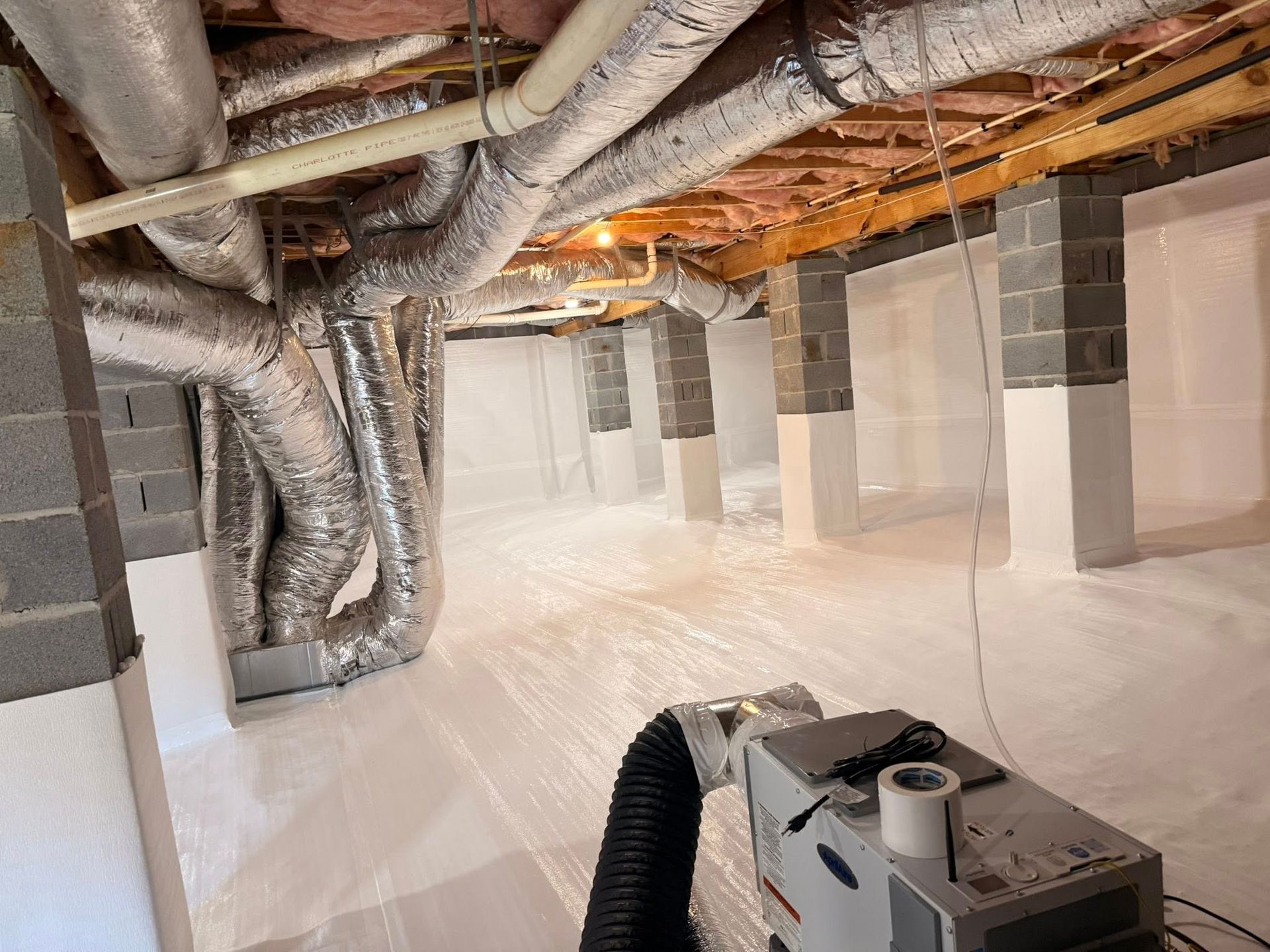
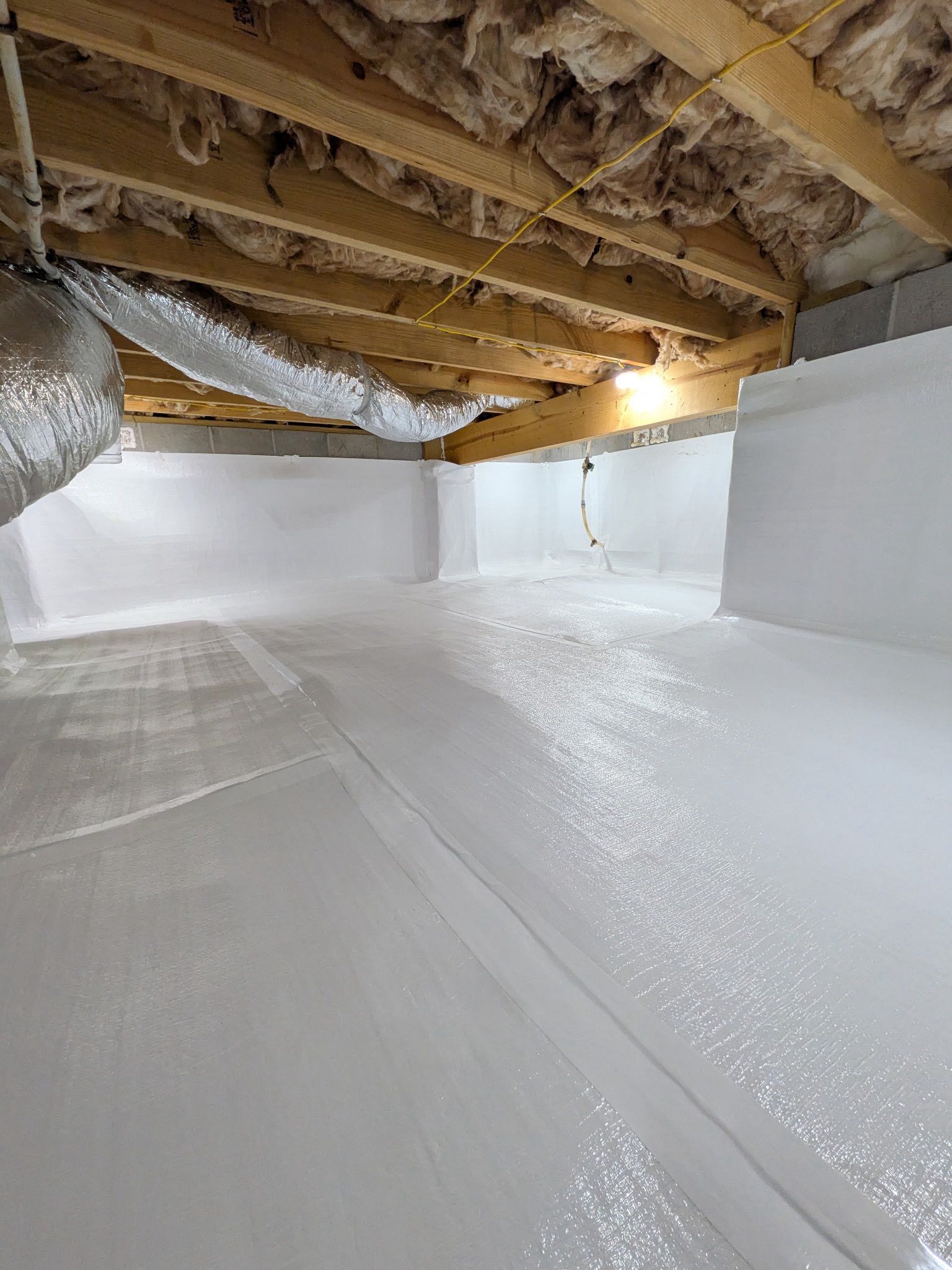
Floors need to be lifted gradually. Forcing them up in one day causes drywall cracks, stuck doors, and new problems. We take the time to do it right.
I've seen other companies jack floors up fast and leave homeowners with cracks running across their ceilings.
We Don't Rush the Job
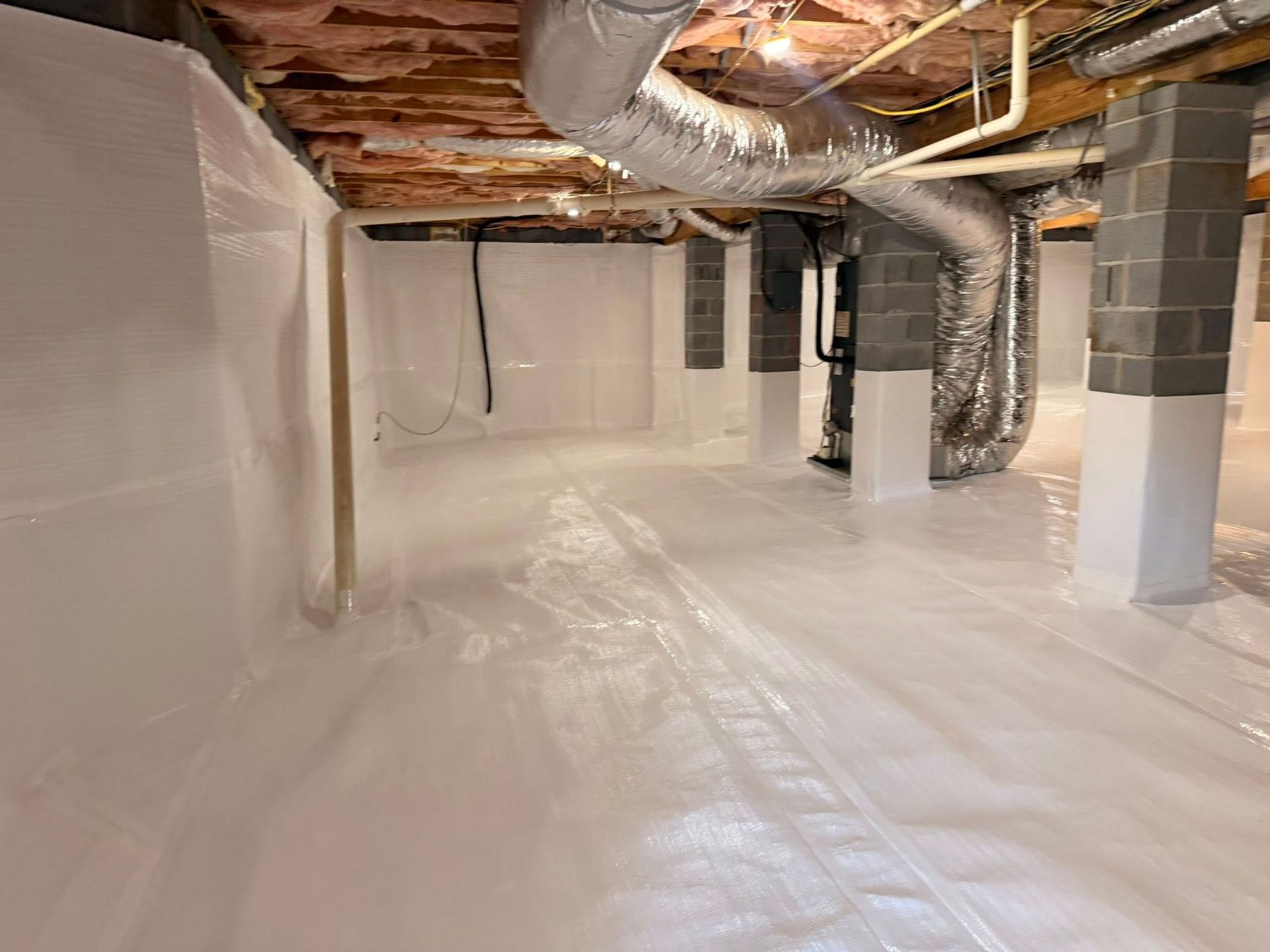
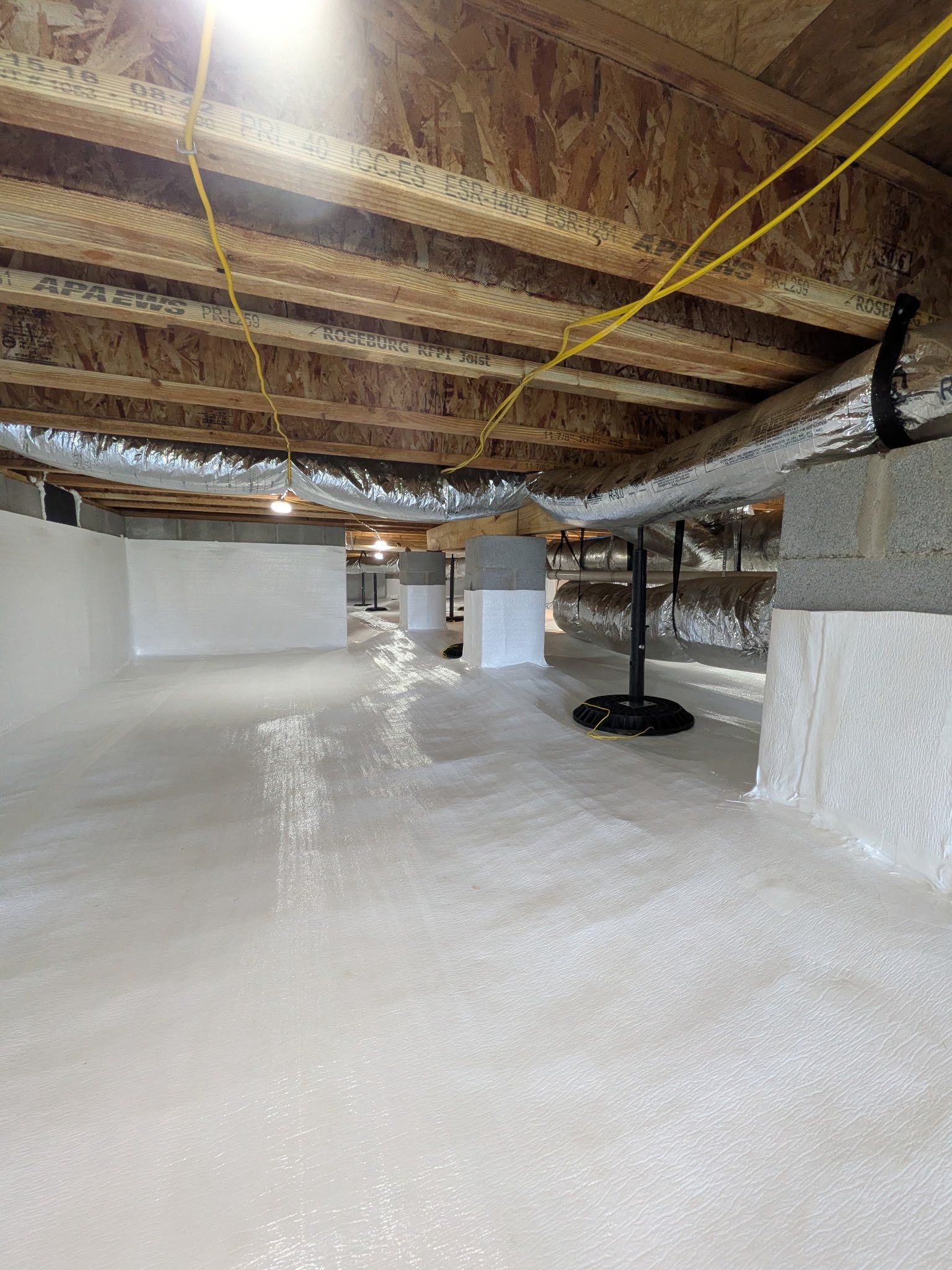
A realtor friend of ours bought a rental property. Previous contractor had put in basic floor supports and used a 4x4 as a beam. One of the jacks was literally laying on the ground. They'd created a hump in the kitchen floor.
We removed all that, installed a proper two-ply 12-foot beam and three galvanized adjustable supports. Fixed the sagging, leveled things out. Did it for almost half what the big national companies quoted her.
That's the difference between doing it fast and doing it right.
Real Example from Mahomet
Our Floor Support Process—From Inspection to Solid Floors You Can Trust
Detailed Inspection and Measurements
Before I get in your crawl space, we sit down and talk. I need to understand what you're experiencing—where the bounce is, how long it's been happening, what your goals are for the house. Then I do a complete crawl space inspection with a laser level to take measurements. I check your joist size, how far they're spanning, and how they're spaced. I inspect your main beam—what size it is, what it's made of, and how it's supported. I look for moisture damage, wood rot, or pest damage. I check your foundation and any existing piers.
My background in foundation work means I know exactly what to look for. I've been in thousands of crawl spaces across Central Illinois.
Design the Right Support System
Not all floor supports are the same. I've seen too many "chuck in a truck" jobs where someone threw in a basic jack and called it done. That doesn't work.
I calculate the proper beam size and placement based on your floor span and load. I determine how many adjustable support posts you need and where they should go. If you've got moisture issues causing the problem, we address those first—supports don't fix moisture problems, they just hold up damaged wood until it fails again.
We do it right, not just fast.
Installation
We install proper beams—often supplemental beams like two-ply 2x8s or 2x10s, not a flimsy 4x4. We use galvanized, adjustable floor supports, not basic jacks that rust out. We prepare proper footings. And we lift gradually. Forcing floors up fast causes cracks and more damage. The goal is to stabilize and lift where we can, not create new problems.
Final Adjustments and Documentation
We fine-tune the adjustments, then do a video walkthrough of the completed work. You'll understand exactly how we fixed your floor and why we did it the way we did.
The Installation Process from Start to Finish
Before We Start
Most floor support jobs take one to two days. We'll be working under your house, so there's minimal disruption upstairs. We use floor protection and shoe covers to keep your home clean.
During Installation
We're working in your crawl space while you go about your day. We'll give you progress updates throughout. If you want to see what we're doing, we'll show you via photos or video as we go.
What You Might Notice
You might feel some slight movement as we adjust the supports. That's completely normal. We're lifting gradually to avoid causing damage. You won't hear loud banging or feel sudden shifts—that means someone's forcing it, and that causes problems.
After We're Done
We clean up completely and do a video walkthrough of the work. I'll explain what we did and how it fixed the problem. Your floors should feel noticeably more solid—no more bouncing when you walk across the room.
Follow-Up
We come back at six months to check and make sure everything settled properly. And we're available anytime if you notice anything. When you call, you'll talk to Chris or me directly—not a call center.
Local Accountability, Multi-Trade Expertise, and Quality That Lasts
We Correct Others’ Mistakes
I've fixed a lot of inadequate floor support jobs. That rental property I mentioned? That's not unusual. I've seen supports laid in wrong, undersized beams, jacks sitting on dirt instead of proper footings. I know what happens when it's done wrong because I'm the one who gets called to fix it.
We Live Here
Chris and I are lifelong Mahomet residents. You might see us at County Market or at a football game. Our reputation is everything in this community. We're not some national franchise that disappears after the job—we live here. We're your neighbors.
We Answer Our Phone
When you call, Chris or I answer the phone ourselves. There’s no runaround and no waiting days for a callback. It’s simple, direct communication—something that should be standard in this industry, but unfortunately isn’t.
We Do More Than Just Floors
If I find moisture issues while I'm under there, we can fix those too. If your crawl space needs encapsulation, we handle that. We do handyman services for any other issues I spot. One company, one relationship, from inspection to solution.
Transparent, Fair Pricing
Our pricing is mid-range—not the cheapest, not the most expensive. We're usually about half what the big national companies charge. Our pricing reflects quality materials and proper engineering. You get what you pay for, and we make sure you get your money's worth.
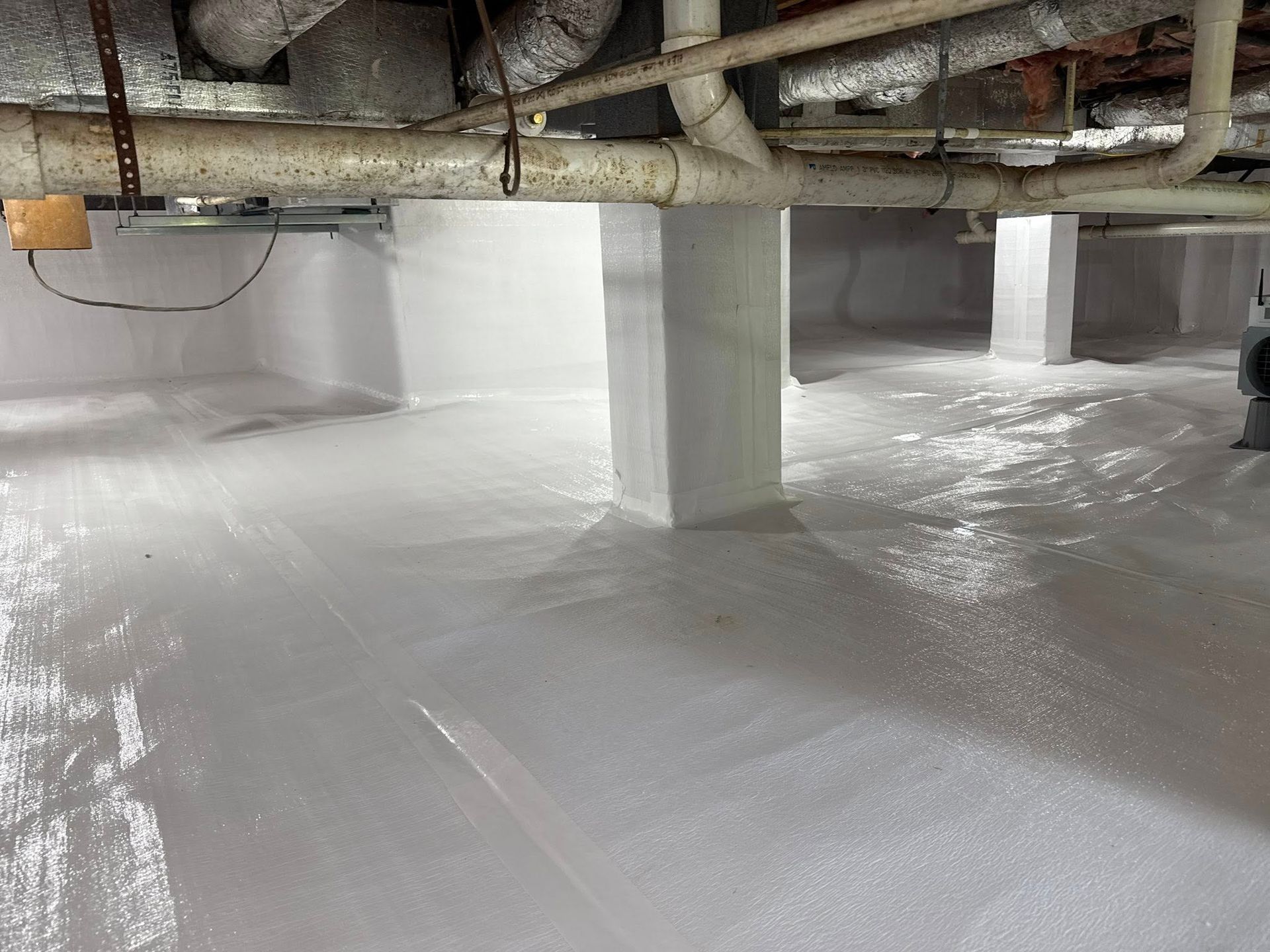
Floor Issues We See Most Often in Mahomet Homes
Bouncy or springy floors, especially in kitchens and bathrooms. Sagging floors with visible dips. Squeaky floors that won't stop no matter what you do. Cracks in drywall or plaster from floor movement. Doors that stick or won't close properly.
Gaps forming between baseboards and floors. Floors that feel soft or spongy in certain spots. Main beams sagging in the middle. Missing or deteriorated support posts that were never replaced.
These are the patterns I see all the time in Central Illinois homes. The good news? Most are fixable without tearing up your floors—we work from underneath in your crawl space.
Get Your Floors Fixed the Right Way
Bouncy, sagging floors don't fix themselves. They get worse over time, and they get more expensive to repair the longer you wait. That stress on your floor framing system keeps building. More cracks. More damage. More cost.
You deserve peace of mind knowing your floors are properly supported. That your home's structure is solid. That you're not going to have bigger problems down the road.
Give us a call, and Chris or I will answer personally. We'll come do a thorough inspection and give you same-day findings. No pressure, no sales pitch—just an honest assessment of what's going on and what it'll take to fix it right.
Let's figure out what's happening under your floors and get them stable again. You shouldn't have to live with bouncy floors or worry about whether your house is falling apart.