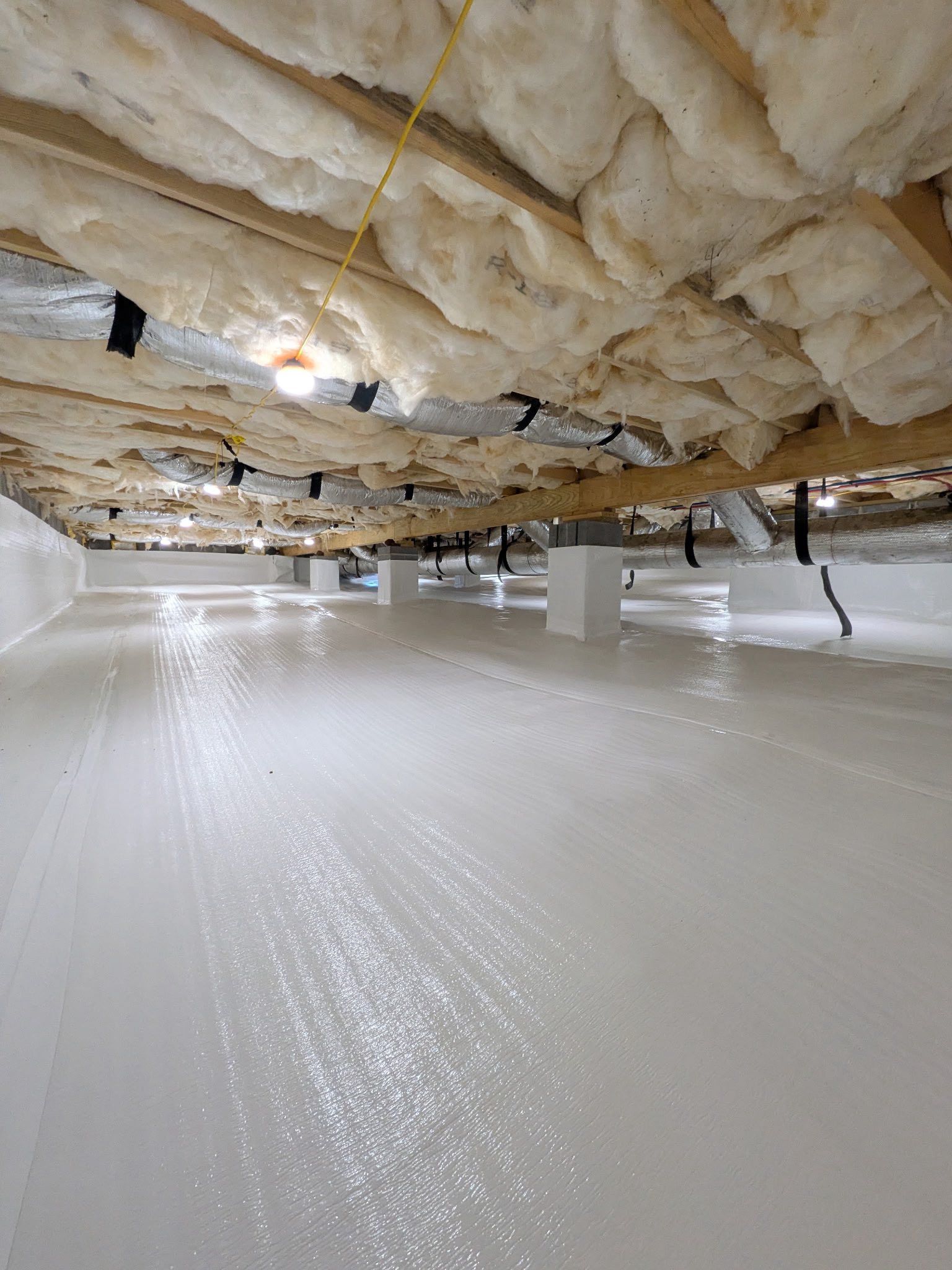
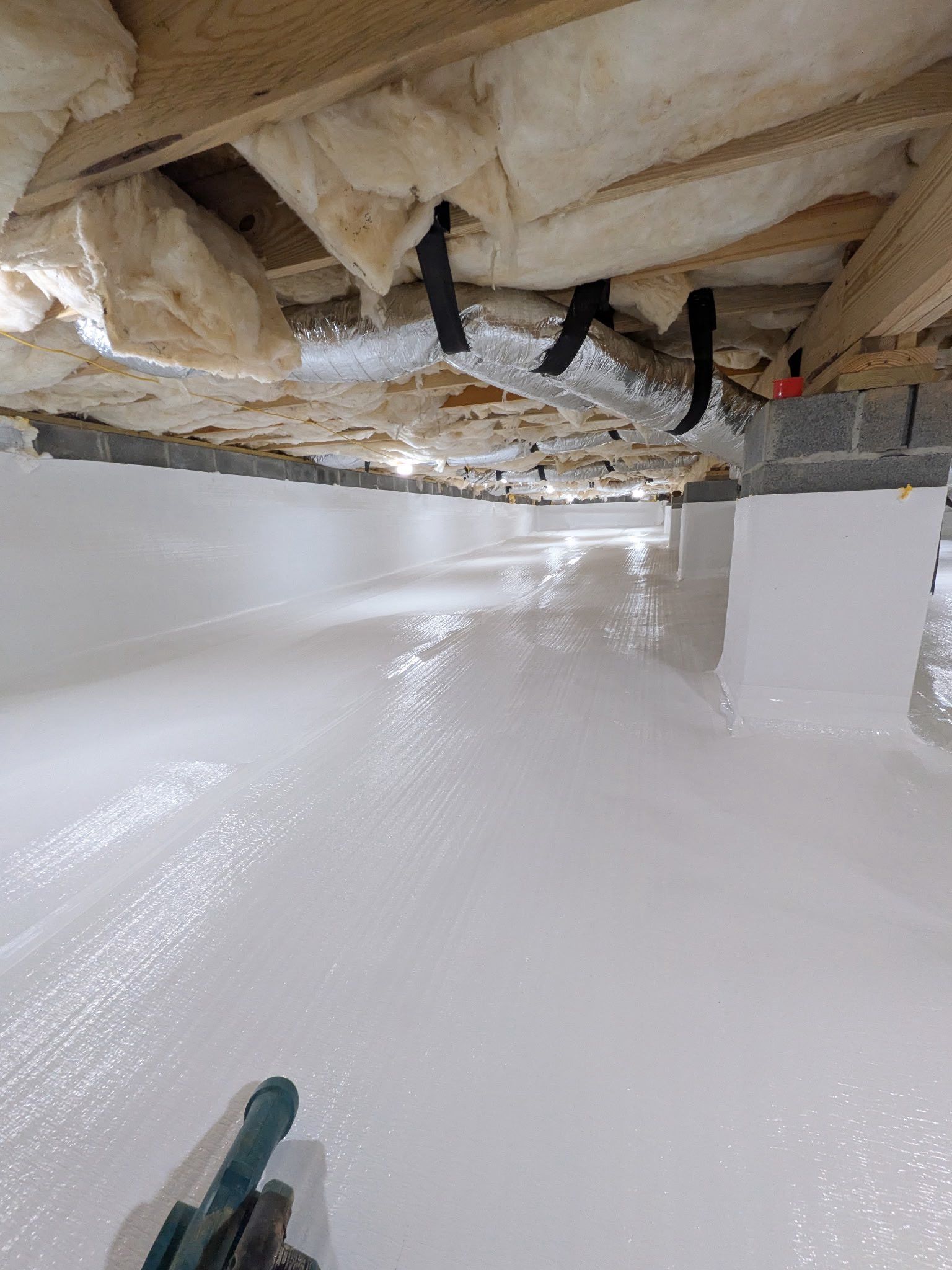
Crawl Space Problems in Charleston, IL
If You're Dealing with Musty Smells, Standing Water, or Sagging Floors in Your Decatur Home

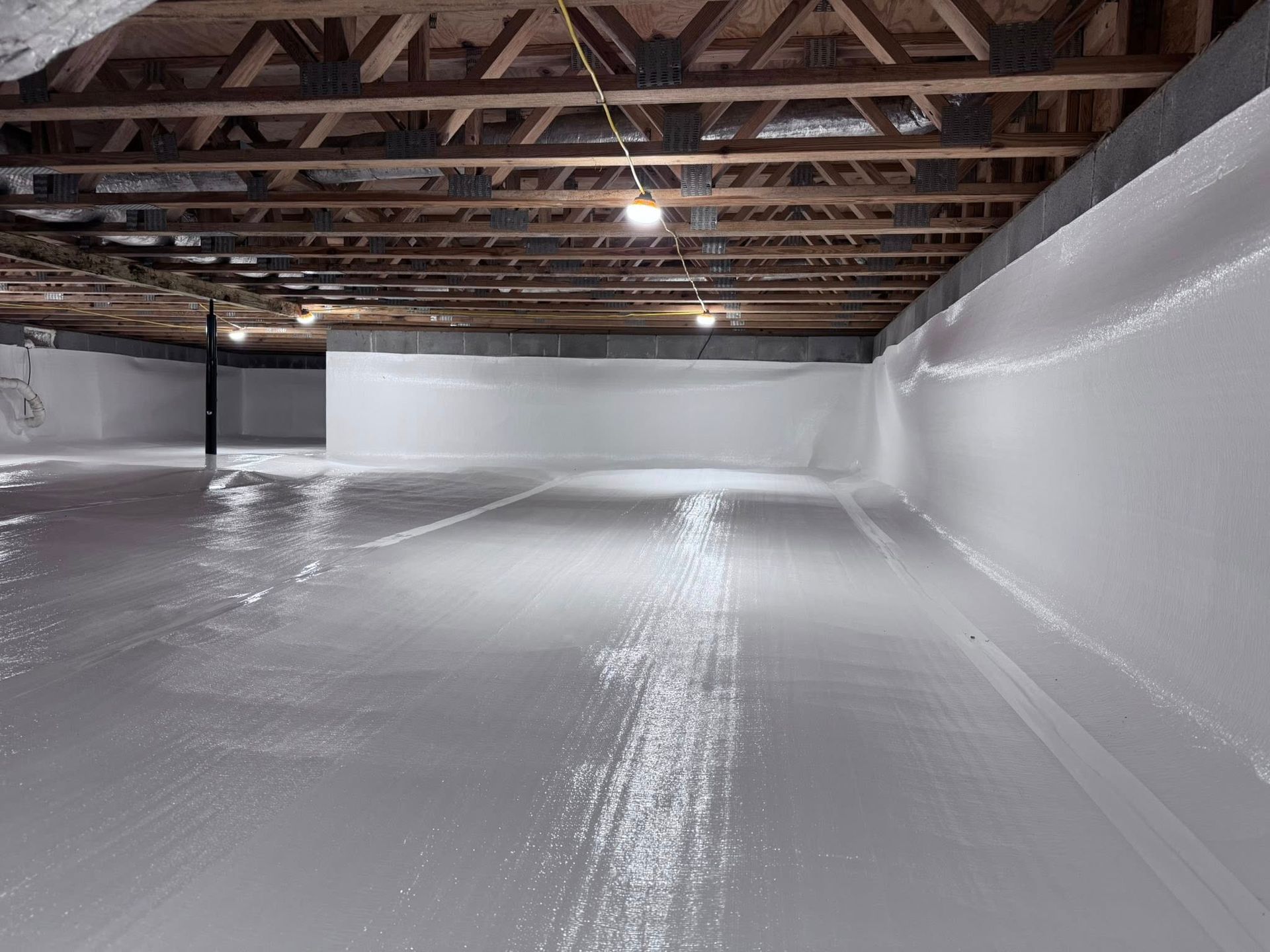
Charleston Has All the Ingredients for Crawl Space Problems
Charleston's heavy clay soil doesn't drain—it holds water against your foundation instead of letting it flow away. If you're on the east side near the Embarras River, seasonal water table changes make it worse. Spring snowmelt and rain create flooding.
Summer humidity sits at 80% or higher, which means mold growth even without standing water. The flatter lots on the south side have nowhere for water to go naturally.
Charleston has every condition that makes crawl spaces fail: soil that won't drain, seasonal flooding, and humidity that won't quit.
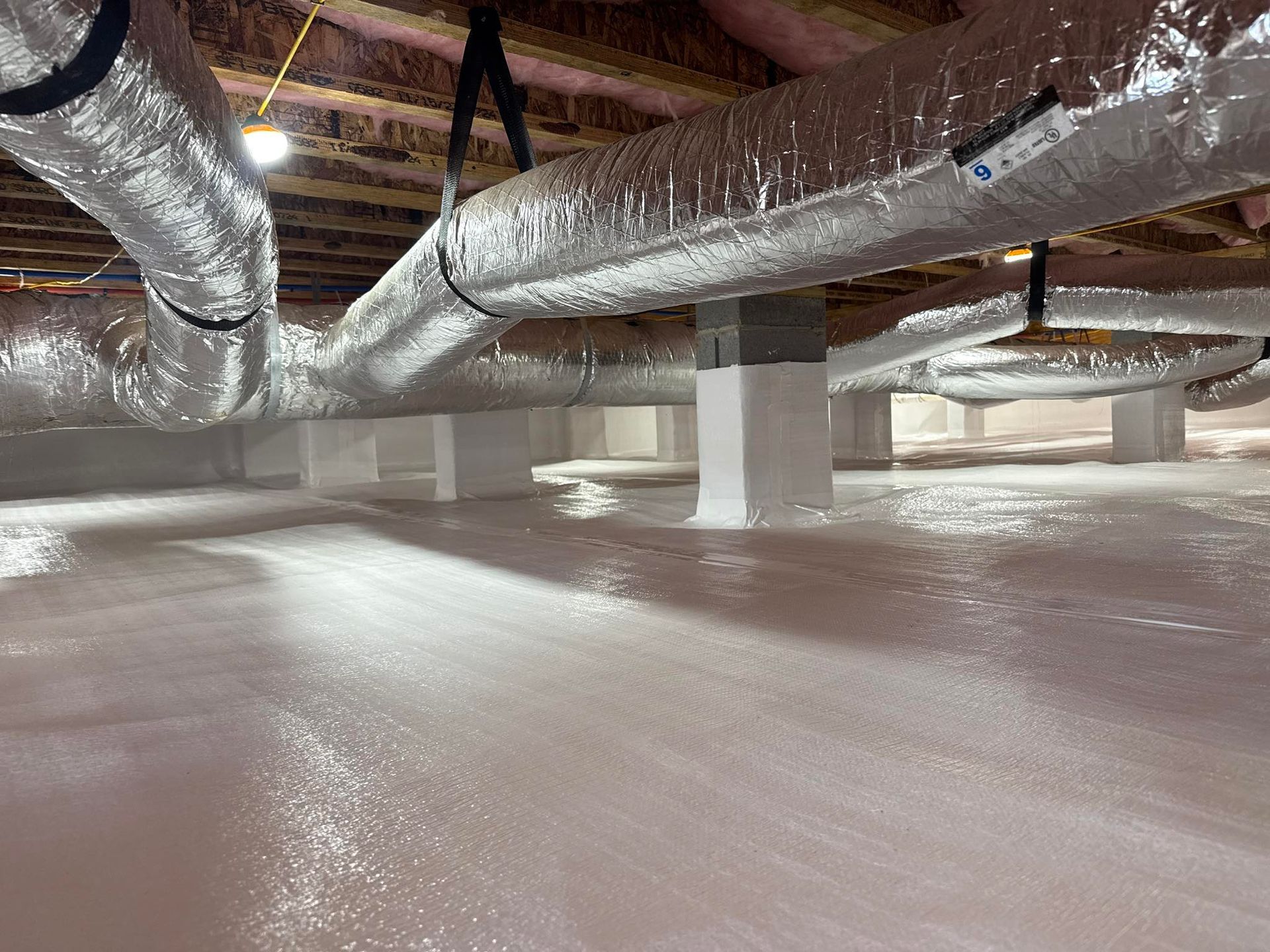
The Patterns We See in Homes Like Yours
Spring flooding near the Embarras River and local creeks creates standing water that returns every year until proper drainage gets installed.
Mid-century homes with bouncy kitchen floors—it's always the same issue: 2x8 joists spanning too far. Musty smells that won't quit no matter what homeowners try—dehumidifiers, air fresheners, opening windows—because the actual problem is crawl space humidity.
Landlords discovering multiple crawl space problems during pre-sale inspections after years of deferred maintenance. Newer homes on the west side dealing with spring water intrusion because drainage systems weren't designed for our clay soil.
Every crawl space is different, but the patterns across Central Illinois are consistent. Charleston's soil, weather, and housing stock create predictable problems.
Your Home's Age Tells Me What's Probably Wrong
Historic Homes
Mid-Century Homes
Newer Homes
Rental Properties
The beautiful homes near the square and in the older neighborhoods weren't built with crawl spaces in mind—they were an afterthought. There's no vapor barrier at all separating the ground from your home. The stone or block foundations are often deteriorating after decades of moisture exposure. Floor joists are undersized for modern loads—they weren't designed for kitchens full of appliances or bathrooms with heavy fixtures. The result is constant moisture problems and that musty smell that won't go away no matter what you try. These homes have character, but their crawl spaces need serious attention.
Historic Homes (Pre-1950)
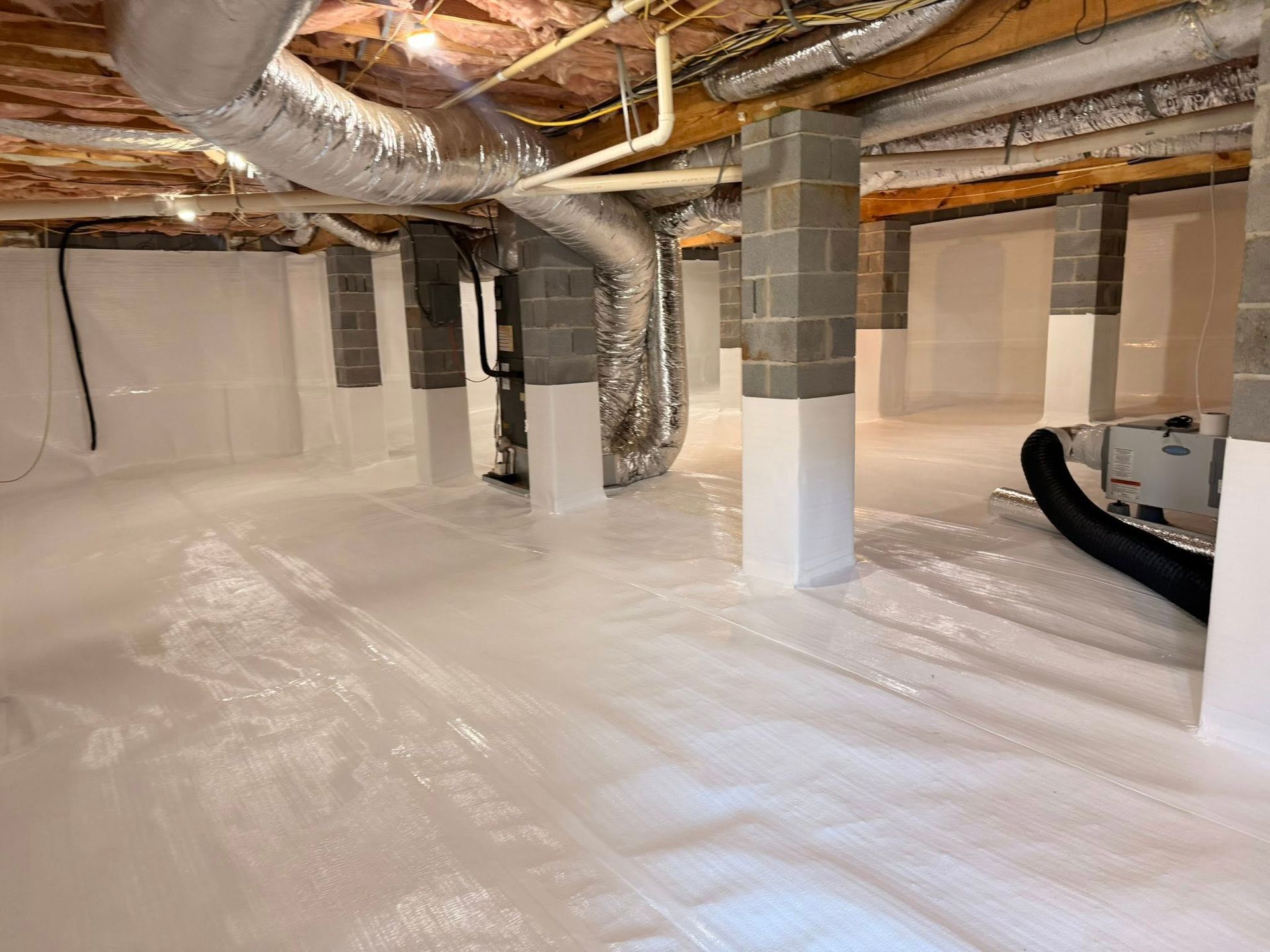
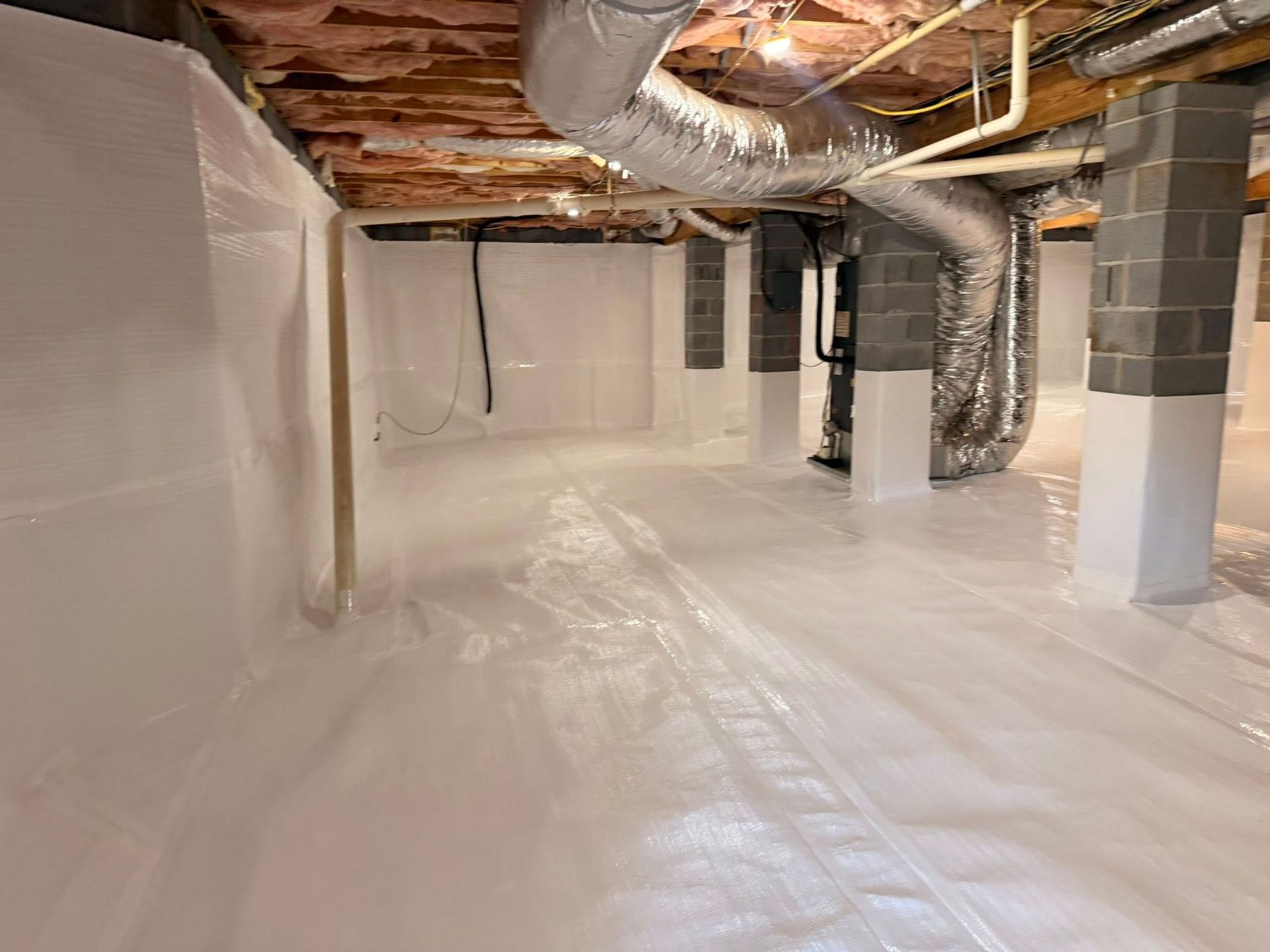
This is where most of Charleston's housing stock falls. The town expanded significantly during this period, and these homes all share similar crawl space problems. The floor joists are typically 2x8s spanning 13 feet or more—too far for the load they're carrying. You get bouncy, squeaky floors, especially in kitchens and bathrooms. The vapor barriers are thin 6-mil plastic that failed years ago, if they're even still there. And here's the big one: these homes have open foundation vents because that's what building codes required back then. We now know those vents make moisture problems worse by letting in humid summer air. If your home was built during this era, we've seen your exact problems dozens of times.
Mid-Century Homes (1950s-1970s)
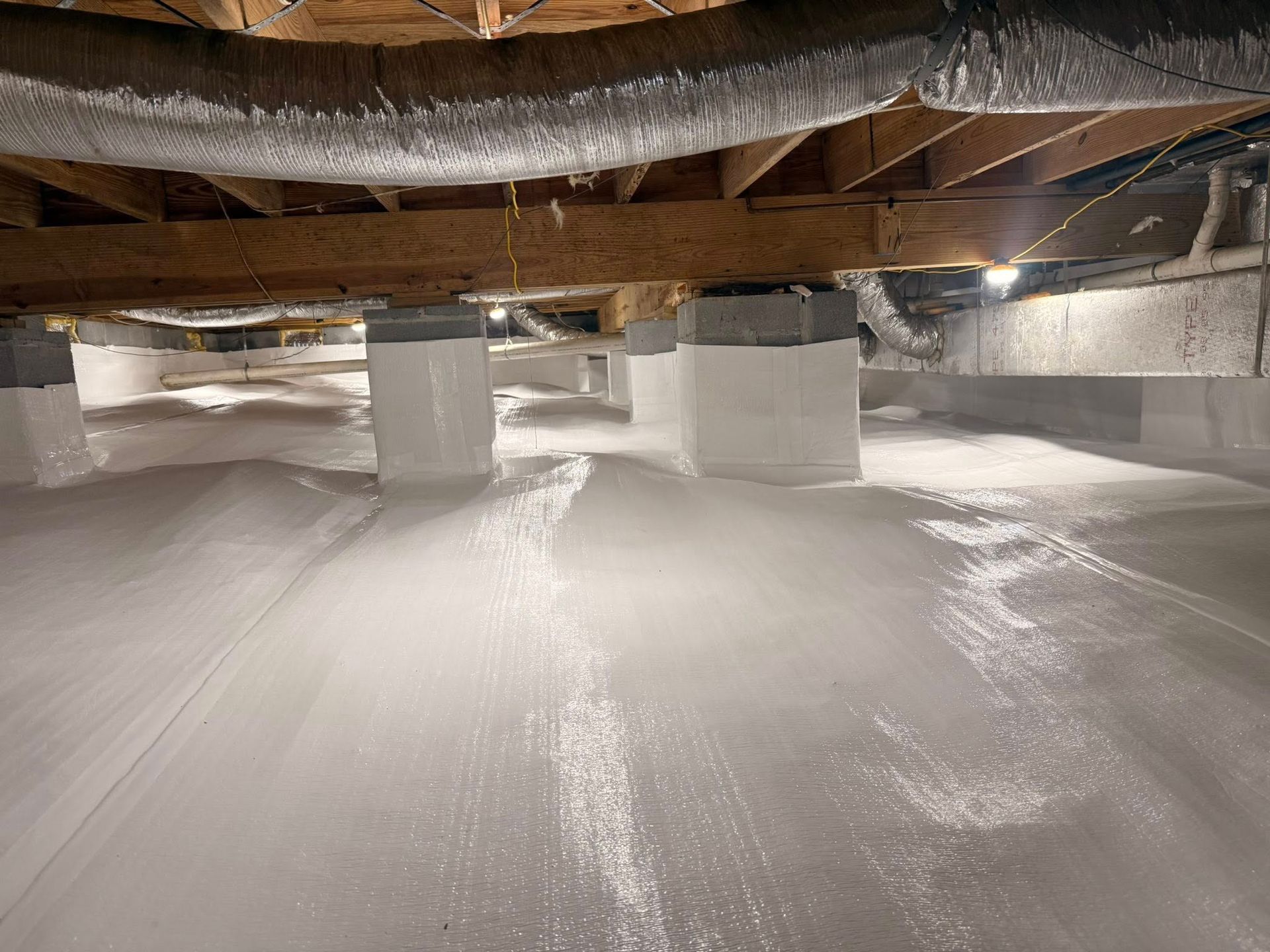
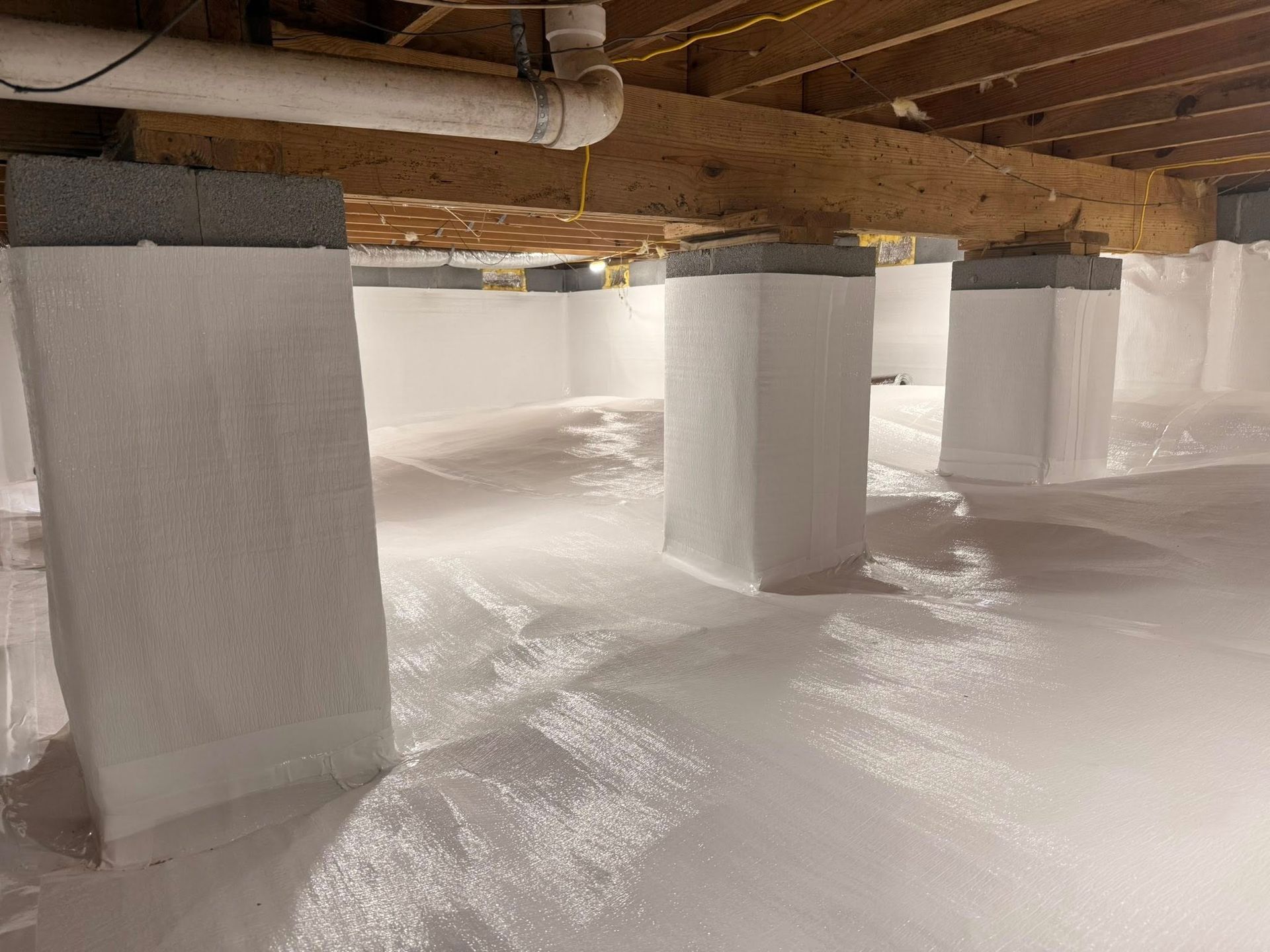
The developments on the west and north sides of Charleston had better initial construction, but they're still fighting the same soil and weather conditions. You might have a vapor barrier, but it's often inadequate—thin material with unsealed seams. Drainage systems weren't designed for Charleston's clay soil and spring flooding patterns. Even homes that are only 20 or 30 years old can have water intrusion problems during heavy spring rains. The soil doesn't care how old your house is—if the drainage isn't right, water finds a way in.
Newer Homes (1980s-2000s)
EIU student housing creates a unique situation. Landlords often defer crawl space maintenance until something forces action—usually an inspection report when they're trying to sell or refinance. By that point, you're dealing with multiple compounded issues: standing water, structural problems, mold growth, all at once. We get calls from landlords who need problems fixed quickly so transactions can close. The work still gets done right, but it's more expensive than if it had been addressed earlier.
Rental Properties
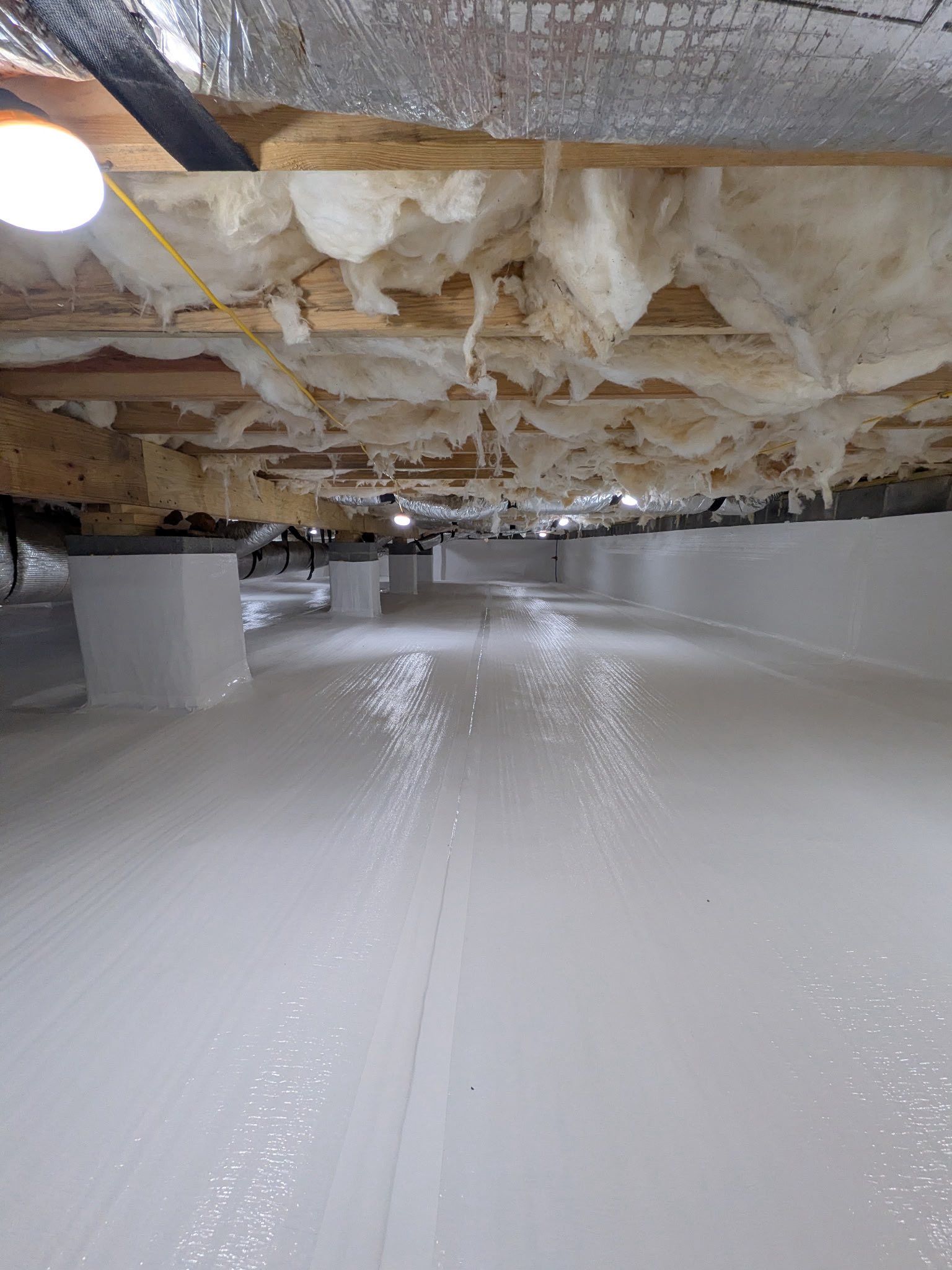
From Standing Water to Sagging Floors—Here's What Actually Works
Standing Water
Charleston's clay soil and spring flooding mean standing water is common. We install French drain systems that intercept water before it pools in your crawl space. Sump pumps get sized for Charleston's seasonal flooding patterns—not undersized units that can't keep up when you need them most. We fix where the water's coming from, not just pump out what's already there. That means looking at grading, downspouts, and how water moves across your property.
High Humidity
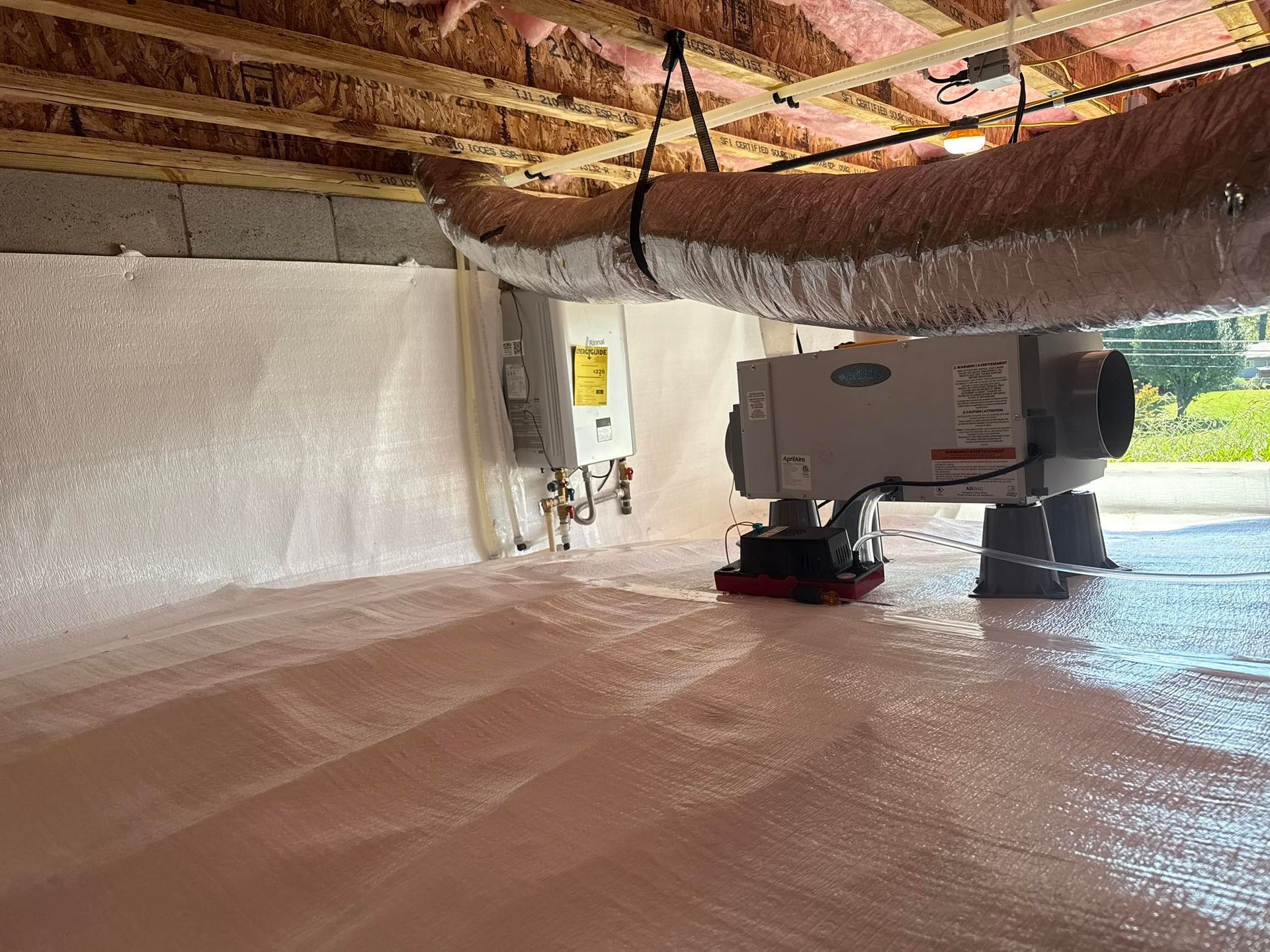
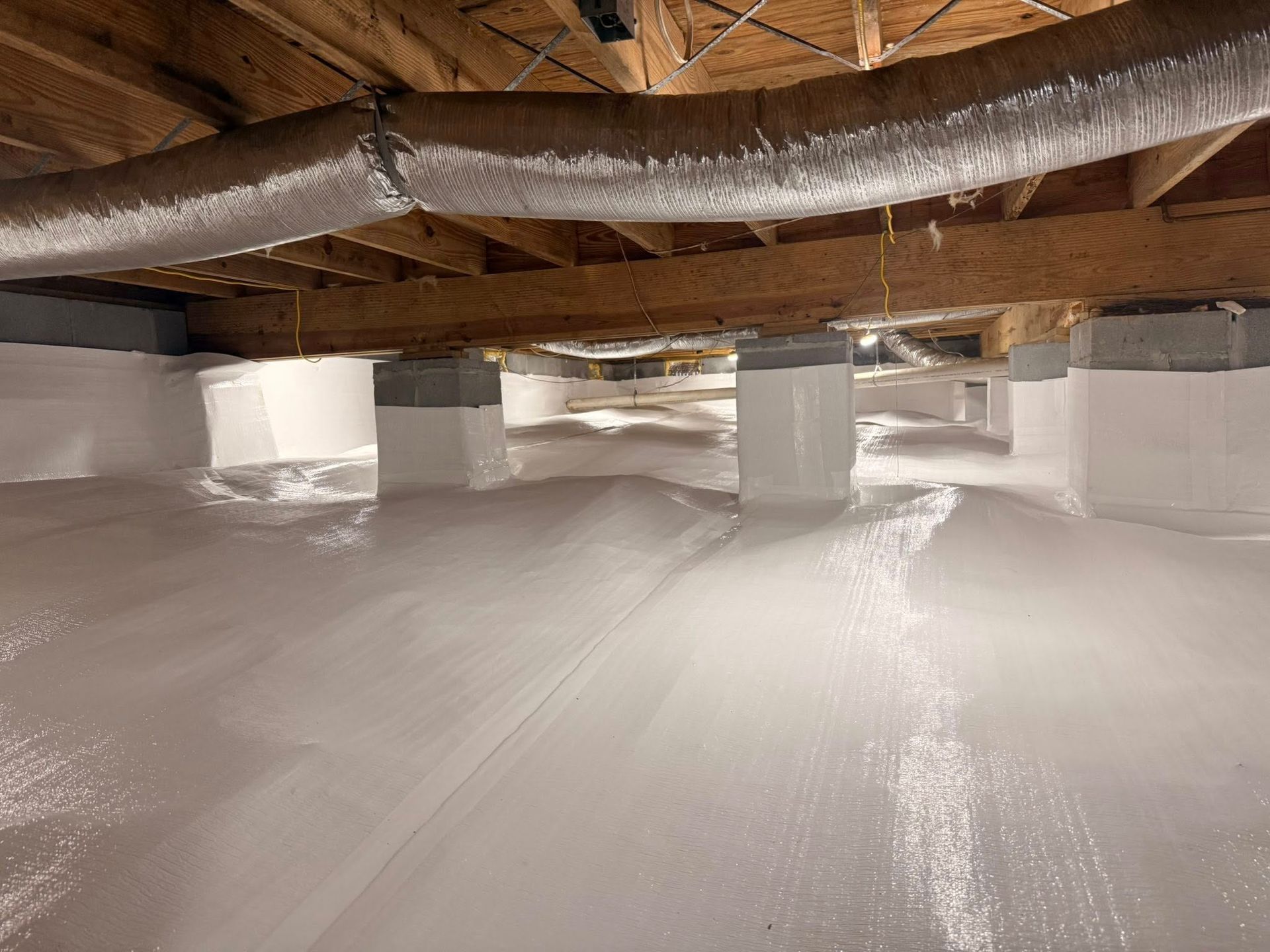
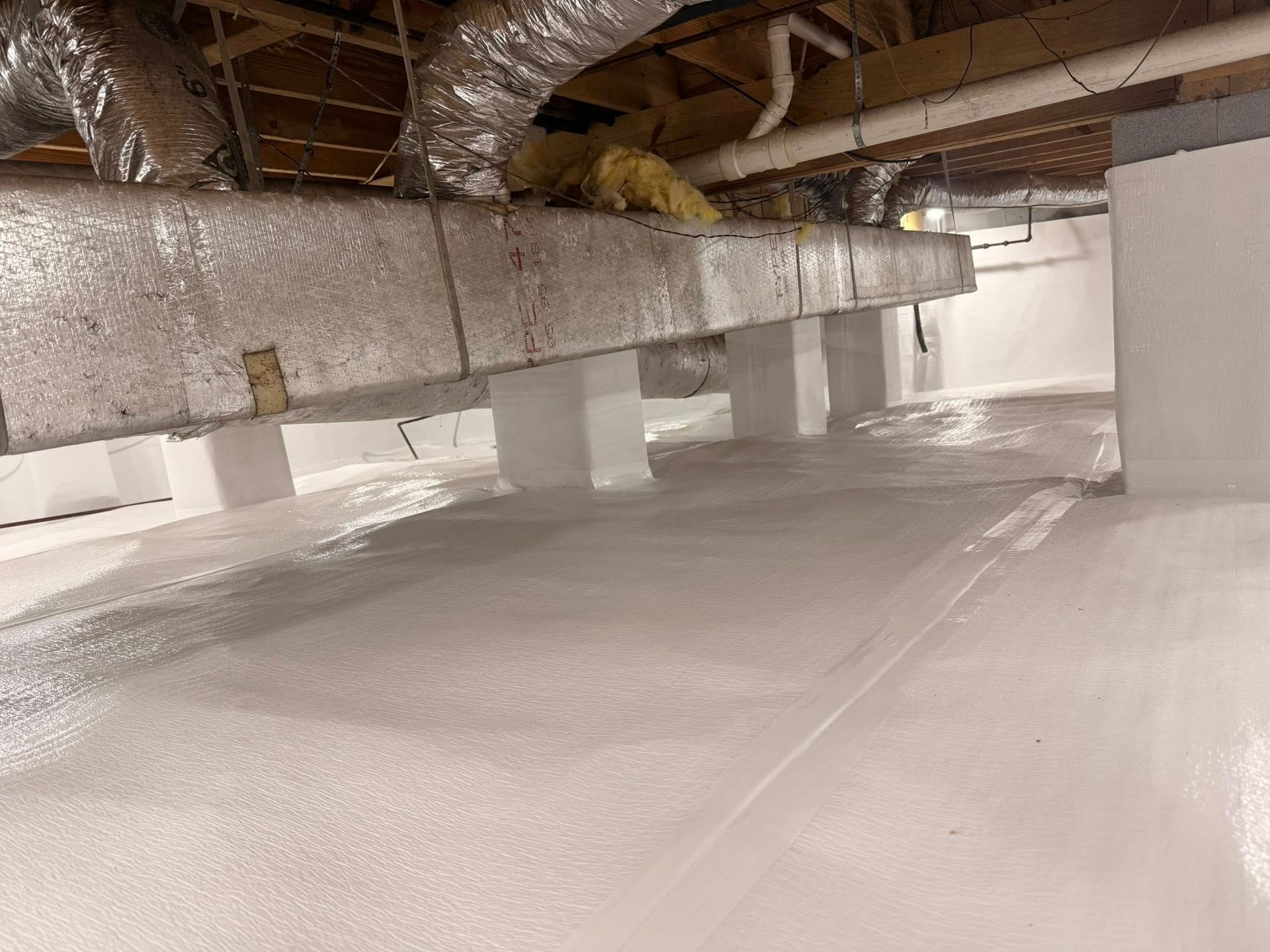
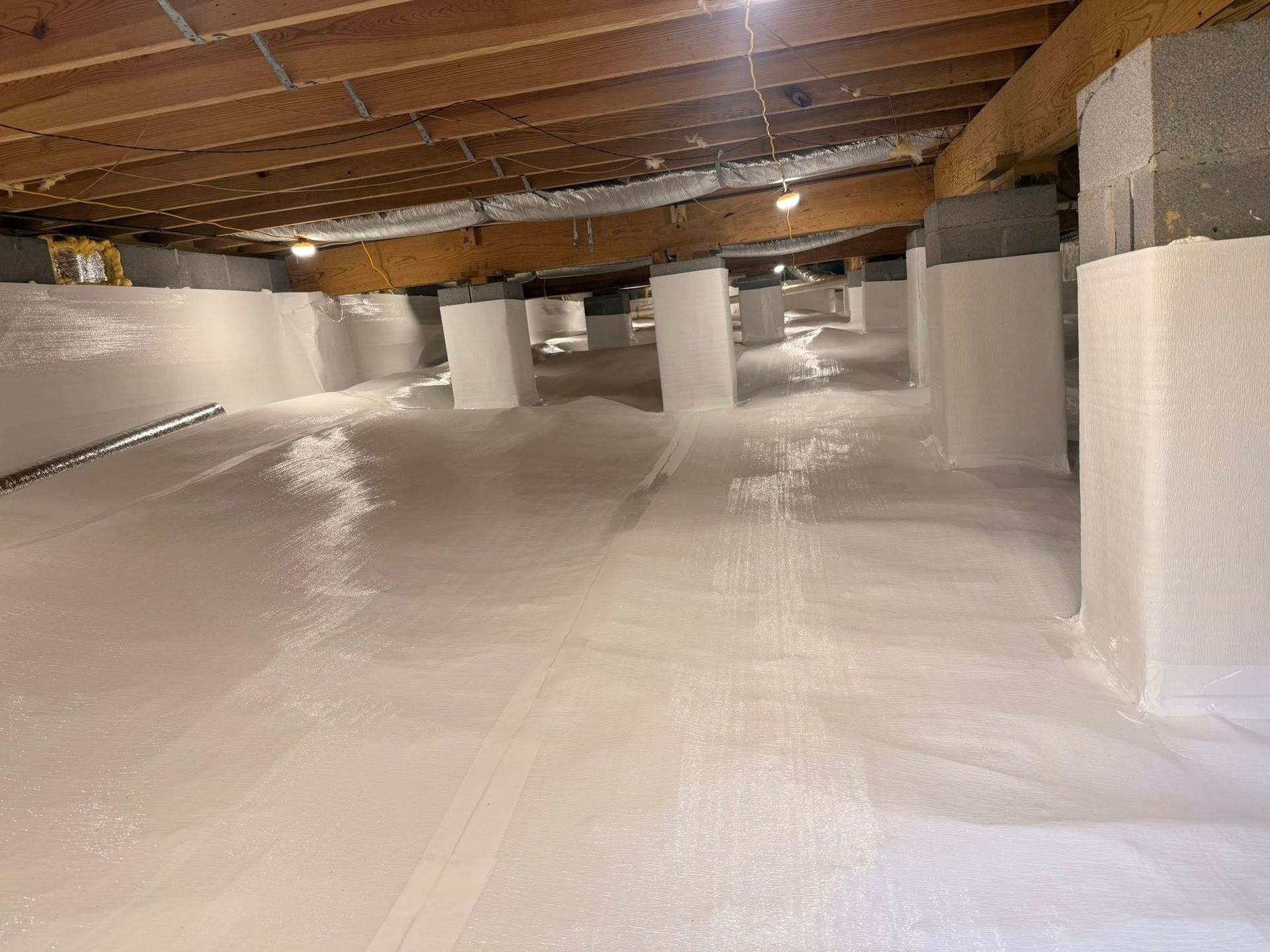
That musty smell won't go away with air fresheners—it's your crawl space humidity. We seal foundation vents to stop humid outside air from getting in. Commercial-grade dehumidifiers control moisture year-round, not the Walmart units that fill up daily and burn out in six months. Heavy-duty 20-mil vapor barriers get installed properly—sealed seams, extended up walls, secured so they actually work. About 50% of the air you breathe comes from your crawl space, so humidity down there affects your whole house.
Sagging Floors
Bouncy kitchen floors in mid-century homes are almost always undersized joists. We install supplemental beams to distribute the load properly—calculated for your specific span and load, not guesswork. Galvanized adjustable supports go on proper footings so they don't sink into Charleston's clay soil over time. We lift gradually to avoid creating new cracks upstairs.
Mold Growth
We address the moisture source first—treating mold without fixing humidity just means it grows back in six months. Professional treatment of affected wood, removal of contaminated insulation, and dehumidification to prevent regrowth.
What to Expect When You Call
When You Call
Chris or I answer personally. We ask about your symptoms and concerns—what you're noticing, how long it's been going on. Then we schedule an air quality assessment at a time that works for you.
The Inspection
I spend one to two hours in your crawl space doing a complete assessment. You can watch via video stream if you want to see what I'm seeing in real-time. I find every problem, not just the obvious one.
Same-day Findings
We sit down that same day. I show you photos and video of everything I found. I explain what's wrong and WHY it's happening. You'll actually understand what's going on under your house—no confusion, no technical jargon you can't follow.
The Solution
We build it together based on your goals. If this is your forever home, we focus on long-term health and prevention. Selling soon? We prioritize what matters for inspection reports. You help me decide what makes sense for your situation and timeline.
The Work
We show up on schedule. We work consecutively until the job is 100% complete—no disappearing for a week. Most crawl space jobs take two to four days. We document everything. When we're done, we do a complete walkthrough so you see the finished work.
After Installation
We schedule six-month and one-year follow-ups to make sure everything's working right. You have our direct number. When you call, you get Chris or me—not a call center.
Common Questions from Homeowners
Why should I hire someone from Mahomet instead of a local contractor?
We're specialists who do crawl space work all day, every day—it's not a side service we offer between other jobs. My background in HVAC, plumbing, and foundation work means I see connections that crawl space-only companies miss. I catch condensate drainage problems, plumbing leaks, and structural issues others walk right past. The clay soil in Charleston is the same clay soil we deal with in Mahomet. Your 1960s home was built the same way as 1960s homes throughout Central Illinois. We know your area's challenges because we live with them too.
Do you really come out to Charleston?
Yes. We schedule dedicated Charleston days and work consecutively until your job is done—we don't start, disappear for a week, then come back. Forty-five miles doesn't matter when you're getting quality work and actual owner involvement. You're not a squeeze-in between other jobs.
Will I talk to a salesperson or the actual owner?
Chris and I answer the phone personally—not a call center, not a sales team. When you need straight answers about what's wrong and what it takes to fix it, you get them from the people who'll actually be doing the work.
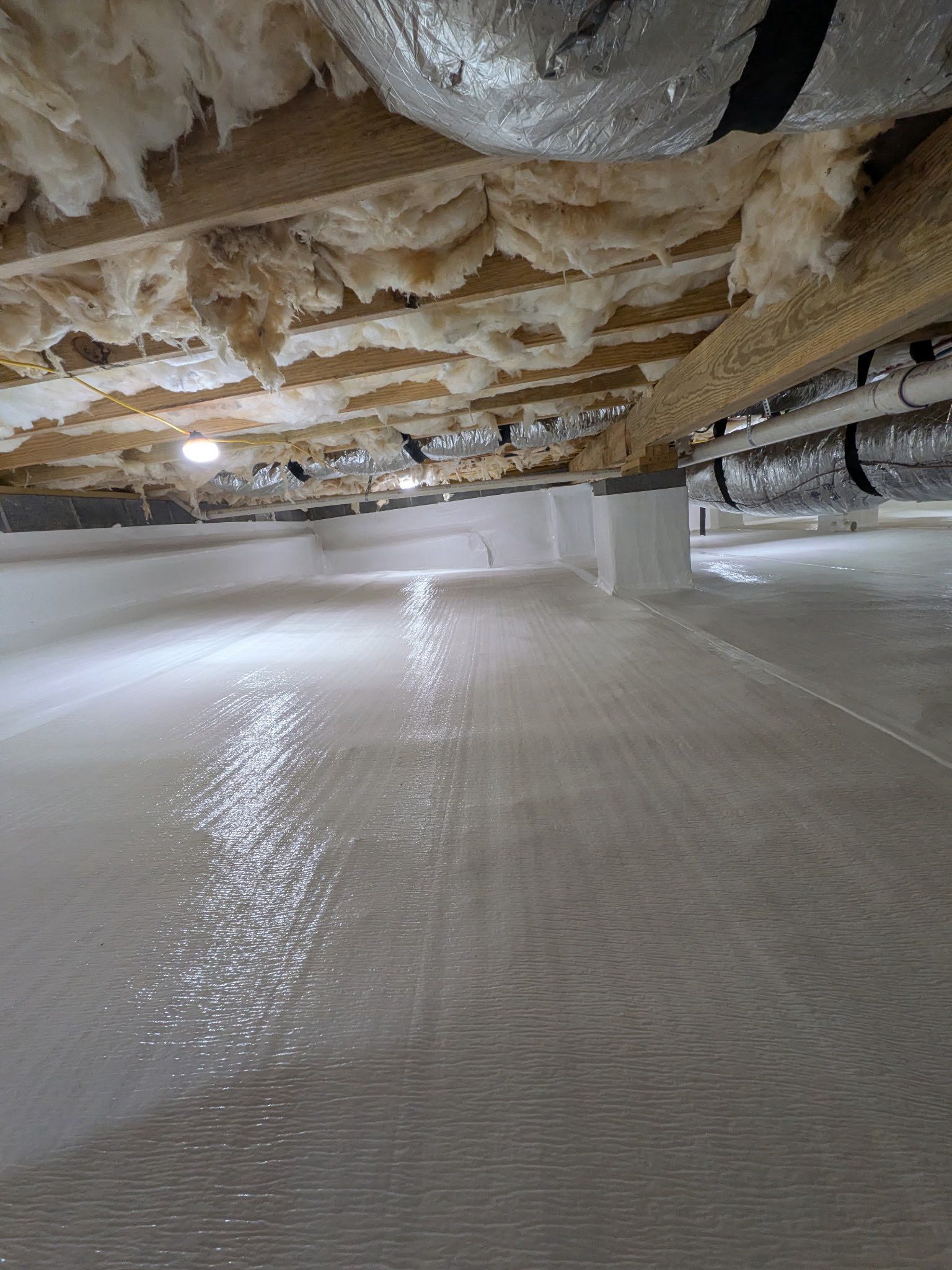
We Fix What We Find
When we're in your crawl space doing encapsulation or drainage work, we often find other problems—plumbing leaks that have been going for months,
HVAC condensate lines draining into your crawl space instead of outside, electrical junction boxes with missing covers. My HVAC and plumbing background means I catch these issues.
And we can fix them while we're there. You won't need to coordinate three different contractors.
One company handles everything from your crawl space moisture problems to whatever else your Charleston home needs—plumbing repairs, electrical fixes, handyman work, all of it.
We Can Help You Fix It
Call us - Chris or I will answer personally.
We'll come to Charleston, do a thorough inspection, and give you same-day findings about what's actually wrong and what it takes to fix it.
No pressure, no corporate script—just honest answers from someone who's been doing this work across Central Illinois for years.
Your crawl space problems aren't going to fix themselves.