Crawl Space Problems in Mattoon, IL Homes
Understanding what's happening under your Mattoon home—from someone who's actually worked there

Why Mattoon Homes Have Crawl Space Problems (And What You Can Do About It)
You've noticed the musty smell that won't go away. Maybe your kitchen floor bounces when you walk across it. Your feet are freezing in winter even with the heat cranked up.
If you live in Mattoon, you're not alone—and this isn't your fault.
I'm Jeff. We're based in Mahomet, but I've worked on dozens of crawl spaces throughout Mattoon and Coles County. Here's what I've learned: these problems are incredibly common here, and they happen for specific reasons related to your area's soil, water table, and how homes were built decades ago.
Here's what's actually happening under your home—and what actually fixes it.
The Geography Working Against You
Mattoon's geography creates crawl space problems. This isn't about you neglecting your home. The soil, the water table, and the flat terrain are all working against you.
Coles County soil holds moisture. More importantly, Mattoon sits on relatively flat terrain. Water has nowhere to go when it rains, so it sits—and a lot of it ends up under your house.
The Embarras River and Lake Mattoon both affect groundwater patterns. Homes on the north side, especially closer to the lake, tend to have higher water tables. Some neighborhoods flood predictably every spring.
Almost every Mattoon crawl space I inspect has moisture problems to some degree. You didn't cause this. The geography created it, and the way homes were built decades ago didn't account for it.
What's Probably Happening Under Your Home
I can usually predict what's wrong before I even get under your house. All I need to know is when it was built. Homes from different eras have different problems because building practices changed, codes changed, and our understanding of crawl spaces changed.
Before 1950
Built 1950-1980
Built After 1980
These are the beautiful older homes in downtown Mattoon. Stone or brick foundations. Character and craftsmanship you don't see in newer homes. But crawl spaces were an afterthought. Most have crawl spaces that are barely crawlable—maybe 18 to 24 inches of clearance. Access is usually through a small hatch inside the house.
Here's what I always find: no vapor barrier at all. Just bare dirt. Ground moisture constantly evaporates up into your floor joists. That's where the mold comes from—and that musty smell you can't get rid of.
Your floors are cold in winter because there's no insulation. Or if there is, it's old fiberglass that's falling down and doing nothing.
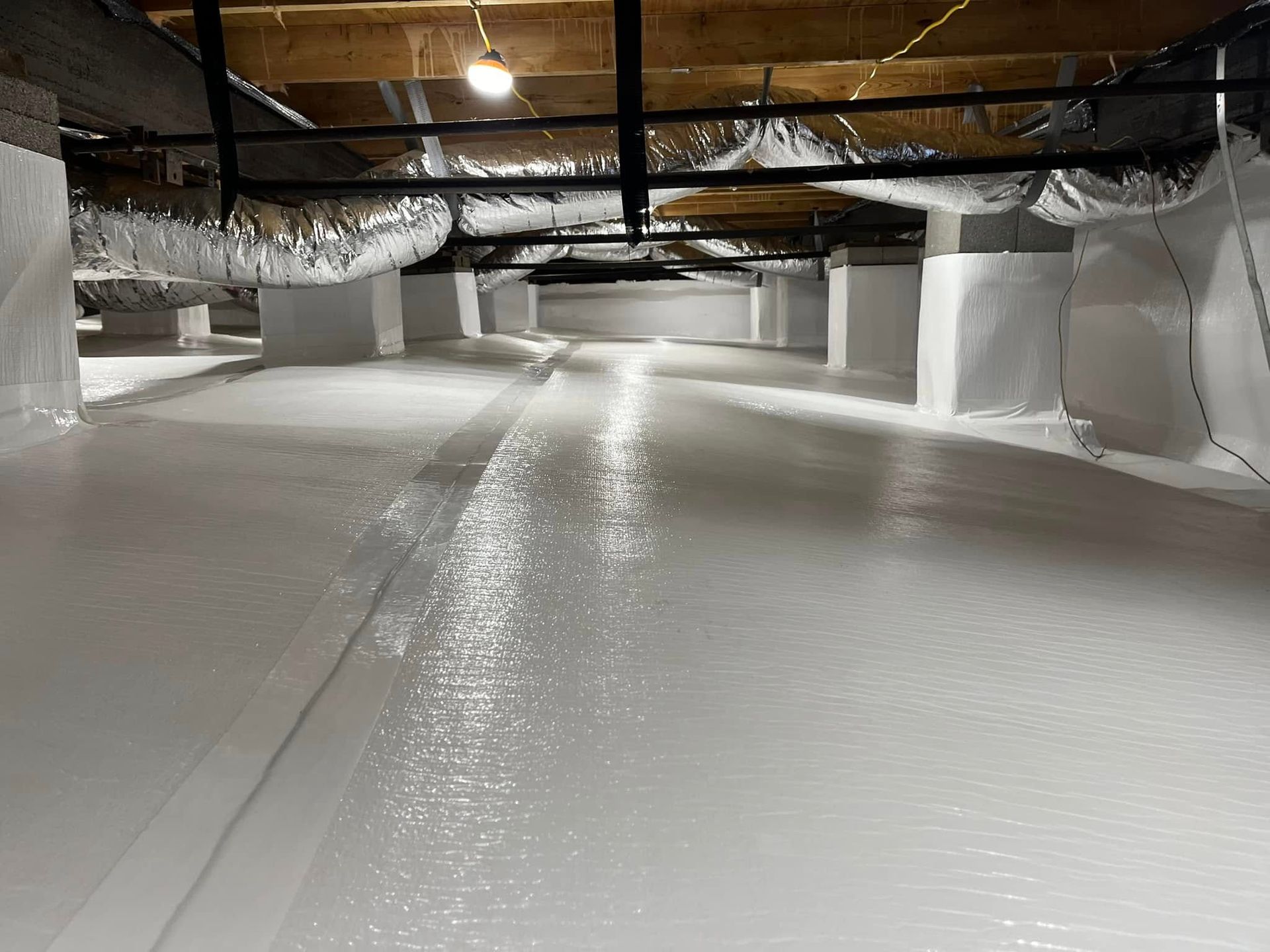
These homes weren't built wrong for their time—they just weren't built with what we now know about crawl space health. The good news? These problems are fixable. Drainage if there's standing water. A heavy-duty vapor barrier that's actually sealed and secured. A dehumidifier to control humidity year-round. Sometimes structural support if joists have sagged.
If Your Home Was Built Before 1950 (Downtown and Historic Areas)
This is when Mattoon grew significantly. The north side neighborhoods, the west side expansion—most of Mattoon's housing stock comes from this era. Concrete block foundations and vented crawl spaces.
Here's what I always find: bouncy floors, especially in kitchens and bathrooms. You walk across the room and the floor gives. Dishes rattle in cabinets. Cracks forming in drywall. That's because homes from this era typically have 2x8 floor joists spanning 13 feet or more. Not enough support for a kitchen with cabinets, appliances, and people walking around.
Then there's the insulation. I pull out dozens of feet of nasty fiberglass—falling down, soaking wet, or pulled apart by rodents. It's not doing anything. And the humidity is always high in summer. Those vents that were supposed to help? They're making it worse. They let in Mattoon's humid summer air, which condenses on cool surfaces in your crawl space. Perfect conditions for mold.
Why? Building codes back then weren't as strict. Vented crawl spaces were considered best practice. We now know they do the opposite in humid climates.
Here's what fixes it: seal the vents, install structural support for sagging floors, address moisture with drainage or sump pumps, then install a dehumidifier. Remove that old fiberglass and install proper rim joist insulation.
If Your Home Was Built 1950-1980 (Most of Mattoon)
The newer homes in Mattoon—mostly on the west side—were built with better construction standards. Poured concrete foundations. Better materials. But newer doesn't mean immune to crawl space problems.
Many still have vented crawl spaces because that design persisted into the 2000s. Builders kept doing it because that's what they'd always done. I still find humidity problems in summer. Mold growth despite the home being relatively new. Energy efficiency issues—cold floors, high heating bills. Sometimes drainage issues from poor lot grading.
Why? Those vented crawl spaces still don't work, no matter how new the home is. Mattoon's humid summers overwhelm the ventilation.
The good news with newer homes is you usually don't need as much structural work. But you still need the same moisture control: seal the vents, install a dehumidifier, make sure you've got a proper vapor barrier.
If Your Home Was Built After 1980 (West Side Developments)
The Three Most Common Problems I Fix in Mattoon Homes
Standing Water or That Damp, Musty Smell
You've got water pooling in corners after it rains. Or the dirt down there is always damp, even in dry weather.
That musty smell won't go away no matter how much you clean upstairs.
- Here's why it happens in Mattoon:
The flat terrain means poor drainage. Spring rains and snow melt overwhelm inadequate systems. Higher water table areas—especially near the lake or the river—mean water has nowhere to go but under your house. The clay content in the soil holds water right against your foundation. - What it's doing to your home:
Rotting your floor joists and beams. Creating mold—that smell IS mold spores you're breathing upstairs. Attracting termites and pests. - How I fix it:
I find where water is actually entering. Not always obvious. Then I install drainage systems—French drains, sump pumps, or both. I fix exterior issues like grading and downspouts. I don't just pump out water. I stop it from getting in.
Bouncy, Sagging, or Squeaky Floors
Your floor bounces when you walk across the kitchen. Dishes rattle in cabinets. Cracks forming in drywall. Doors that stick or won't close right.
- Why it happens here:
Homes from the 50s-70s often have undersized joists. Moisture has weakened floor framing over time. Original support posts have settled or deteriorated. - What it's doing:
Putting stress on your entire floor system. It'll only get worse. It affects home value—inspectors always flag it. - How I fix it:
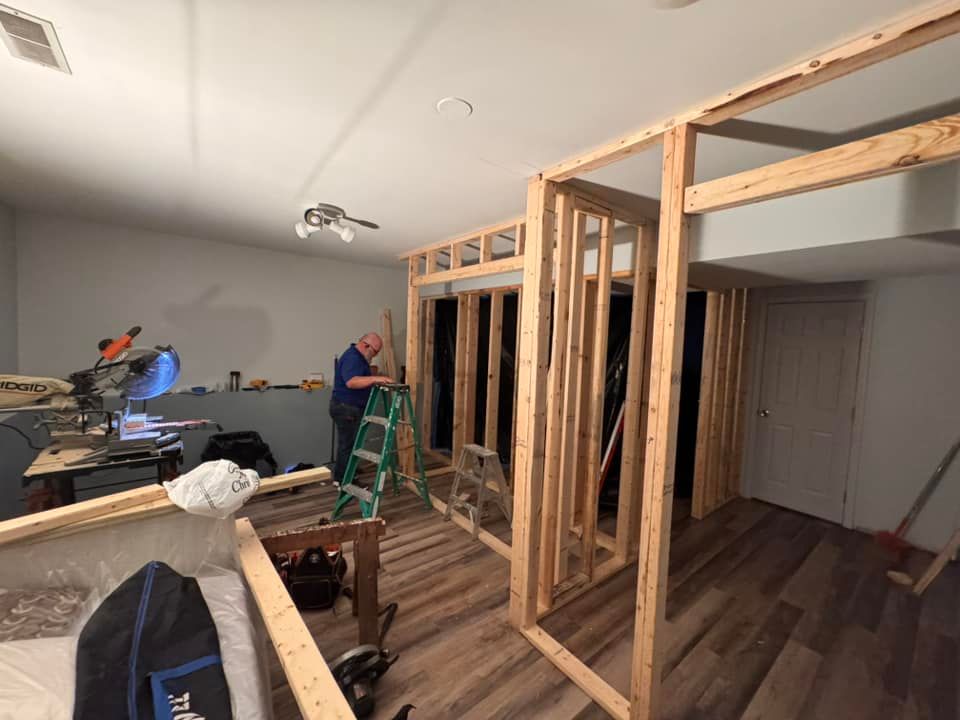
I install proper support beams and adjustable posts. I address the moisture that's weakening the wood first. I don't just jack up your floor—I fix why it's sagging.
Cold Floors and High Energy Bills
Your floors are freezing in winter even with the heat cranked up. Certain rooms are always colder than others. Energy bills are higher than they should be.
- Why it happens here:
Missing or failed insulation in your crawl space. Air leaking through rim joists—that's where your foundation meets your floor system. Vented crawl spaces letting in cold air. - What it's doing:
Your furnace is heating your crawl space, not your house. You're wasting money every single month. Your home is uncomfortable. - How I fix it:
Seal rim joists properly with spray foam or rigid foam insulation. Seal crawl space vents. I've seen people cut their energy bills 15-20% just from this.
The Honest Answer About Distance and Expertise
Local Crawl Space Expertise
Crawl space work requires specific expertise. I've got a background in HVAC, then worked for a foundation repair company, then started My Guys. I've been in hundreds of crawl spaces across Central and East-Central Illinois. I know Mattoon's soil, water table patterns, and housing stock.
Crawl Space Inspection
I'm not just looking at moisture. I'm checking your HVAC condensate lines because of my HVAC background. I'm spotting plumbing leaks before they become major problems. I'm identifying electrical hazards. Most crawl space companies don't have that background—I do.
Dedicated Job Scheduling
Because we're making the drive, we schedule Mattoon jobs on specific days. That means when we're there, we're focused on your job until it's done. We work consecutively until completion. We don't disappear for a week and come back—you won't be chasing us down.
Real Experts, Fair Pricing
You could call one of the big national companies. They'll send a salesperson who's never been in a crawl space. They'll quote you $25,000 for work you might not need. Then they'll subcontract the installation to a crew they've never met. We're the middle ground—specialists who actually do the work, priced fairly.
Honest, Faith-Driven Service
Our faith guides how we treat people. If you don't need something, I won't sell it to you. When you call, Chris or I answer the phone personally—no call centers.
Here's How It Actually Works
We sit down first—I need to understand what you're noticing. Then I do a complete crawl space inspection, usually takes one to two hours. You can watch via video stream if you want to see what I'm seeing. Same-day findings—I don't leave and make you wait a week for a quote.
We build the solution together based on your goals. Forever home? We focus on long-term prevention. Selling soon? We prioritize what matters for inspection reports. You'll understand exactly what we're recommending and why.
Most jobs take two to four days. We protect your home, work consecutively, update you throughout. Complete cleanup when we're done.
We schedule follow-up visits to make sure everything's working. When you call us later, you get Chris or me—not a call center.
Ready to Figure Out What's Happening Under Your Home?
Call us or fill out the form below. Chris or I will answer personally.
We'll schedule an inspection and give you same-day findings.
No pressure—just honest answers about what's happening under your Mattoon home.