How Crawl Space Mold Affects Your Health
When Mold Makes You Sick in Your Own Home
Loading up the trucks this morning for a job that can't wait. 140 feet of drainage tile. Sump pump. Full encapsulation materials. Commercial dehumidifier. Everything we need to solve a severe mold problem.
But here's what stopped me when I talked to this customer: her voice is raspy. Not from a cold or allergies—from mold exposure. She's been getting sick in her own home, breathing air contaminated by what's growing under her house.
This isn't an abstract problem or a worst-case scenario we're making up to scare people. This is happening right now to someone here in our community. And we're going to fix it.
Over the next few days, we're documenting this transformation. From mold-infested crawl space to clean, sealed, healthy foundation. This is what it actually takes to solve a problem this serious.
The Connection Most People Miss
Here's what most homeowners don't realize: about 50% of the air you breathe upstairs comes from your crawl space.
Think about that for a second. Half the air in your living room, your bedroom, your kids' rooms—it's being pulled up from whatever's happening beneath your house.
If your crawl space has mold growing because of moisture problems, you're breathing those spores every single day. They're circulating through your HVAC system, settling on surfaces, getting into your lungs.
The scary part is how gradual it is. You don't wake up one day suddenly sick from mold. It builds over time. You start thinking you've got allergies. Or you're tired more often. Or you've developed asthma out of nowhere. You blame pollen, stress, getting older—anything except your house.
Meanwhile, the actual problem is under your feet, getting worse every day because moisture keeps feeding it.
This customer's raspy voice didn't happen overnight. It's the result of breathing contaminated air for months, maybe years. That's what untreated crawl space mold does.
What Mold Exposure Actually Does to Your Body
Mold doesn't affect everyone the same way. Some people are more sensitive than others. But when exposure is constant and the concentration is high, almost everyone will eventually have symptoms.
Respiratory issues are usually first. Coughing, wheezing, that raspy voice our customer is dealing with. Your lungs are trying to protect themselves from something that shouldn't be in your air.
Then there's the fatigue. Not just "I'm tired"—the kind where you can't figure out why you have no energy. Brain fog where you can't focus. Persistent sinus problems that never quite go away.
Skin reactions show up for some people. Rashes, itching, irritation with no clear cause.
And if you already have asthma, allergies, or any kind of immune system issue, mold exposure makes everything worse. Your body's already working overtime, and now it's dealing with constant contamination in your home environment.
The difference between minor exposure and what this customer is experiencing comes down to time and concentration. A little mold in one corner of a bathroom? Annoying, but probably not making you seriously sick. Mold growing throughout an entire crawl space, sending spores into your air system for months or years? That's when you start seeing real health impacts.
When your symptoms are affecting your voice, your breathing, your daily life—that's not minor anymore. That's your body telling you something is seriously wrong with your environment.
Why This Job Required a Complete System
You can't just spray something on mold and call it solved. If you don't fix the moisture problem causing it, the mold comes right back.
That's why we're bringing 140 feet of drainage tile to this job. We need to redirect water away from the foundation before it ever gets near the crawl space. That's addressing the problem at the source.
The sump pump handles any water that does manage to get in. When you've got groundwater issues or a high water table, you need a way to actively remove water before it sits there creating humidity.
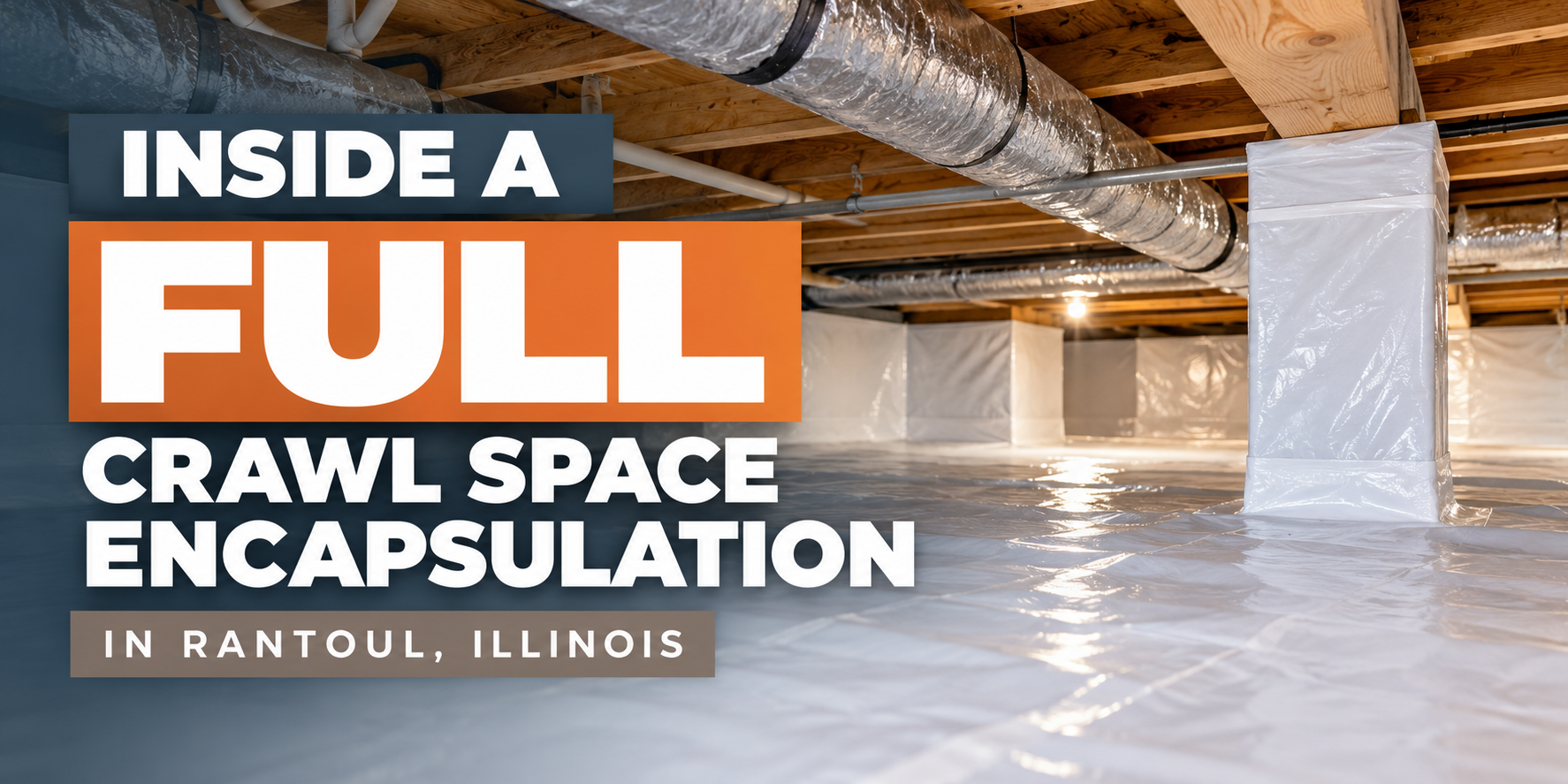
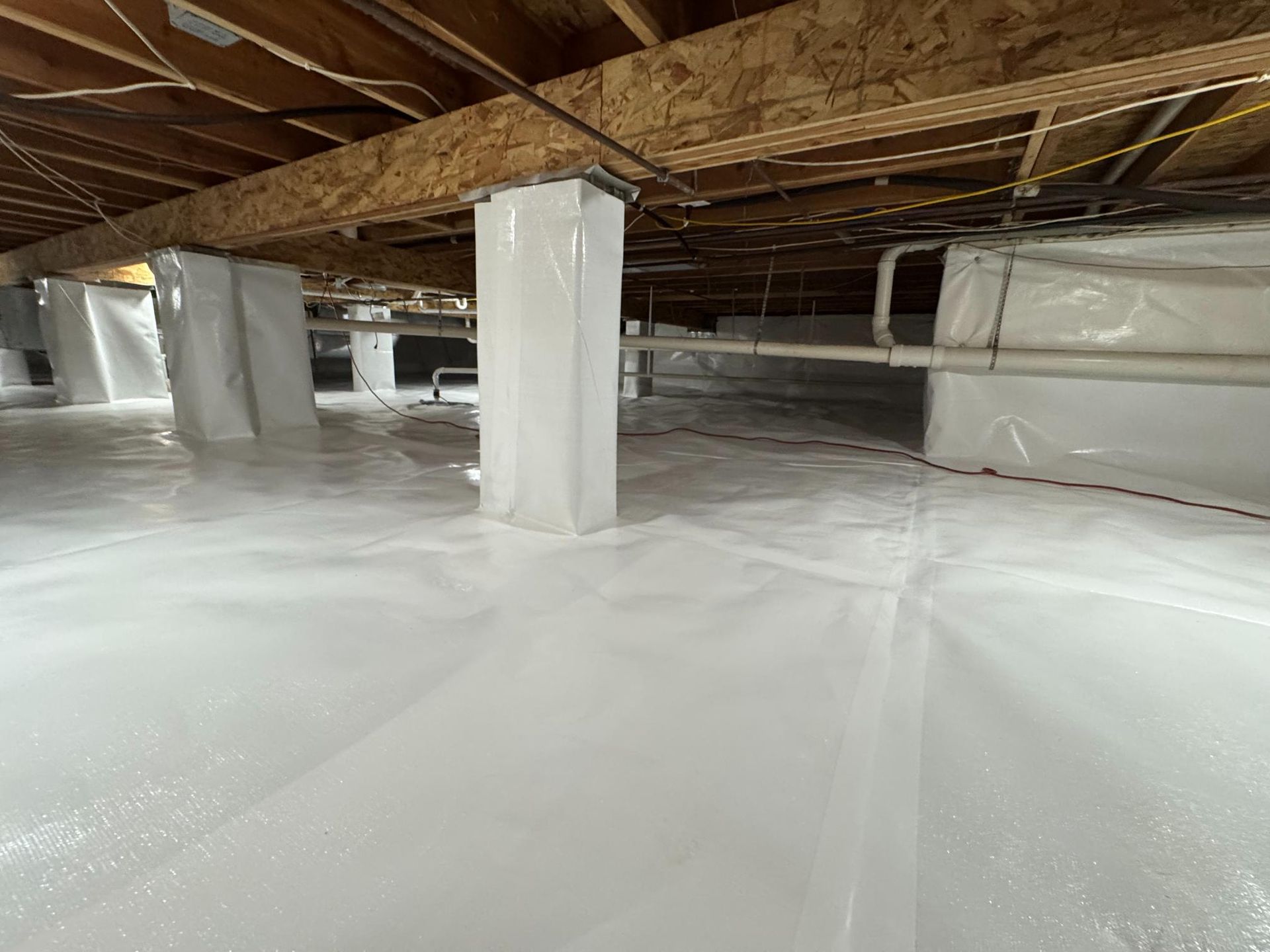
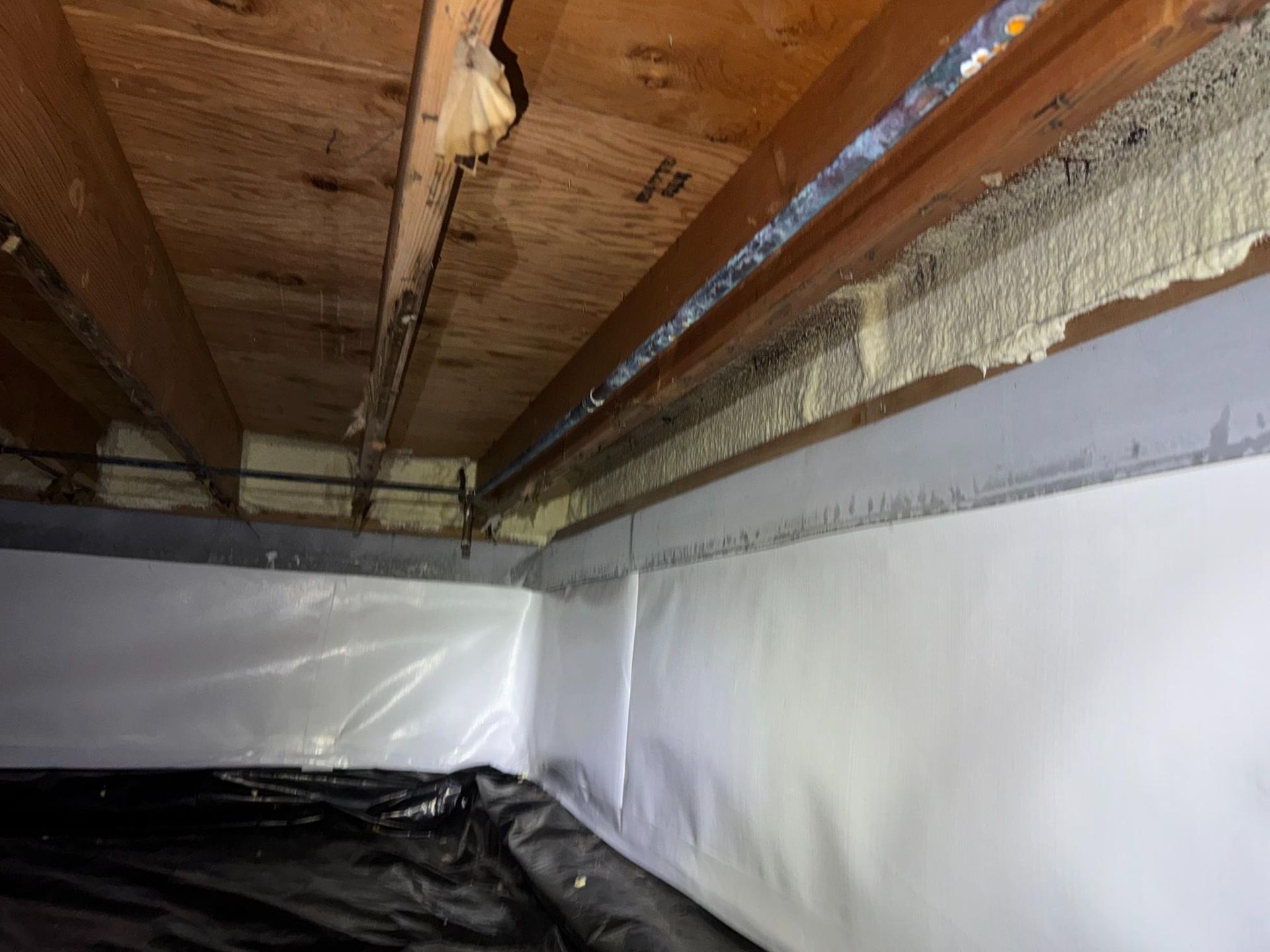
Full encapsulation seals the entire crawl space from ground moisture. That vapor barrier isn't just covering the floor—it's going up the walls, sealing all the vents, creating a controlled environment that moisture can't penetrate.
And the dehumidifier keeps humidity levels where they need to be long-term. Even with everything else in place, you need active humidity control to maintain a healthy environment.
Skip any one of these components, and you're leaving the door open for moisture to return. And where there's moisture, mold will eventually follow.
This isn't us upselling unnecessary work. This is what it actually takes to solve a severe mold problem and make sure it doesn't come back. Band-aids don't work here. You need a complete system that addresses every entry point for moisture.
That's what we're installing this week.
What "Severe Mold Problem" Actually Means
Mold doesn't get severe overnight. It takes time, consistent moisture, and nobody addressing the problem.
This customer's crawl space has probably had moisture issues for years. A little water here and there. High humidity. Maybe some standing water after heavy rains. Each time, the conditions got better for mold and worse for the home.
By the time someone calls us about mold, they're usually seeing visible growth or smelling that unmistakable musty odor. But the health symptoms? Those often started long before the visible signs.
This customer waited until her voice was affected. Until she couldn't ignore that something in her home was making her sick. That's not unusual—most people want to believe it's not that bad, or they're hoping it'll somehow get better on its own.
It doesn't get better. Mold problems compound. More moisture means more growth. More growth means more spores in your air. More spores means worse health effects.
"Severe" means the problem has progressed beyond a small patch you can clean up yourself. It means the conditions that caused it are entrenched. And it means the health impact is undeniable.
Red Flags Your Crawl Space Might Be Affecting Your Health
Here are the signs that what's happening under your house is affecting you upstairs:
You notice a musty smell that never goes away, no matter how much you clean or use air fresheners. That's mold spores in your air.
Your symptoms get better when you leave the house for a few days. If you feel fine on vacation but terrible at home, your house is likely the problem.
You've got respiratory issues—coughing, wheezing, congestion—that doctors can't explain or that don't respond to normal treatment.
The air in your house always feels damp or humid, even when it's not particularly humid outside.
Multiple people in your home are experiencing similar symptoms. When it's everyone, it's probably environmental.
You've found mold in other areas like bathrooms or basements. If it's growing where you can see it, it's probably growing where you can't.
If any of these sound familiar, don't wait until you're losing your voice like this customer. The longer mold grows, the worse it gets and the more expensive it becomes to fix properly.
The Transformation We're Creating This Week
Over the next few days, we're taking this mold-infested crawl space and turning it into a clean, sealed, healthy environment.
The drainage tile goes in first—redirecting water away from the foundation. Then the sump pump installation to handle any water that does get through. After that, we'll remove all the contaminated materials and debris.
Once the space is clean, we install the vapor barrier for full encapsulation. Walls, floor, sealed vents—the whole system. Finally, the dehumidifier goes in to maintain proper humidity levels long-term.
For this customer, some improvements will be immediate. Once the mold source is removed and the air system is no longer pulling contaminated air from the crawl space, breathing gets easier pretty quickly.
But full recovery takes time. Her voice will gradually improve as her body stops dealing with constant exposure. The fatigue will lift. The symptoms that have been affecting her daily life will fade.
That's what makes this work worth doing. We're not just fixing a crawl space. We're giving someone their health back.
Book A Free Inspection Now
Your crawl space problems aren't going to fix themselves. But they are fixable. Let's get it done — the right way, permanently.
Or call us directly (217) 863-9559
Is Your Home Making You Feel Sick?
Whether your crawl space is 200 square feet or 2,000, we'd love to take a look and give you an honest assessment of what you need.
No job is too small to matter. No project gets less attention because of its size. You'll get the same quality work, the same materials, and the same care regardless.
Give us a call or reach out anytime. Chris or I will answer personally, and we'll set up a time to come out and walk through your crawl space with you.