
Encapsulation Without a Dehumidifier Isn't Encapsulation

Jeff Robinson • September 9, 2026

When a homeowner finally makes the call, something shifts.


We come out and do a thorough inspection. We get under the home and look at everything — and we show you what we're seeing in real time so there are no surprises when we sit back down with you. You'll know exactly what's down there. You'll know exactly what it takes to fix it. And you'll have a clear picture of what your home looks like after the work is done.


No pressure. No scare tactics. Just an honest look at what's happening and a straightforward plan to address it.


Most homeowners tell us the same thing after that first visit.


They wish they hadn't waited as long as they did.

Sealing a Crawl Space Is Only Half the Job

Sealing up a crawlspace sounds simple. Cover the dirt, seal the walls, done. But sealing is only half the job. If you skip the other half, you can end up with a "finished" crawlspace that's actually worse off than before anyone touched it.


That's exactly what happened in a home Jeff walked through recently.

What "Encapsulated" Is Supposed to Mean

Encapsulation is supposed to protect a crawlspace from moisture. The idea is simple: seal out the damp air and ground moisture that cause mold, rot, and rust.


But sealing a space doesn't remove the moisture that's already inside it. It just traps it. Without something actively pulling that moisture back out, you haven't solved the problem. You've boxed it in.


That "something" is a dehumidifier.

What Was Missing

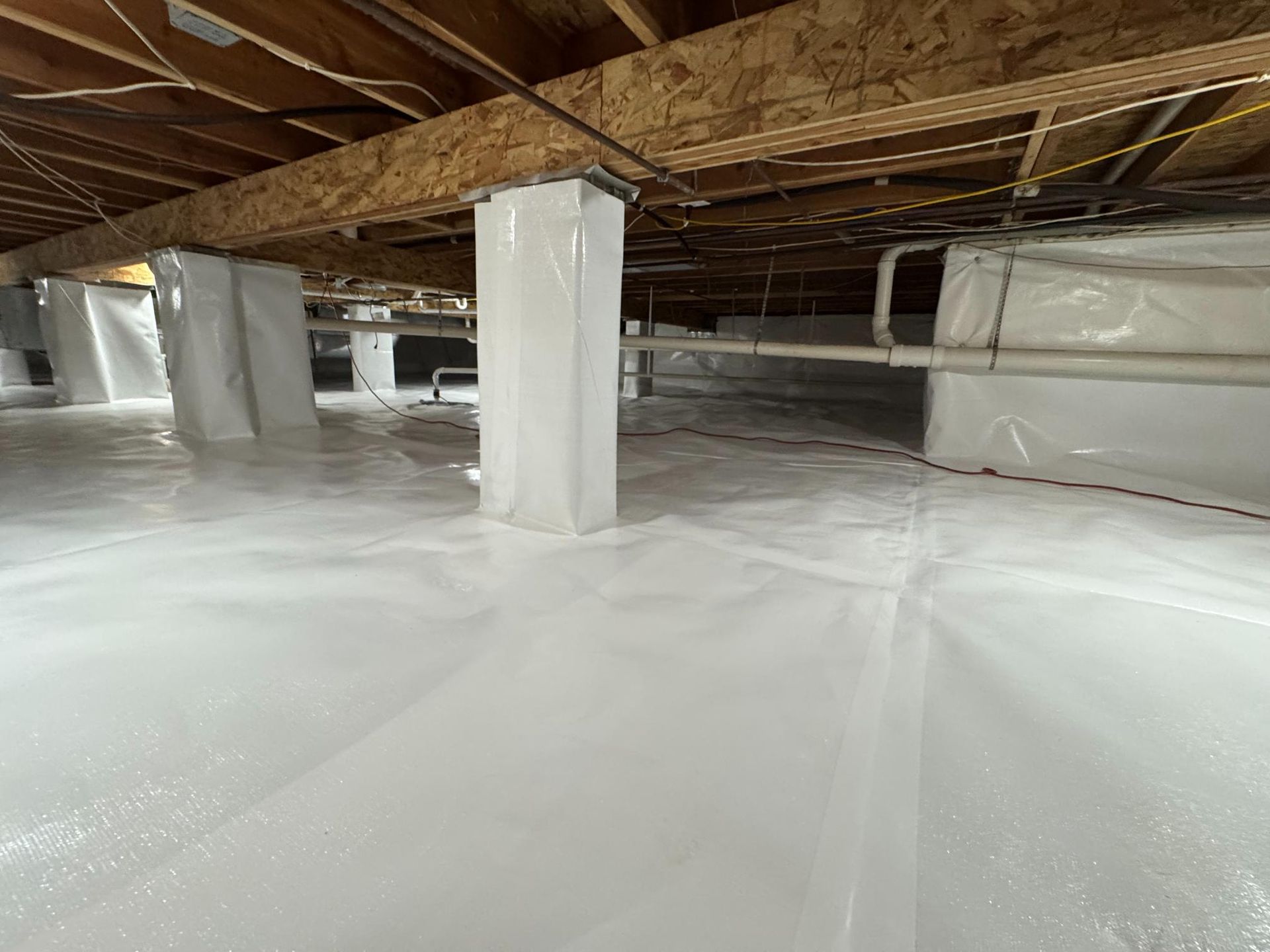
In this home, the crawlspace had been encapsulated. The plastic was down. It looked done.


But there was no dehumidifier running down there. And on top of that, moisture was still finding its way in from outside. So the space had all the humidity of an unsealed crawlspace, with none of the airflow that might have let some of it escape naturally.


The result was extreme humidity, trapped with nowhere to go.

A crawl space with white plastic vapor barrier covering the ground and wrapping around the support pillars and walls.

The Proof Was Right There

You didn't need special equipment to see something was wrong. The signs were sitting in plain view.


Mold in the joist pockets. The wood framing along the main beam and subfloor had a considerable amount of mold growing on it. That's wood sitting in constant moisture, exactly what encapsulation is supposed to prevent.


Rust on the AC unit. The bottom of the HVAC plenum — the metal box connected to the air conditioner — was covered in rust. That rust comes from condensation. Here's why: when the air conditioner kicks on, it pushes cold air out through the ductwork. That makes the plenum one of the coldest surfaces in the whole crawlspace. In a space packed with humid air, the moisture in the air condenses on that cold metal, the same way water beads up on a cold glass of iced tea. Over time, that constant condensation rusts the metal.


Both problems trace back to the same root cause: humidity that had no way out.

Book A Free Inspection Now

Your crawl space problems aren't going to fix themselves. But they are fixable. Let's get it done — the right way, permanently.

Or call us directly (217) 863-9559

See What's Actually Happening in Your Crawlspace

The only way to know whether your crawlspace was done right is to actually look at it. That's why every inspection starts with a real conversation about what you're seeing and worried about, followed by a thorough walk-through of the space itself. If you'd like, we'll stream it live to a laptop in your living room so you can see exactly what we see, in real time, no guessing involved.


If you're not sure whether your encapsulation is doing its job, reach out and let's take a look together. It's better to find out now than after the mold shows up.

Based in

Mahomet, Illinois Serving all of Central Illinois.

Business Hours

Mon Fri - 8am to 5pm

Sat Sun - Closed

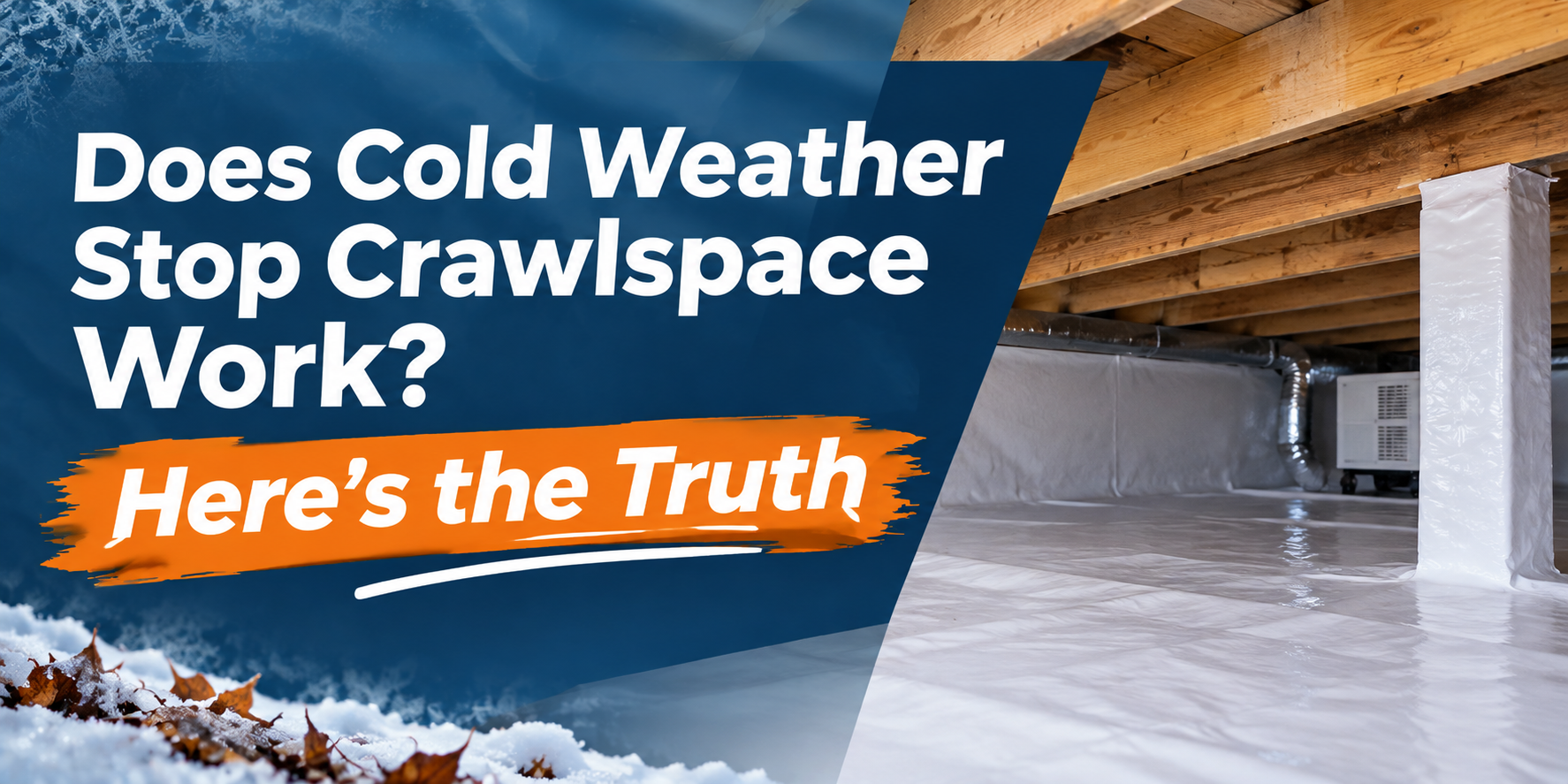
Graphic asks, “Does cold weather stop crawlspace work?” over a split view of a wooden crawlspace and a snowy outdoor scene.
By Jeff Robinson • November 23, 2026
Every year, around this time, we hear the same question. "How late can we go before it's too cold to work?"
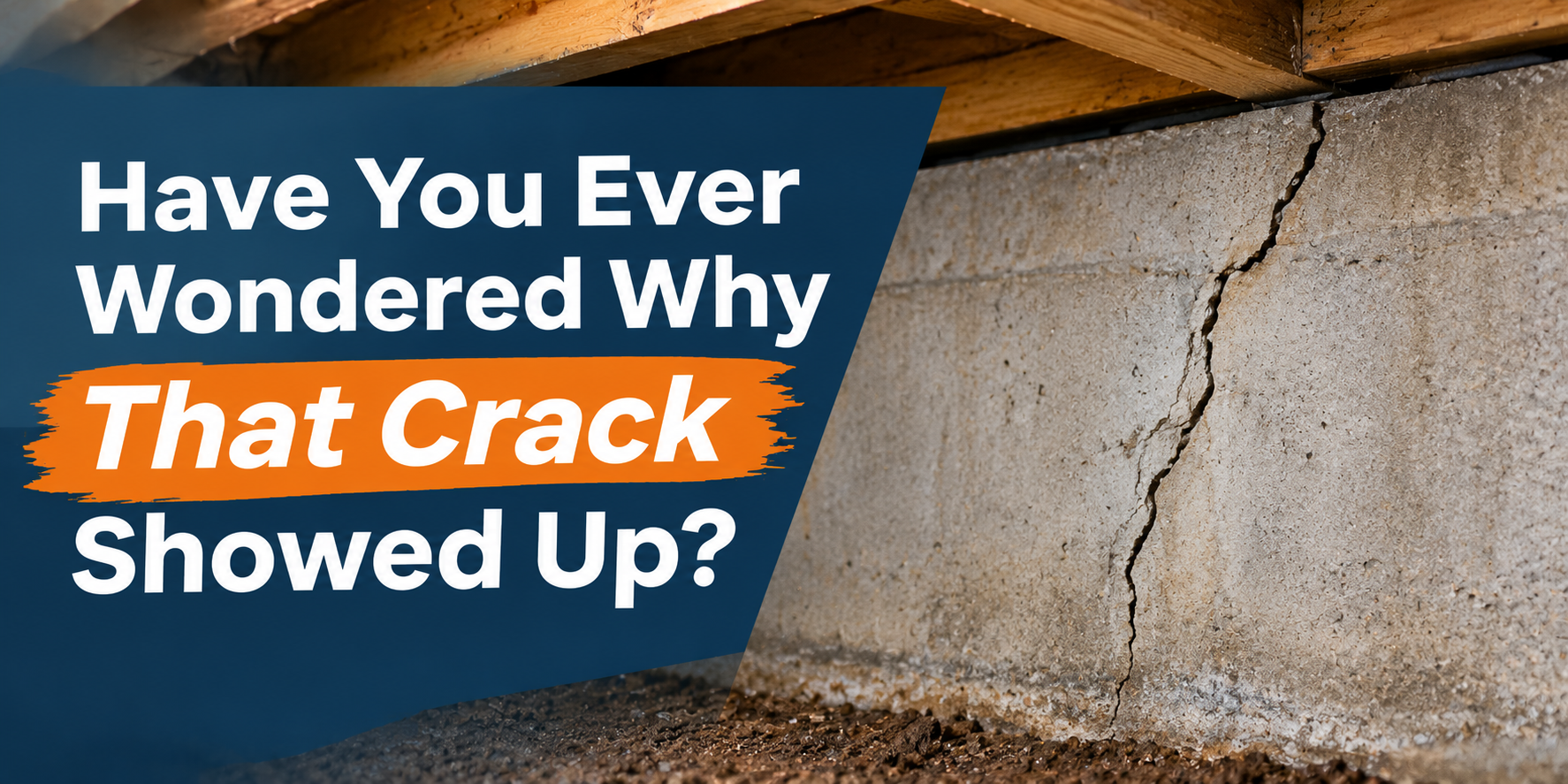
Crack in a concrete wall beneath a wooden roof, with text asking, “Have you ever wondered why that crack showed up?”
By Chris Burdette • November 23, 2026
Most homeowners see a crack in the corner of a wall and think the same thing: the house is just getting old. It's an easy assumption. Houses settle. Walls shift. That's normal, right?
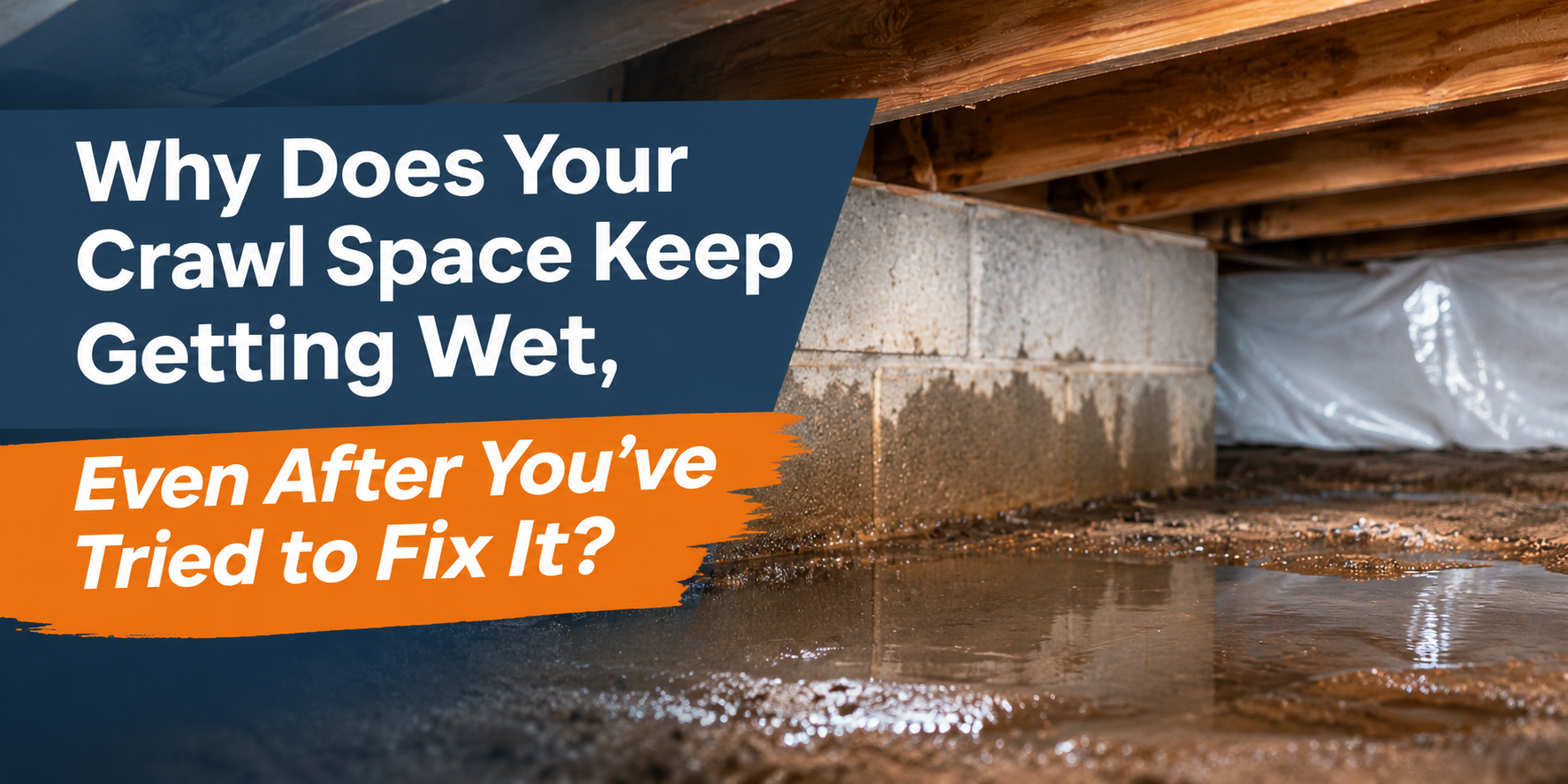
Promotional banner showing a flooded crawl space beneath a house, with text asking why it stays wet after repairs.
By Jeff Robinson • November 23, 2026
Every other canvas so far has had to make room for the anthropological angle alongside something else — the reel had footage to work around, the blog had structure to build, GBP will have to balance local/functional needs. The tweet has none of that. No image, no structure, no job-site proof needed. It's just the belie