The One Thing Every Homeowner Deserves from Their Contractor
Keeping Our Word
Heading home after a long day installing a fence. In the heat. Outside our expertise now. On a job we wouldn't take today if you called and asked.
So why did we do it?
Because we committed to it before we shifted our focus to crawl space work. And one of our core values is simple: we complete what we start.
That might not sound revolutionary. But if you've ever hired a contractor who disappeared mid-project, showed up sporadically for weeks, or just stopped returning calls after they got halfway done—you know how rare it actually is.
Every homeowner deserves a contractor who finishes what they start. Not just eventually. Not just when it's convenient. Actually finishes it—to your complete satisfaction.
That's the bare minimum. And somehow, it's become the exception.
Why We Don't Do Fence Work Anymore
We started My Guys as a handyman service back in 2024. I was coming out of a non-compete from the crawl space industry, and we needed to pay the bills. So we did everything—ceiling fans, electrical outlets, plumbing repairs, and yes, fences.
And we did fine work. But "fine" isn't the standard we wanted.
Once the non-compete lifted, we could focus on what we're actually experts at: crawl space encapsulation, floor supports, moisture control, drainage systems. The work I'd spent over a decade learning inside and out.
Narrowing our focus was one of the best business decisions we've made. When you specialize, you can deliver exceptional results instead of just adequate ones. You know the problems you'll encounter before you encounter them. You've solved the same issue a hundred times and know the right fix, not just a fix.
But here's the thing about transitioning your business: you still have commitments you made before the shift. And you don't get to bail on those just because you've changed direction.
So Why Did We Finish This Fence?
We had already committed to this customer before we decided to stop offering fence installation. They trusted us to do the work. They planned around our timeline. They paid a deposit based on our word that we'd get it done.
So we got it done.
Was it hard? Yeah. Hot day, precise measurements, digging post holes, making sure everything's level and secure. We're not fence experts anymore—that's not where we're focusing our skills. It would've been easier to refer them to someone else or just let it slide.
But that's not how we operate.
When we tell a homeowner we're going to complete their project, we mean it. Even when it's uncomfortable. Even when it's outside our current focus. Even when it's a project we wouldn't take on today.
This is what separating us from contractors who bail mid-project or only show up when it's convenient for them. A commitment isn't a suggestion. It's not something you honor only when it's easy.
We told this Mahomet customer we'd install their fence. So we installed their fence—to their complete satisfaction. Because that's what you do when you give someone your word.
And honestly, that fence job reminded me why integrity matters more than convenience. Our reputation here isn't just business. It's personal. These are our neighbors.
The Real Problem: Contractors Who Disappear
If you've ever hired a contractor, you've probably experienced this: they start strong, work for a day or two, then vanish.
Maybe they text saying they'll be back "next week." Then next week becomes two weeks. Then you're calling and getting voicemails. Meanwhile, your project sits half-finished. Materials scattered around. Work exposed to weather. You stuck in limbo.
This happens so often that homeowners almost expect it now. And that's depressing.
Why do contractors do this? Usually because they're juggling too many jobs, chasing the next deposit, or they hit a challenge and don't want to deal with it. So they bounce to an easier job and leave you hanging.
The excuses are always the same: "Supply chain issues." "Crew got pulled to an emergency." "Weather delays." Some are legitimate. Most aren't.
What it really comes down to is this: they don't prioritize finishing what they started. They prioritized starting the next thing.
And homeowners pay the price. You're stressed, frustrated, out money, and stuck with a half-done project you can't use. You can't hire someone else because the first guy technically didn't quit—he's just "coming back soon."
It's disrespectful to your home, your time, and your trust. And it's become so normal that when a contractor actually shows up consistently and finishes on schedule, people are genuinely surprised.
That shouldn't be surprising. It should be standard.
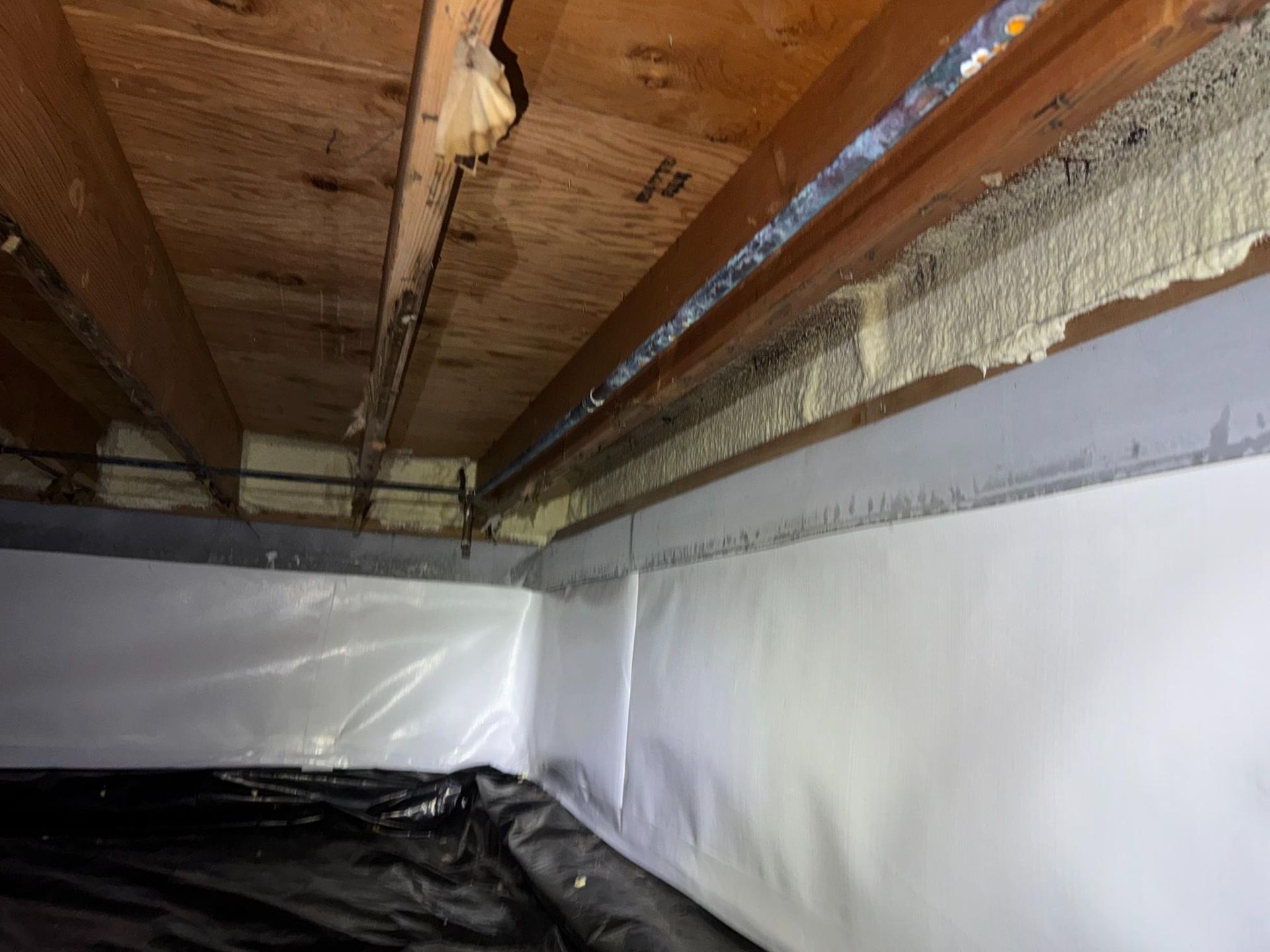
How to Know If Your Crawl Space Has Moisture Issues
If your floors bounce more in the summer than in the winter, that's a moisture problem.
If you've got a musty smell that seems to come from nowhere, or you notice your floors feel softer during humid months, that's your crawl space talking to you.
Visible condensation on the floor joists, damp insulation hanging down, or a general feeling of humidity when you open the crawl space access—all signs that moisture is the real issue, not just weak supports.
Here's the thing: bouncy floors are almost always a symptom, not the cause. The cause is usually moisture weakening the wood over time. Humidity gets into the crawl space, soaks into the joists, and slowly degrades their strength. Eventually, they start to sag or bounce under normal weight.
You can install jacks to support the weakened wood, and that helps. But if you don't control the moisture, you're just supporting wood that's going to keep getting weaker.
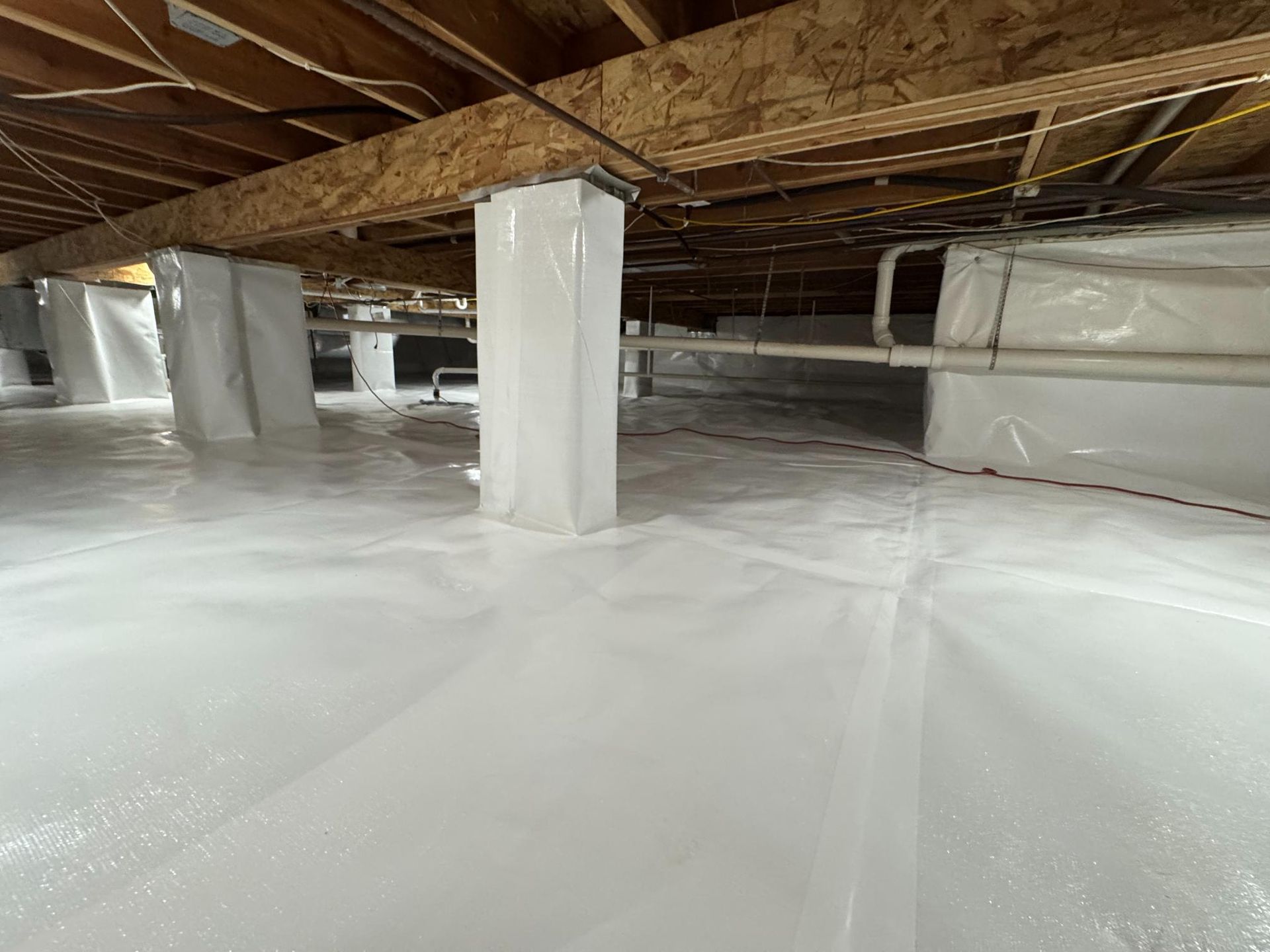
That's why floor support jobs and encapsulation work so well together. The jacks fix what's already happened. The encapsulation stops it from happening again.
What "Completing the Job" Should Mean
Here's what finishing a job actually looks like:
When we start your project, we work consecutively until it's done. Not one day here, back in a week, maybe next month. We're there each day until completion.
We don't leave your job to chase another deposit somewhere else. Your project gets our full attention until you're 100% satisfied with the result.
We communicate throughout. You know what's happening, when we'll be there, what to expect. No ghost mode. No mysterious delays.
And when we say we're done, we mean the job is actually complete—not just abandoned at "good enough." Clean worksite. Everything functional. Final walkthrough so you can see it's finished properly.
If something needs adjustment after we're paid, we handle it. Because standing behind our work isn't optional.
This shouldn't sound exceptional. This should be basic contractor behavior. But we've learned that actually doing these things—consistently, on every job—sets us apart.
That's why "we complete what we start" is a core value, not just a tagline. It guides how we schedule, how we communicate, and how we treat every homeowner who trusts us with their project.
How to Know Your Contractor Will Actually Finish
Before you hire anyone, ask these questions:
Will the owner be on site, or just managing from an office? Who actually does the work?
What's your typical timeline, and do you work consecutively or bounce between jobs?
Can I see recent local references—people in this area who can speak to your follow-through?
How do you handle communication during the project?
Red flags to watch for: vague timelines, pressure to pay everything upfront, reluctance to provide local references, or owners who never actually visit job sites.
Trust your gut. If a contractor seems more interested in closing the sale than understanding your project, that's telling you something.
And remember: the lowest bid often comes from someone who's planning to cut corners—including the corner of actually finishing your job.
Book A Free Inspection Now
Your crawl space problems aren't going to fix themselves. But they are fixable. Let's get it done — the right way, permanently.
Or call us directly (217) 863-9559
When We Say We'll Finish, We Mean It
If you're dealing with crawl space issues, floor problems, or need honest advice about what's happening under your home, reach out.
We'll come do a thorough inspection and explain exactly what we find. No pressure. No disappearing acts. Just Chris or me showing you what's going on and what we'd recommend.
And if we take on your project, you can count on this: we'll start when we say we'll start, we'll work consecutively until it's done, and we won't leave until you're completely satisfied.
That's our commitment to every homeowner in Mahomet and Central Illinois.