The Simple Check That Could Save You Thousands in Crawl Space Repairs
The Best Time to Check Your Crawl Space Costs Nothing
Rolling up to a job this morning in Mahomet, and it's raining. Perfect crawl space weather.
I know that sounds backwards, but here's the truth: if you're going to have water problems under your house, a rainy day is when you'll see them. Not next week when it's sunny. Not after the damage is already done. Right now, while it's actually coming down.
Most homeowners wait until they notice soft floors or smell mold upstairs before they check their crawl space. By then, you're looking at serious repairs—sometimes tens of thousands of dollars.
But there's a simple check you can do on the next rainy day that takes five minutes and costs nothing. And it might save you from a massive headache down the road.
Why Rainy Days Are Your Best Diagnostic Tool
Water problems don't show up on sunny days. They show up when it's raining.
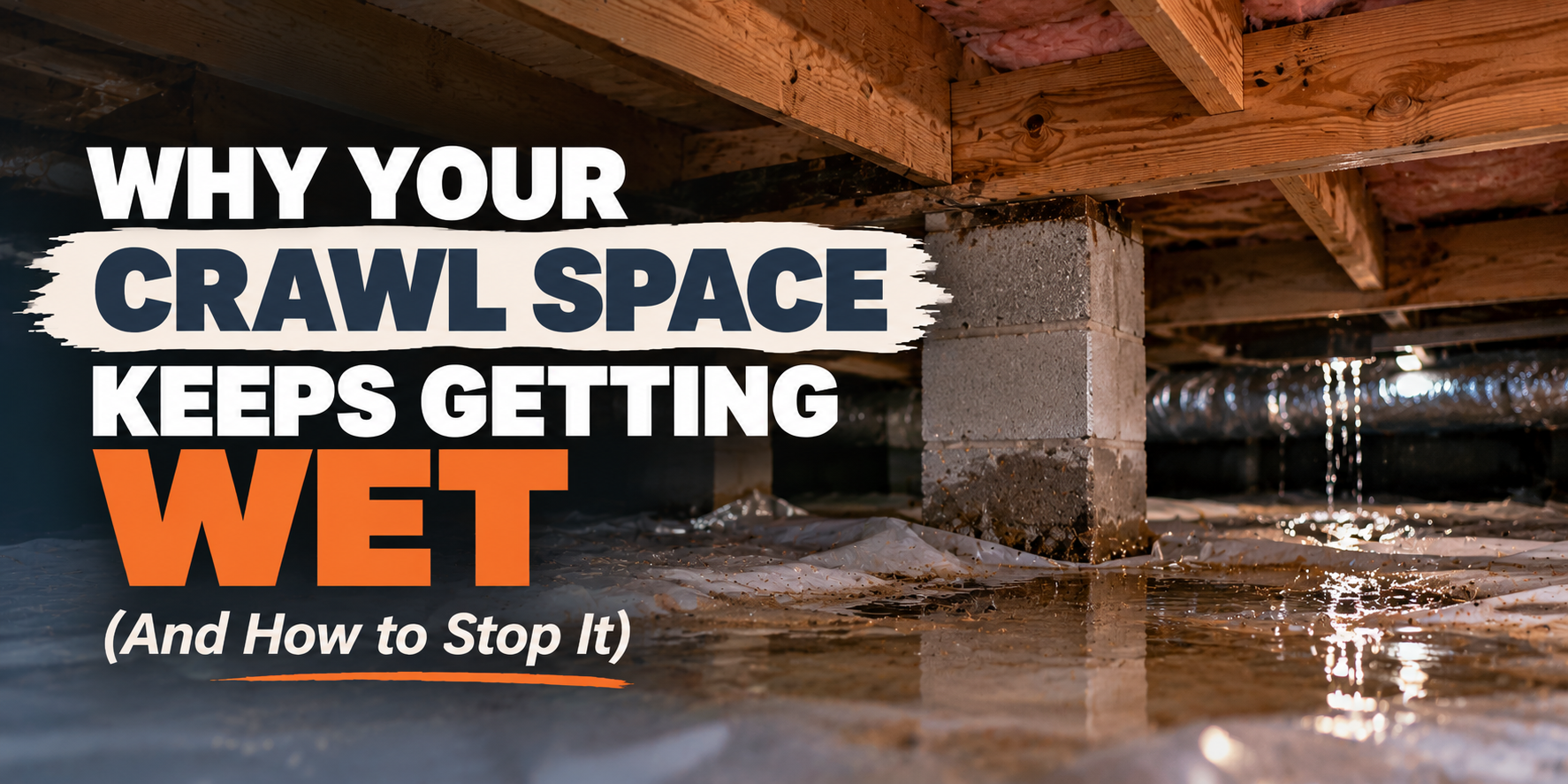
If you've got moisture getting into your crawl space, today's when you'll see it. Standing water. Damp spots. That musty smell that tells you something's wrong.
Here's what to do: grab a flashlight, pop open your crawl space access, and take a quick look. You don't need to crawl around down there—just stick your head in and check.
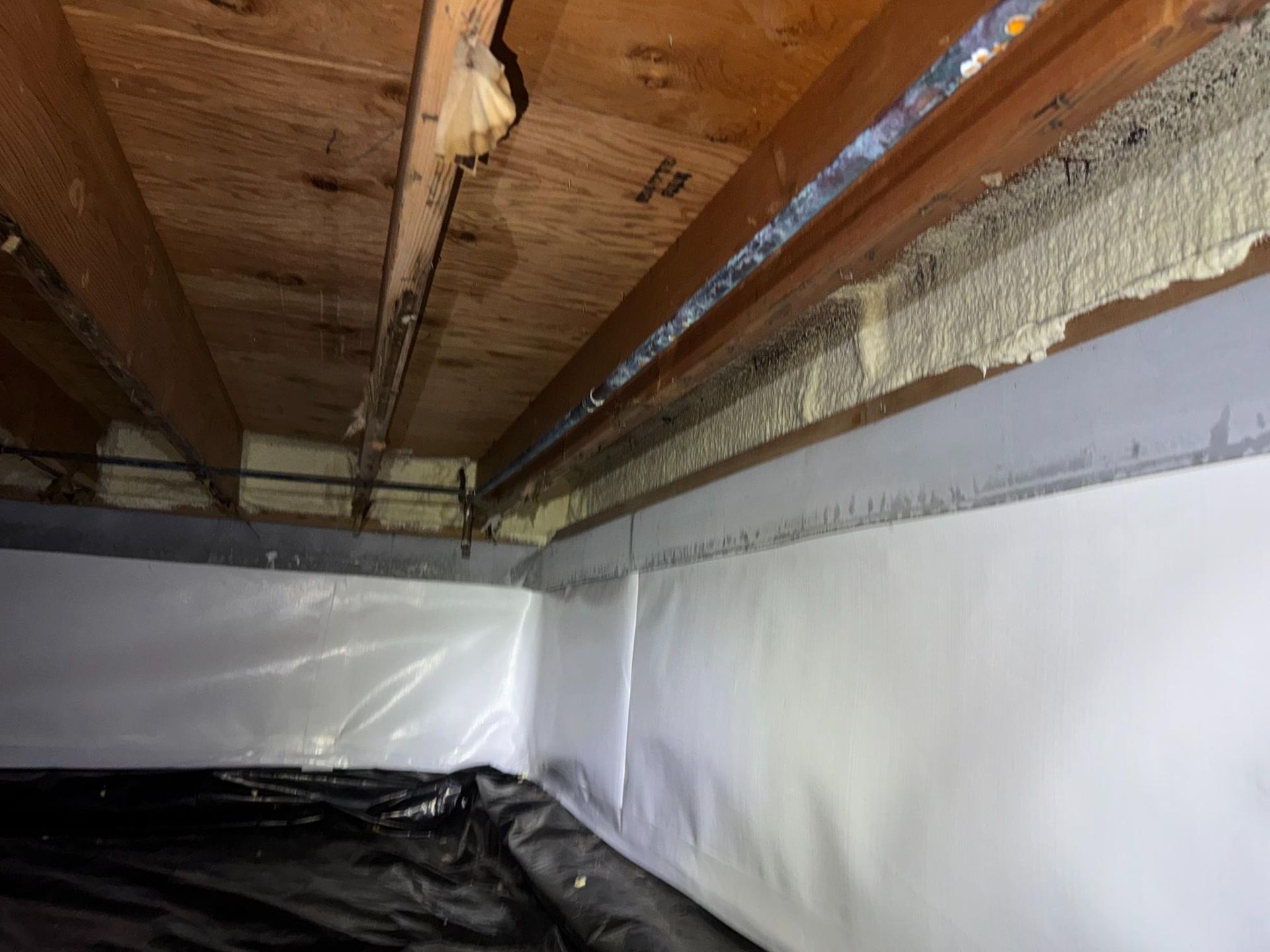
What are you looking for? Water pooling anywhere. Wet soil. Condensation on pipes or beams. A strong musty odor. Any of those signs mean water is getting in, and it's only going to get worse.
Most people wait for the "obvious" signs—floors that feel soft when you walk on them, mold smell coming up through the vents, humidity problems upstairs. But by that point, you're not catching a problem early. You're dealing with damage that's already happened.
The difference between catching it now and waiting six months? Sometimes thousands of dollars. Sometimes the difference between a simple fix and a major renovation.
Where Most Crawl Space Water Actually Comes From
Here's what a lot of crawl space companies won't tell you: most moisture problems don't start in your crawl space. They start outside your house.
Walk around your property on a rainy day and pay attention to where the water goes. Is it pooling next to your foundation? Are your downspouts dumping right beside the house? Is water running toward your crawl space instead of away from it?
On this Mahomet job, the homeowner had serious moisture in one corner of the crawl space. When we walked the property, the problem was obvious—downspout was releasing hundreds of gallons right next to that corner of the house. The water had nowhere to go except down along the foundation and into the crawl space.
That's not a crawl space problem. That's a drainage problem.
Most of the crawl space moisture issues we see in Central Illinois come from surface water that shouldn't be there in the first place. Downspouts positioned wrong. Poor grading that slopes toward the house instead of away. Gutters that overflow and dump water right at the foundation.
Fix those exterior issues, and a lot of times, the crawl space problem goes away completely. But most companies skip right past that and want to sell you the big interior solution—because that's where the money is.
The Fix That Costs Hundreds, Not Thousands
So what does fixing it look like?
For this house, we buried the downspout extension. We ran PVC pipe 20 feet out from the foundation and buried it almost two feet deep with drainage rock underneath.
Now when it rains, that water travels underground, away from the house, and disperses safely into the yard. No pooling. No sitting against the foundation. No seeping into the crawl space.
Cost for something like this? A few hundred dollars in materials and labor.
Compare that to a full interior crawl drain system with a sump pump, which can run $8,000 to $15,000 depending on the size of your crawl space and how bad the problem is.
Don't get me wrong—sometimes you need the interior system. Sometimes exterior drainage isn't enough, or the water table is high, or there are other issues going on. When that's the case, we'll tell you.
But here's the thing: we always start outside first. Because if we can solve your problem for $500 instead of $10,000, why wouldn't we?
A lot of contractors skip the exterior work. They want to go straight to the big installation because that's what makes them money. We'd rather solve your actual problem and earn your trust for the next job—and the referrals you send our way.
When You Need More Than Exterior Fixes
Sometimes burying a downspout isn't enough.
If you've got a high water table, if your lot doesn't drain well no matter what you do, or if there's water coming up through the ground itself, that's when we move to interior solutions.
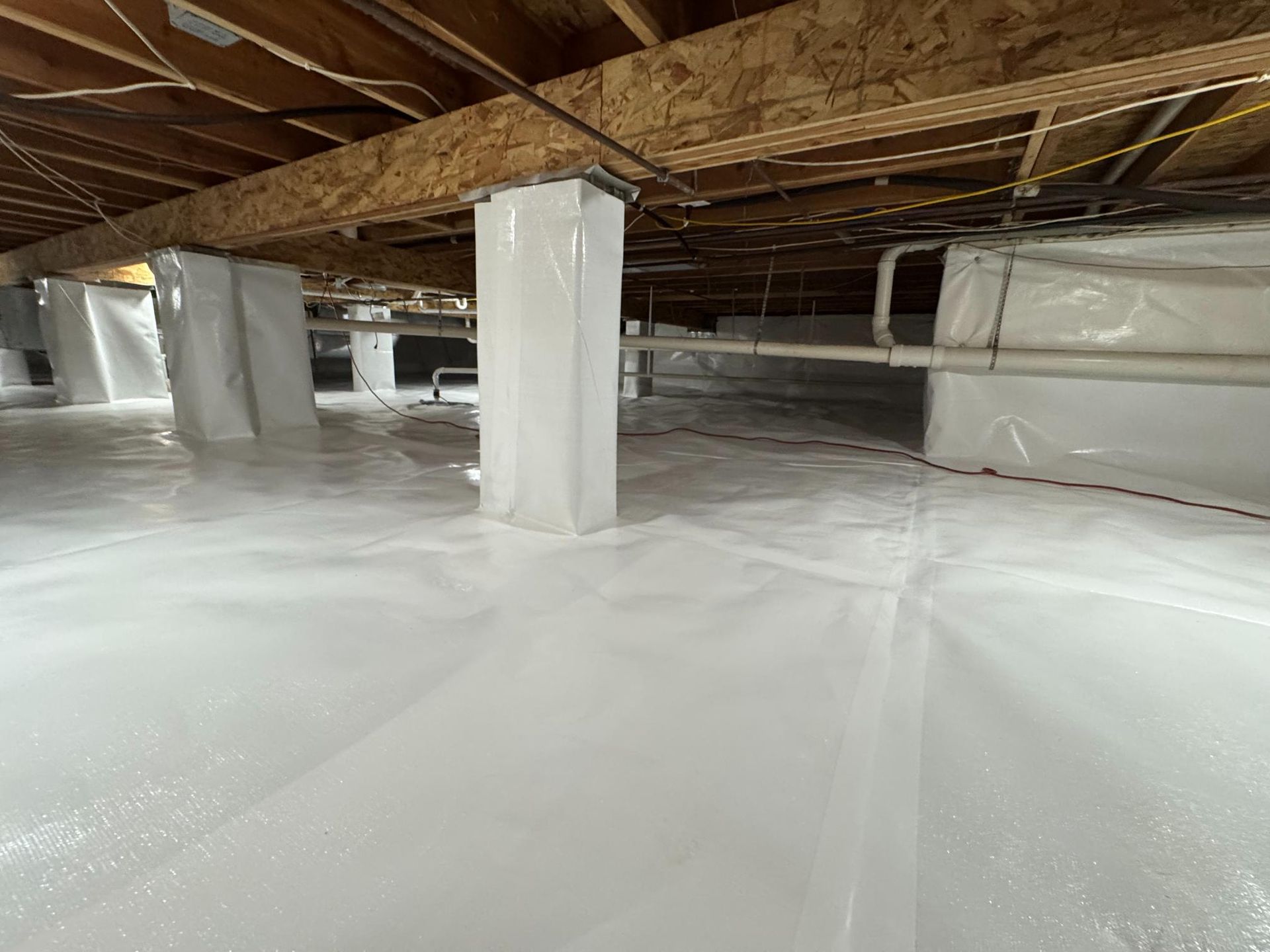
A crawl drain system is basically a perimeter drainage setup inside your crawl space. We install a filtered, perforated pipe around the edges that catches any water trying to get in. That water gets directed to a sump pump, which pushes it out and away from your house.
It's a bigger job, costs more, and takes more time. But when it's needed, it works.
The key is doing things in the right order: fix what you can on the outside first, then add interior systems if the problem persists.
Sometimes you need both. A house with serious drainage issues might need exterior work to reduce the volume of water, plus an interior system to handle what still gets through.
It's not about upselling. It's about solving the actual problem—and not doing more work than necessary to get there.
What to Do on the Next Rainy Day
Here's your action plan for the next time it rains:
First, make sure it's safe to access your crawl space. If your access point is outside, watch your step—it's slippery out there.
Pop open the access and shine a flashlight inside. You don't need to go all the way in, just get a good look from the opening.
Look for standing water anywhere in the space. Check if the soil looks wet or if there are damp spots. Notice any musty or moldy smell. Those are your warning signs.
While you're outside, walk around your house and watch where the water goes. Are your downspouts extended away from the foundation, or are they dumping right next to the house? Is water pooling anywhere near your crawl space access?
If you see water in your crawl space or notice drainage problems outside, it's time to call someone. Don't wait for it to get worse.
And when you do call a contractor, ask them about exterior drainage first. If they jump straight to selling you an interior system without even looking at your downspouts and grading, that's a red flag.
How We Approach Water Problems in Mahomet
When someone calls us about crawl space moisture, we don't show up with a one-size-fits-all solution.
We walk the property first. Where's the water coming from? How's it moving around your yard? What are your downspouts doing?
Then we look inside the crawl space and see what's actually happening. Sometimes it's a simple fix. Sometimes it's more involved. Either way, we're going to tell you the truth about what you need—not what makes us the most money.
Chris and I live here in Mahomet. We've been friends since fourth grade, and we've been taking care of homes in this community our whole lives. When we work on your house, we ask ourselves: would we do this to our own place?
If the answer's no, we're not doing it to yours either.
Book A Free Inspection Now
Your crawl space problems aren't going to fix themselves. But they are fixable. Let's get it done — the right way, permanently.
Or call us directly (217) 863-9559
Schedule Your Crawl Space Assessment
If you're dealing with crawl space moisture, musty smells, or you just want to know what's going on under your house, give us a call.
We'll come out and do a thorough inspection—inside and outside. We'll show you exactly what we find, explain what's causing it, and recommend the most cost-effective solution.
No pressure. No gimmicks. Just an honest assessment from someone who actually cares about doing the job right.
Reach out anytime. We're here in Mahomet, and we're ready to help.