The Two-Minute Check That Could Save Your Crawlspace
When a homeowner finally makes the call, something shifts.
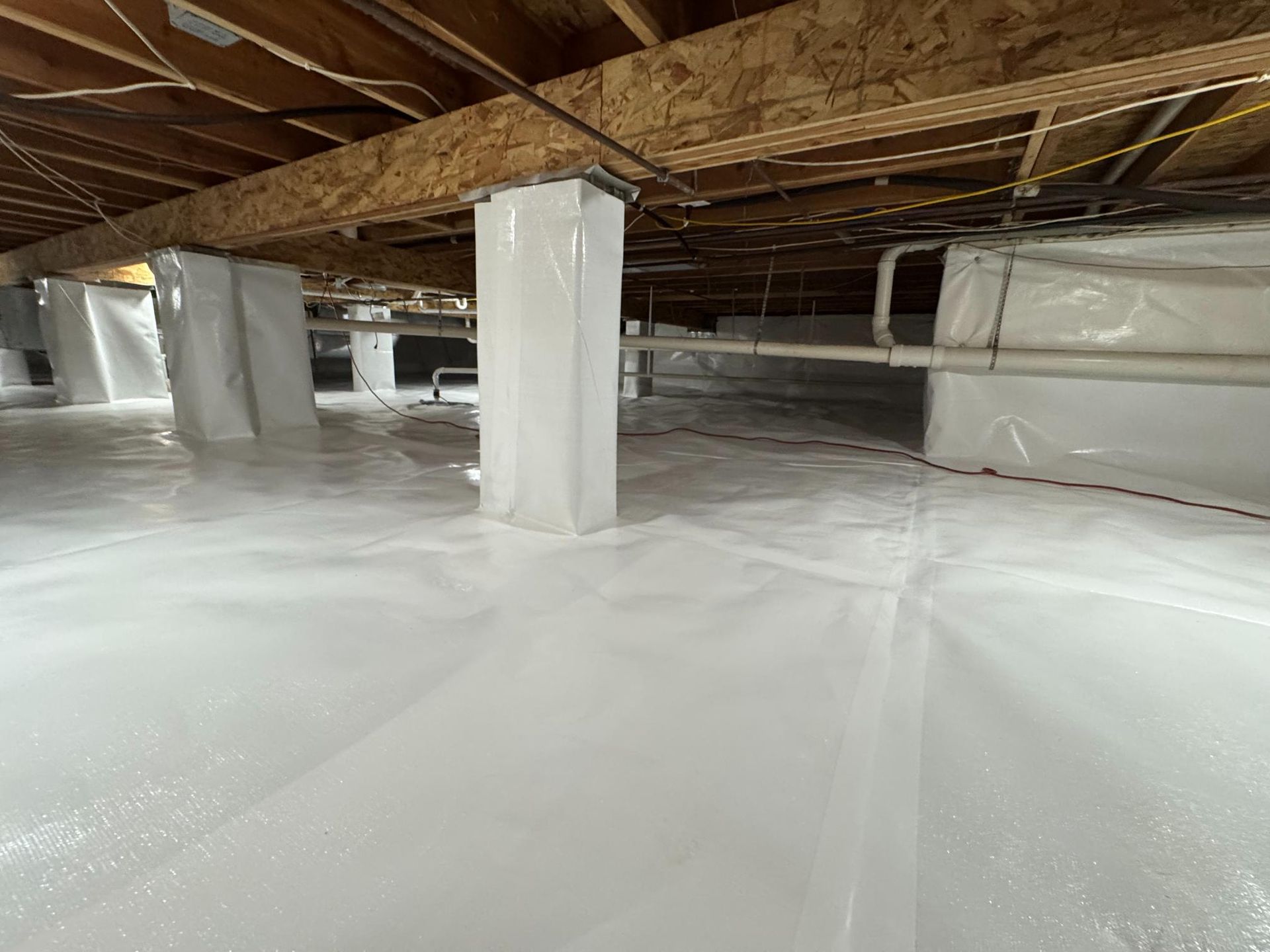
We come out and do a thorough inspection. We get under the home and look at everything — and we show you what we're seeing in real time so there are no surprises when we sit back down with you. You'll know exactly what's down there. You'll know exactly what it takes to fix it. And you'll have a clear picture of what your home looks like after the work is done.
No pressure. No scare tactics. Just an honest look at what's happening and a straightforward plan to address it.
Most homeowners tell us the same thing after that first visit.
They wish they hadn't waited as long as they did.
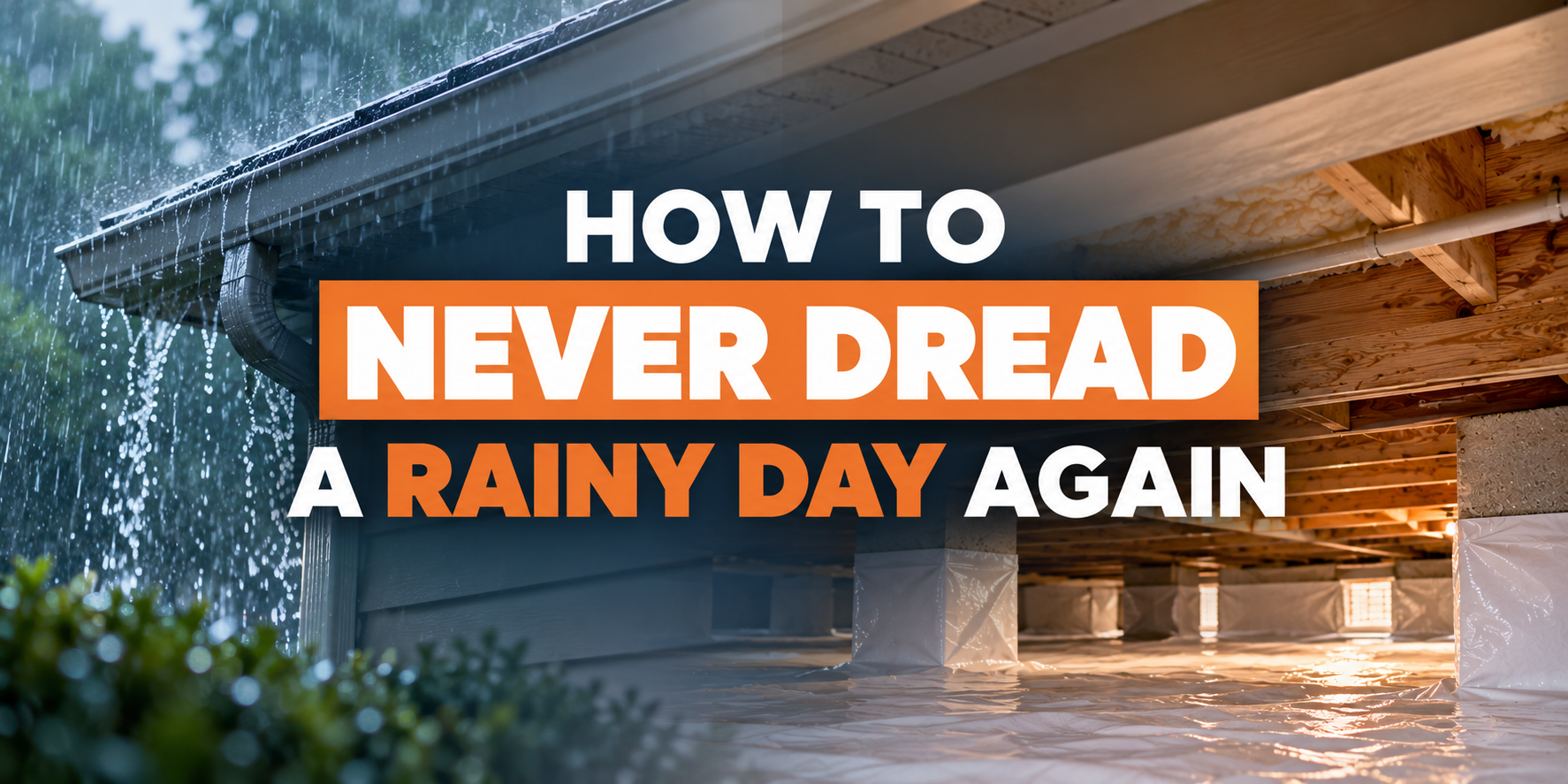
When It Rains, Think About What's Happening Under Your House
Most homeowners never think about their crawlspace until something goes wrong. And by the time something goes wrong, it's usually already a mess.
Here's the thing — rainy days are actually doing you a favor. They're a free reminder to go check on the one thing that's working hardest to keep your crawlspace dry.
Your sump pump.
It's not a glamorous piece of equipment. It sits down there in the dark, mostly ignored, and does its job quietly. But like everything else, it wears out. And the cruel irony is that sump pumps tend to fail exactly when you need them most — right in the middle of a heavy rain when water is pushing in from every direction.
That's not bad luck. That's just how it works. Maximum stress, maximum load, maximum chance of failure.
The good news is that catching a problem early is almost always cheaper and easier than dealing with the aftermath. And all it takes is two minutes.
Here's What to Do
You don't need any special tools or experience for this. You just need to be willing to open the hatch and look.
1. Pick the right day
A rainy day or the day after a heavy rain is the best time to check. That's when the pump has been running and you can actually see how it's holding up.
2. Open the crawlspace hatch and take a peek
You don't have to go all the way down if you don't want to. Just open it up and look. Bring a flashlight.
3. Look for standing water
There should not be water sitting on the floor of your crawlspace. If there is, your pump either isn't keeping up or it's already failed.
4. Listen
If it's raining and your pump isn't making any noise at all, that could be a problem. A working sump pump cycles on and off as water comes in. Complete silence during a heavy rain is worth paying attention to.
5. Look at the pump itself
Is it sitting upright? Does anything look cracked or damaged? Is there debris around it that might be clogging the intake? These are things anyone can spot with a basic look.
When to Call Someone
If you saw standing water, heard nothing during a heavy rain, or you just aren't sure what you're looking at — that's when it's worth getting a professional set of eyes on it.
A good crawlspace contractor isn't going to pressure you into anything. They should be able to come out, take a look, and give you a straight answer about what's going on and what your options are.
If your pump is more than seven to ten years old, it's also worth having a conversation about replacement — even if everything looks fine right now. These things don't last forever, and replacing a worn-out pump on your terms is a lot better than replacing it after it's already let water into your crawlspace.

What a Sump Pump Actually Does
Your sump pump sits in a pit at the lowest point of your crawlspace. When water seeps in — from rain, from groundwater, from any direction — it collects in that pit. The pump kicks on and pushes that water away from your home before it can cause damage.
It's not glamorous. It just quietly does its job.
Until it doesn't.
When a sump pump fails, that water has nowhere to go. It sits. It spreads. It soaks into the wood and the soil. And that's when the real problems start — mold, rot, structural damage, and air quality issues that work their way up into the living space where your family breathes every day.
The frustrating part is that none of that happens overnight. It builds slowly. And by the time you notice it, it's already been going on for a while.
Why Rainy Days Are the Danger Zone
Here's the thing about sump pumps that most people don't realize.
They don't fail on calm dry days. They fail when they're working the hardest — right in the middle of a storm, when water is pushing in from every direction and the pump is running almost constantly.
That's when a worn-out motor gives up. That's when a float switch that's been barely hanging on finally quits. The pump that seemed fine last month meets its match on a day exactly like today.
So a rainy day isn't just bad weather. It's actually a test. And it's the perfect time to go find out if your pump is passing.
Book A Free Inspection Now
Your crawl space problems aren't going to fix themselves. But they are fixable. Let's get it done — the right way, permanently.
Or call us directly (217) 863-9559
We're Happy to Help
At My Guys, we believe in giving homeowners straight answers. No pressure, no scare tactics — just honest information so you can make a good decision for your home and your family.
If you opened that hatch and something didn't look right, or if you just want someone to come take a look and tell you where things stand — we're here for that.
Reach out to us today and we'll set up a time to come take a look. It starts with a conversation.