We Found a Hidden Water Leak During This Crawl Space Inspection
The Leak That Almost Got Sealed In
Just got off the phone with someone who's about to become a customer of ours—but not quite yet.
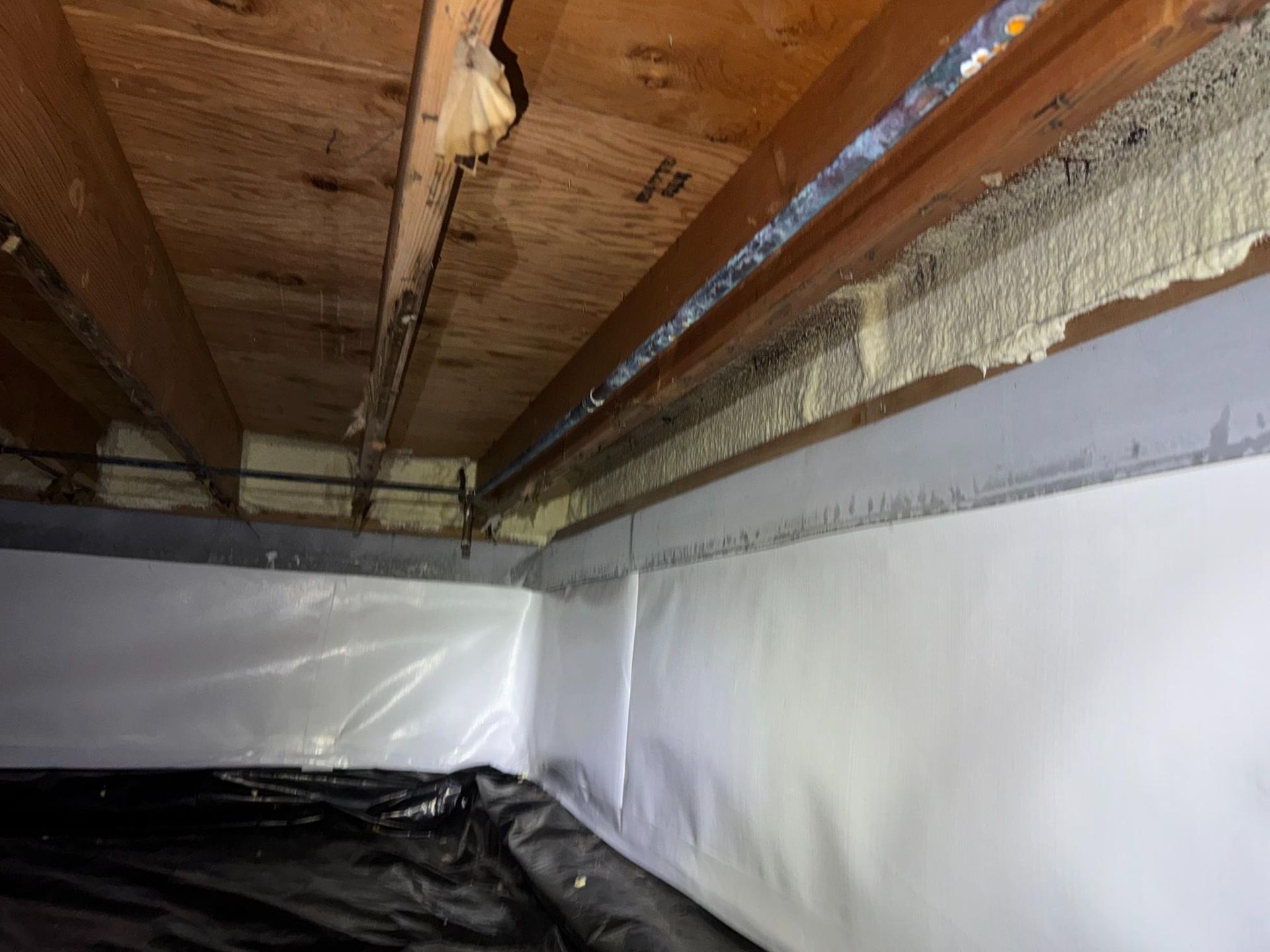
I did an inspection on their crawl space a few weeks back. They needed a crawl drain system and full encapsulation. Pretty straightforward job. But during that inspection, I found something that had nothing to do with their crawl space work: a water heater that had been slowly leaking for who knows how long.
Brought it to their attention. They called in some plumbers and HVAC folks to investigate. Turns out the leak had been going on for months, maybe longer. Damaged their ductwork. Started rotting the subfloor. A mess.
Now their crawl space project is delayed by weeks while they fix all that other stuff first. Is that inconvenient? Absolutely. But if we hadn't caught it, we would've sealed everything up right over an active water problem. And that would've made things so much worse.
What We Actually Found
The homeowner called us because they knew they had crawl space issues. Moisture problems, some drainage concerns—the usual signs that point to needing a crawl drain and encapsulation system.
So I went out to do a full inspection. I'm looking at moisture levels, checking the vapor barrier, evaluating where water's getting in. Standard stuff. But I'm also looking at everything else down there—the ductwork, the plumbing, the floor framing. Because it all matters when you're about to seal up a crawl space for the long term.
That's when I noticed the water heater. Nothing dramatic, just a slow, steady leak that nobody had caught. The kind of thing that's easy to miss if you're not paying attention.
I pointed it out to the homeowner, and they brought in other contractors to take a closer look. Once they dug into it, the full picture came together: this leak had been happening for a while. Long enough to compromise ductwork and start damaging the subfloor underneath.
Now they need a plumber to replace the water heater, an HVAC tech to fix the ducts, and possibly some subfloor repairs before we can even think about starting our work.
Why This Delayed Their Project (And Why That's Good)
Here's the thing about crawl space encapsulation: it's not a band-aid. It doesn't fix active water problems. It seals and protects your crawl space—but only if the underlying issues are handled first.
If we had come in and encapsulated this crawl space with that water heater still leaking, we wouldn't have solved anything. We would've just trapped moisture inside a sealed system. That trapped water would've kept damaging the ductwork, kept rotting the subfloor, and probably started causing mold issues on top of everything else.
So yeah, this project got pushed back by weeks. The homeowner has to coordinate multiple contractors now—plumber, HVAC tech, maybe a carpenter for the subfloor. That's not convenient. Nobody wants to hear that their straightforward crawl space job just turned into a much bigger deal.
But think about the alternative. If I hadn't caught that leak, we would've done our work, collected payment, and left. And in six months or a year, that homeowner would've had an even bigger problem on their hands. Worse damage, higher repair costs, and an encapsulation system that didn't work because we sealed it up over an active water source.
I'd rather delay a project and do it right than rush into work that's going to fail. Every time.
What Our Inspections Actually Include
Most crawl space companies show up, spend 20 minutes looking around with a flashlight, and hand you a proposal. They're checking one thing: can we sell this job?
We approach it differently.
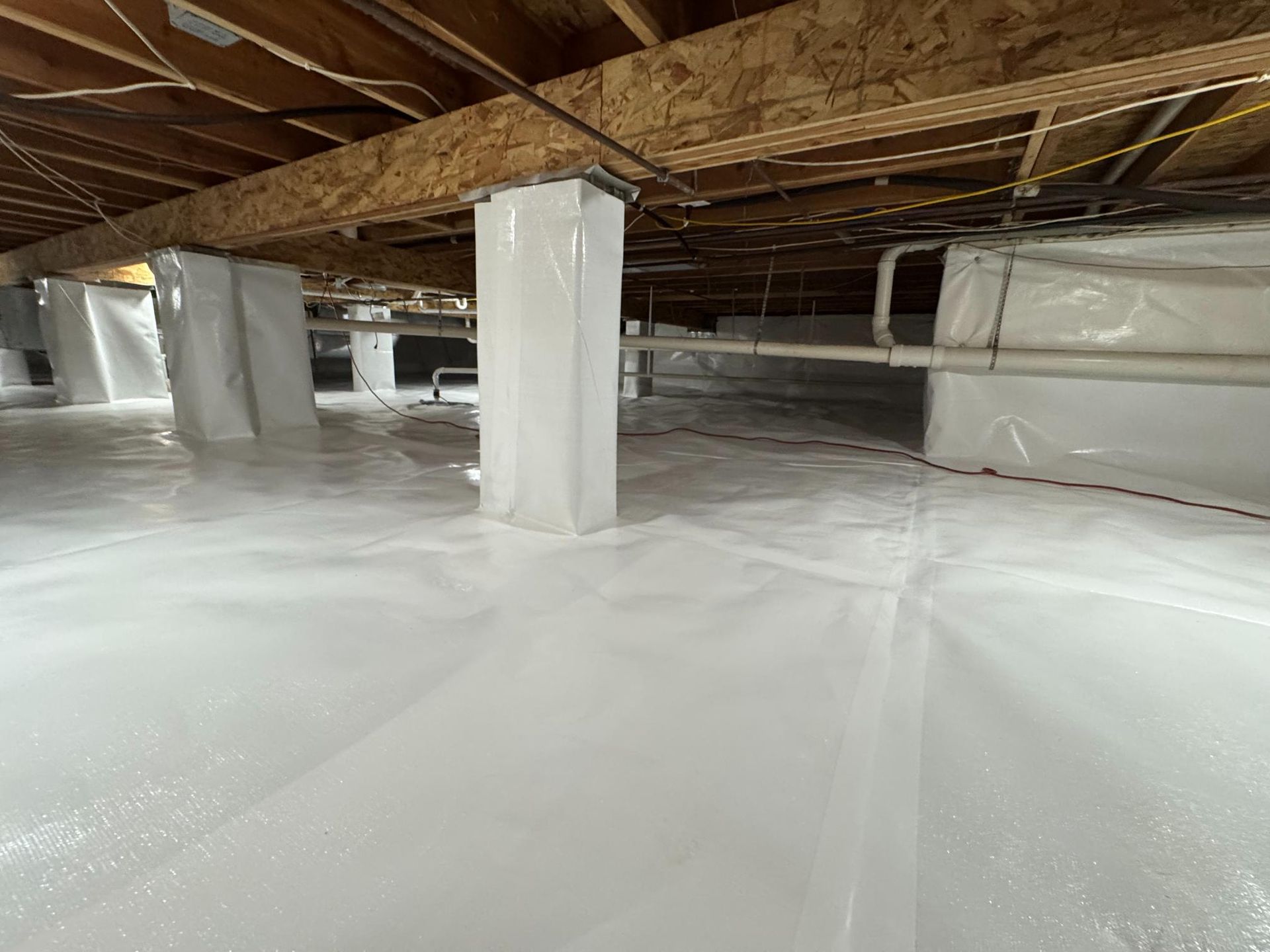
When I do an inspection, I'm looking at your entire crawl space system. Not just whether you need encapsulation, but whether your crawl space is healthy top to bottom. That means checking your plumbing for leaks. Looking at your HVAC ductwork for damage or disconnections. Inspecting your floor framing for structural issues. Checking your electrical for problems. Evaluating your foundation walls.
Because all of it matters. Your crawl space isn't just dirt and plastic—it's a system that affects your whole house. If your ductwork is compromised, it impacts your heating and cooling. If your plumbing is leaking, it creates moisture problems that encapsulation won't fix. If your floor joists are damaged, you've got bigger concerns than humidity levels.
I've found plumbing leaks nobody knew about. Disconnected ducts pumping conditioned air straight into the crawl space. Electrical wiring that wasn't up to code. Structural damage from termites or wood rot. None of that has anything to do with the crawl space work they called us for—but all of it needs to be addressed before we start sealing things up.
Would it be faster to ignore those problems and just do our job? Sure. But that's not how we operate.
When Encapsulation Works (And When It Doesn't)
Let me be clear: crawl space encapsulation is one of the best things you can do for your home. When done right, it controls moisture, improves air quality, protects your floor framing, and makes your whole house healthier.
But it only works when the conditions are right.
Encapsulation seals your crawl space from the ground, controls humidity with a dehumidifier, and creates a clean, dry environment. That's incredibly effective for managing normal moisture from the soil and keeping your crawl space healthy long-term.
What it doesn't do is stop active water sources. If you've got a plumbing leak, a failing water heater, or major drainage problems directing water straight into your crawl space, encapsulation won't fix that. It'll just trap that water inside the sealed system and make things worse.
That's why the sequence matters. Fix the leaks first. Address the drainage issues. Repair the structural damage. Then encapsulate.
Some companies skip this step because it's inconvenient. It delays the sale. It means telling customers things they don't want to hear. But doing it backwards doesn't help anyone. It just creates failed projects and unhappy homeowners down the road.
What Homeowners Should Expect from an Inspection
If you're getting crawl space work done, here's what a real inspection should look like:
The inspector should spend time down there. Not five minutes with a flashlight—actual time walking through, looking at everything, taking measurements. You should get photos or video documenting what they found. And they should be able to explain what's wrong in plain language, not just throw technical terms at you.
Ask questions like: What else did you see down there besides the crawl space issues? Did you check the plumbing? The ductwork? The floor framing? Are there any other problems I should know about?
Red flags include inspectors who rush through, won't show you documentation, or seem annoyed when you ask about things beyond their scope of work. If someone's only interested in selling you what they came to sell, they're not doing a thorough job.
You want an inspector who finds problems—even the inconvenient ones. Even the ones that delay the project. Because it's better to know before the work starts than to discover it six months later when the damage is worse.
Honesty sometimes means bad news. But that's always better than a quick sale and a bigger problem down the road.
Our Commitment to Mahomet Homeowners
Chris and I can't just look the other way when we find problems. Not because we're trying to be difficult, but because we live here.
When you hire a big company, the crew drives in from somewhere else, does the work, and disappears. If something goes wrong, you're calling a 1-800 number and talking to someone in a corporate office three states away.
When you hire us, you're hiring your neighbors. We've been in Mahomet our whole lives. We see our customers at the grocery store, at church, at our kids' games. Our reputation isn't just a business thing—it's personal.
That's why we can't rush past problems just to close a sale. Would it be easier to ignore that water heater leak and just do the encapsulation we were called for? Absolutely. But in six months when that homeowner is dealing with bigger damage, they're going to remember who missed it.
We'd rather delay a project and do it right than take shortcuts that hurt people we're going to see around town. Your home's long-term health matters more than our short-term profit. Every single time.
Book A Free Inspection Now
Your crawl space problems aren't going to fix themselves. But they are fixable. Let's get it done — the right way, permanently.
Or call us directly (217) 863-9559
Schedule a Real Inspection
If you're dealing with crawl space issues—moisture problems, musty smells, sagging floors, or you just want to know what's actually going on under your house—give us a call.
We'll do a complete inspection and show you exactly what we find. The good, the bad, and the stuff that has nothing to do with crawl space work but needs your attention anyway.
No pressure. No rushed sales pitch. Just honest answers from someone who's going to be accountable for the work.
Reach out anytime. We're here in Mahomet, ready to help.