What We Found in a Crawl Space No One Else Entered
When a homeowner finally makes the call, something shifts.
We come out and do a thorough inspection. We get under the home and look at everything — and we show you what we're seeing in real time so there are no surprises when we sit back down with you. You'll know exactly what's down there. You'll know exactly what it takes to fix it. And you'll have a clear picture of what your home looks like after the work is done.
No pressure. No scare tactics. Just an honest look at what's happening and a straightforward plan to address it.
Most homeowners tell us the same thing after that first visit.
They wish they hadn't waited as long as they did.
The Crawl Space Three Companies Passed On
The entrance was small. Really small.
Other companies had already been out to this home. They saw the access point, decided it wasn't worth the trouble, and built their quote from the doorway. Some didn't even do that.
Nobody got inside.
That's a problem. Because what's happening under your home doesn't stop just because the entrance is inconvenient. Moisture builds. Floors weaken. Drainage issues get worse. And the homeowner has no idea—because nobody told them.
We got in anyway. And what we found told a very different story than the quotes she'd already received.
What Happens When Contractors Skip the Inspection
Here's something most homeowners don't know: not every contractor who gives you a crawl space quote actually goes inside.
Some look at the access point and make a judgment call from there. Others send a crew in with no prior inspection at all—no idea what's waiting for them, no plan for what they're about to find.
Both approaches have the same problem: you end up with a proposal built on guesswork instead of reality.
A real inspection isn't just about getting a number to put on paper. It's about understanding what's actually going on under your home. The moisture levels. The condition of the floor joists. Whether there's a drainage issue. Whether pest control has even been able to access the space.
When contractors skip that step, they're not just cutting corners on the process. They're leaving you with an incomplete picture of your own home. And incomplete information leads to incomplete solutions.
What We Found When We Got Inside
The first thing you notice is the spiderwebs.
Not a few here and there—we're talking wall to wall, corner to corner. The kind of buildup that only happens when a space hasn't been entered in years. Pest control hadn't been under this house either. The entrance was too small for their equipment, so they'd been skipping it too.
That told us everything we needed to know about what we were walking into.
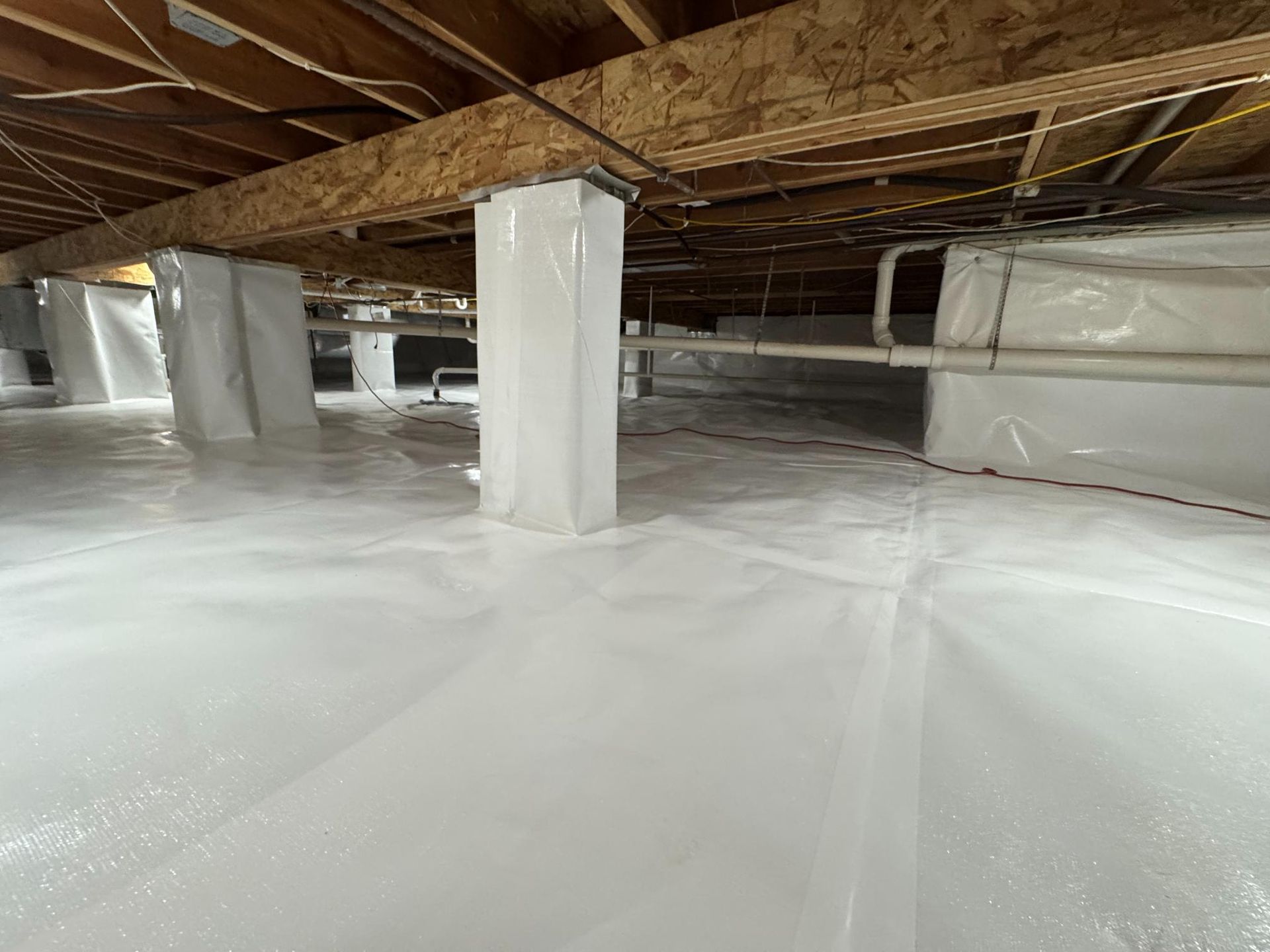
Once we got past the entrance and did a proper look around, the full picture started coming together. The floors were uneven and needed leveling. There was a drainage problem that wasn't going away on its own. The moisture situation was significant enough to need a full encapsulation.
She needed a little bit of everything.
Floor leveling. A crawl drain system. Full encapsulation from wall to wall.
None of that showed up in the quotes she'd already received. Because nobody had gotten far enough inside to find it. And here's the hard truth about that: these problems didn't show up overnight. They'd been building for a while. Every month that passed without a real inspection was another month of moisture doing damage, floors getting weaker, and drainage issues getting worse.
Finding everything isn't bad news. It's the only way to actually fix it.
Why Small Entrances Are a Red Flag
A crawl space that's hard to get into is almost always one that nobody's been in for a long time.
And a crawl space nobody's entered in years is one that hasn't been checked for anything. No moisture readings. No pest activity assessment. No look at the floor joists or the drainage situation. Whatever's been developing down there has been developing completely unchecked.
That's not a coincidence. It's a pattern.
When an entrance is tight or awkward, it becomes an excuse. Contractors decide it's too inconvenient. Pest control skips it. Even homeowners stop checking. Over time, that difficulty becomes a shield for problems that just keep getting worse.
The size of the entrance doesn't change what's on the other side of it.
If anything, a hard-to-access crawl space deserves more attention, not less. Because the odds are high that nobody's given it any. And whatever's been growing, building, or failing down there has had all the time in the world to do it.
What a Real Crawl Space Inspection Should Look Like
A real inspection starts with actually getting inside. That sounds obvious, but based on what we see out there, it clearly isn't.
Here's what we do on every single inspection:
We get in. No matter how tight the entrance, no matter how many spiderwebs are waiting on the other side. If there's a way in, we're going in.
We document everything. Photos, video, moisture readings. We want you to see exactly what we're seeing, even if you never want to set foot in your crawl space yourself.
We explain what we find. Not just a list of problems and a big number at the end. We walk you through what each issue means, why it matters, and what happens if it's left alone.
We build the solution around what's actually there. Not a standard package. Not a one-size-fits-all proposal. A real plan based on real findings from your specific crawl space.
Before you let anyone under your home, ask them directly: are you going inside? Will you document what you find? Can you show me the inspection before you present a proposal?
If the answer to any of those is no or a hesitation, that tells you something important.
You deserve to know what's actually under your home. Not a guess. Not an estimate from the doorway. A real answer from someone who actually got in there and looked.
What This Homeowner Was Up Against
This lady had been living with these problems for a while. She'd had companies out. She'd gotten quotes. But because nobody actually got inside, nobody had given her the full picture.
She didn't know about the drainage issue. She didn't know the extent of the moisture problem. She knew her floors felt off, but she didn't know why or how bad it had gotten underneath.
That's a hard position to be in. You know something's wrong but you can't get a straight answer about what it actually is.
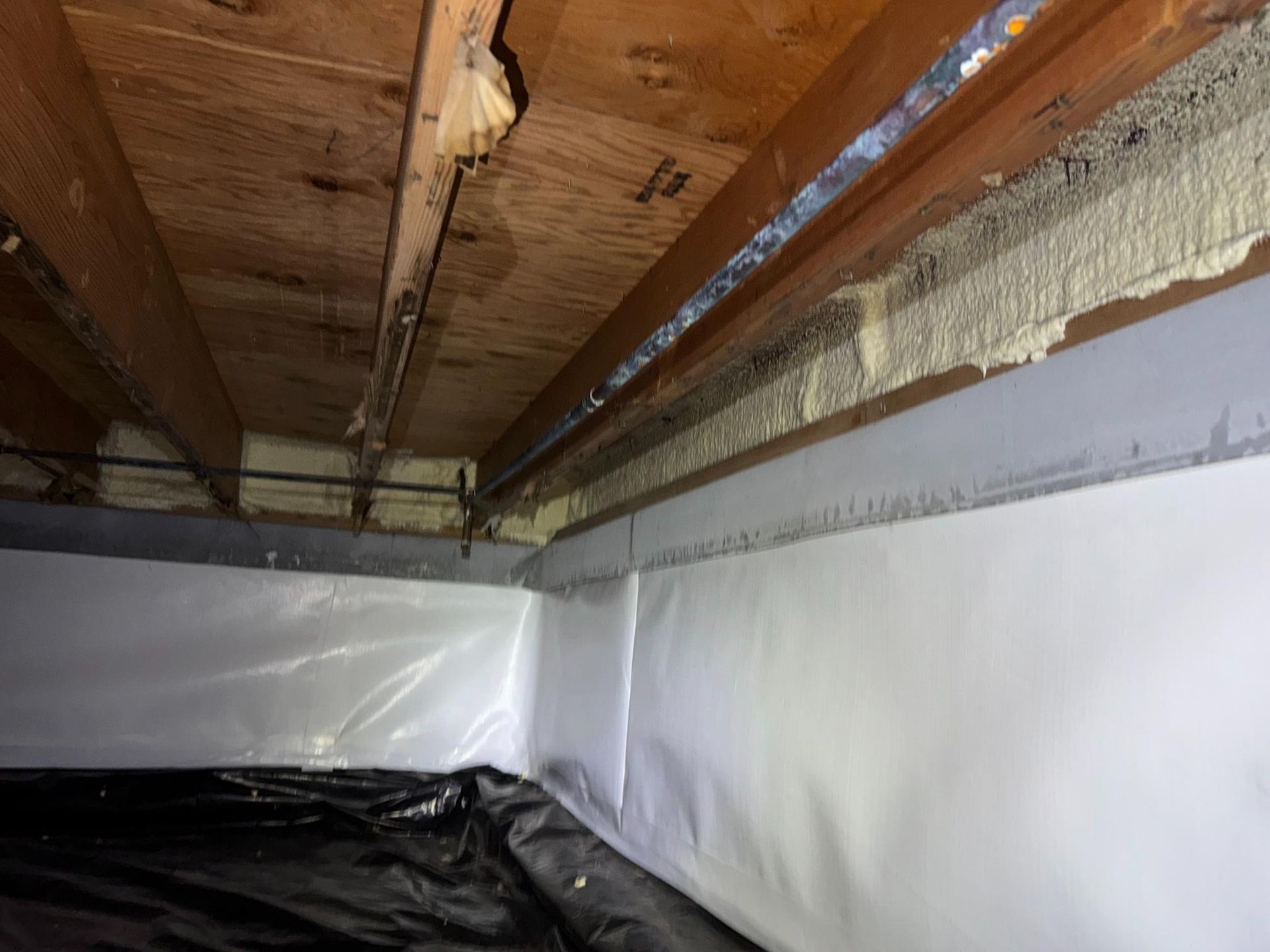
When we got inside and did a proper inspection, everything became clear. She needed floor leveling to address the sagging. A crawl drain system to handle the drainage problem. And a full encapsulation to seal everything up and protect it going forward.
It was a lot. But it was real. And for the first time, she had an actual answer instead of a number on a piece of paper.
The right solution starts with the right information. She finally had both.
Book A Free Inspection Now
Your crawl space problems aren't going to fix themselves. But they are fixable. Let's get it done — the right way, permanently.
Or call us directly (217) 863-9559
Ready to Know What's Really Under Your Home?
If you've had companies out and nobody's actually gotten inside, you don't have a real answer yet.
If your entrance is small and you've been told it can't be properly inspected, we'd like to prove otherwise.
If you're just ready to know what's actually going on under your home, give us a call. Chris or I will come out personally, do a full inspection, and walk you through everything we find.
No pressure. No guesswork. Just honest answers from people who actually got in there and looked.