Why Cleanup Comes First in Every Crawl Space Job
What We Found Before We Could Even Start
It's a little after 9 AM, and we're starting a crawl seal job in Champaign. Three-room crawl space. Should be pretty straightforward.
Except Dennis and Jackson are already pulling out bricks. And cinder blocks. And old piping. What looked like mounds of dirt from the access point turned out to be piles of construction debris someone left down here—probably decades ago.
This is what happens before we can even think about laying vapor barrier. We have to clean out what shouldn't be there in the first place.
And here's the thing: this isn't unusual. It's actually pretty typical. Most crawl spaces we work on have some version of this—leftovers from previous construction, repairs, or renovations that someone decided were too much trouble to haul out.
So before we can seal anything, we've got to remove everything. That's where every quality crawl space job actually starts.
What We're Actually Removing Today
Right now we're hauling out:
Piles of old bricks—probably from when this house or an addition was built
Cinder blocks that have been sitting here for who knows how long
Sections of piping that haven't been connected to anything in years
Random chunks of concrete and construction debris
All of it just sitting in mounds throughout the crawl space. Someone at some point looked at this stuff and thought, "eh, just leave it under the house. Nobody will see it."
That's the "out of sight, out of mind" approach to home construction. And it's incredibly common, especially in older homes around Champaign where houses have been added onto multiple times over the decades.
Each addition brought its own crew. Each crew had leftover materials. And a lot of them took the easy route—shove it in the crawl space instead of loading it back in the truck.
Fast forward 20, 30, 50 years, and here we are. Pulling out debris that should've been removed before the homeowner ever moved in.
But that's our job. We can't seal a crawl space properly if it's built on top of someone else's mess.
Why You Can't Just Cover It Up
Look, I get the temptation. You've got all this debris down there, and laying vapor barrier over it would be faster and easier. Just seal it up and move on, right?
Except that doesn't work. Not if you want the job to actually last.
Here's why all this stuff has to come out:
Debris holds moisture. Those bricks and cinder blocks? They're porous. They absorb water and create pockets of dampness that your vapor barrier is supposed to prevent. If you seal over them, you're just trapping moisture against your foundation.
It prevents proper air circulation. When you've got mounds of construction materials creating hills and valleys under your vapor barrier, air can't move the way it should. You get dead spots where humidity builds up.
Pests love it. Rodents and insects use debris piles as nesting spots and highways. Seal over them, and you've just given them permanent protected routes through your crawl space.
The vapor barrier won't seal properly. You need a relatively smooth, clean surface for the barrier to lay flat and tape securely. Try to stretch it over brick piles and cinder blocks, and you'll get tears, gaps, and poor adhesion.
Bottom line: you can make it look done by covering everything up. But it won't function properly, and within a few years, you'll have the same problems you started with—plus the cost of redoing work that wasn't done right the first time.
What Proper Crawl Space Prep Actually Involves
So what does proper preparation look like?
First, everything that doesn't belong comes out. Not pushed to the side. Not buried under vapor barrier. Out of the crawl space entirely. We haul it to the truck, load it up, and dispose of it properly.
That includes old building materials, deteriorating insulation, random debris, and any trash that's accumulated over the years. If it's not part of your house's structure or systems, it goes.
Next, we address the ground itself. Sometimes we need to level areas where debris has been sitting or where the soil is uneven. We're not talking major grading work, but we want a reasonably smooth surface for the vapor barrier to lay against.
If we spot drainage issues during cleanup—water pooling in certain areas, evidence of moisture intrusion—we note those and discuss solutions with the homeowner. Sometimes that means adding a sump pump or addressing grading outside the house.
Then we make sure we have clear access throughout the space. In a three-room crawl space like this one, we need to be able to move between sections efficiently and get materials where they need to go.
Only after all of that do we start laying vapor barrier.
This prep work is why crawl space jobs take longer than homeowners sometimes expect. But it's also why our work lasts. You can't build quality on top of a mess.
Why This Adds Time to the Job
When we give an initial estimate, we're working with what we can see from the access point and what the homeowner has told us. But we can't always predict what's actually down there until we get inside.
That's the conversation we had this morning. This job looked straightforward—just a crawl seal across three rooms. But once Dennis and Jackson got down there and started moving around, we found all these brick and cinder block piles that weren't visible from the entrance.
So now we're spending a few extra hours on cleanup before we can even start the sealing work.
Here's how we handle that: we're transparent about it. We let the homeowner know what we found, why it needs to come out, and how it affects the timeline. No surprises, no hidden fees for "unexpected work." Just honest communication about what their crawl space actually needs.
We could rush through it. Throw vapor barrier over everything and be done by lunch. But that's not how we operate. We'd rather take the time to do it right than leave behind work we wouldn't be proud of.
Quality takes time. Shortcuts show up eventually.
The Multi-Room Challenge
Three-room crawl spaces are pretty common in Champaign, especially in older homes that have been added onto over the years. You'll have the original house foundation, then an addition from one era, maybe another section from a different decade.
Each room has its own access challenges. Some are spacious enough to move around in. Others—like that third room on this job—are tight. You're crawling on your belly, dragging materials behind you.
And each section usually has its own collection of debris, because each addition had a different crew working on it. Different standards, different approaches to cleanup, different decades of "just leave it under there."
That's why Dennis and Jackson work as a team on jobs like this. One person can focus on hauling debris out while the other preps the next section. They can pass materials through the tighter spaces instead of one person making multiple trips.
It's about working efficiently without cutting corners. Moving through the space methodically, making sure each room gets the same level of attention and cleanup before we seal anything.
Multi-room doesn't mean complicated. It just means organized.
What Happens After Cleanup
Once all the debris is out and the space is properly prepped, the actual crawl seal installation goes pretty quick.
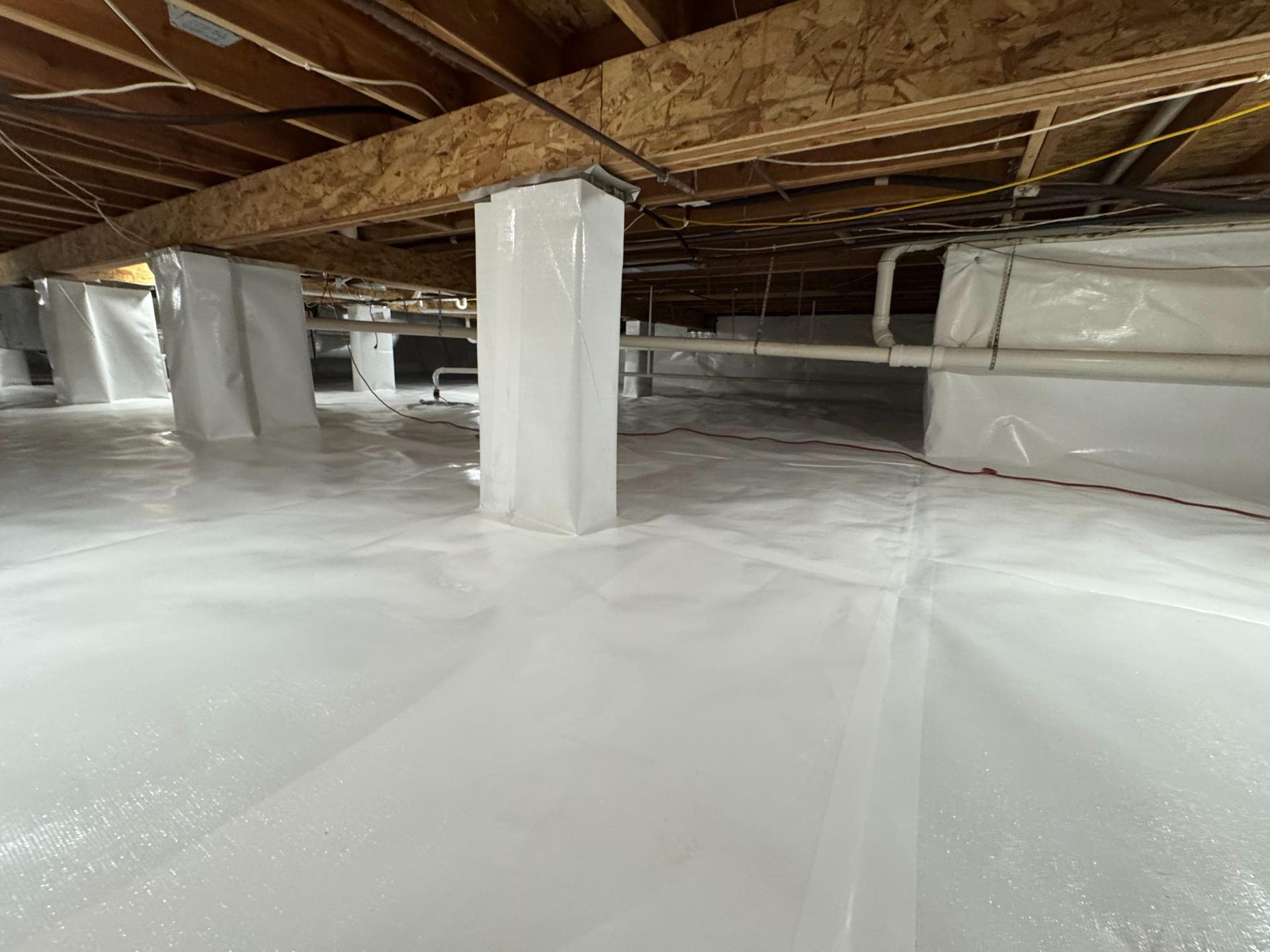
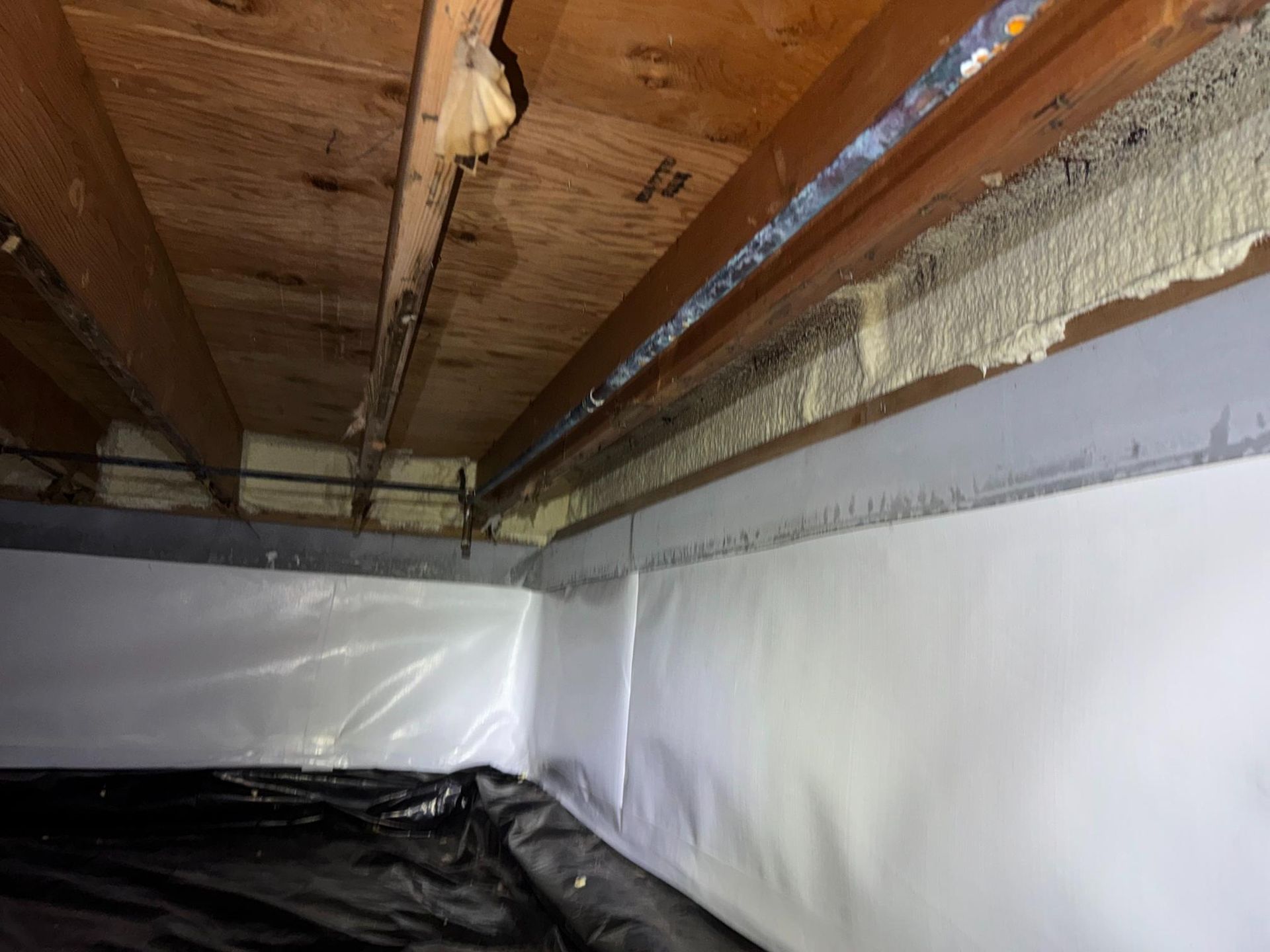
We lay the vapor barrier across the entire floor, making sure it's smooth and properly positioned. Then we tape all the seams—not just a quick pass, but sealed tight so there are no gaps for moisture or air to get through.
In a space like this, once the prep work is done, we're looking at a few hours to get everything laid down and taped up.
And that's the payoff for doing the cleanup right. When you start with a clean foundation, the installation work goes smoothly. The barrier lays flat, the tape adheres properly, and you end up with a sealed system that actually works.
The transformation from debris-filled crawl space to clean, sealed space happens fast—but only because we did the hard work first.
Book A Free Inspection Now
Your crawl space problems aren't going to fix themselves. But they are fixable. Let's get it done — the right way, permanently.
Or call us directly (217) 863-9559
Ready to See What's Really Under Your Home?
If you're thinking about crawl space work, the first step is knowing what you're actually dealing with.
We'll come out and do a thorough inspection—not just a quick peek from the access point, but an actual crawl through your space to see what's there. We'll show you any debris that needs removing, moisture issues we spot, or structural concerns that should be addressed.
Then we'll give you an honest assessment of what the job involves and how long it'll take. No surprises, no pressure. Just straightforward information so you can make the right decision for your home.
Dennis, Jackson, or I will be on your job. We're not sending a random crew—you're getting owners and team members who care about the quality of work we leave behind.
If you're in Champaign or anywhere in Central Illinois and want to know what's actually happening under your house, reach out. We'll show you exactly what we find and what it'll take to do the job right.