Why Your Crawl Space Keeps Getting Wet (And How to Stop It)
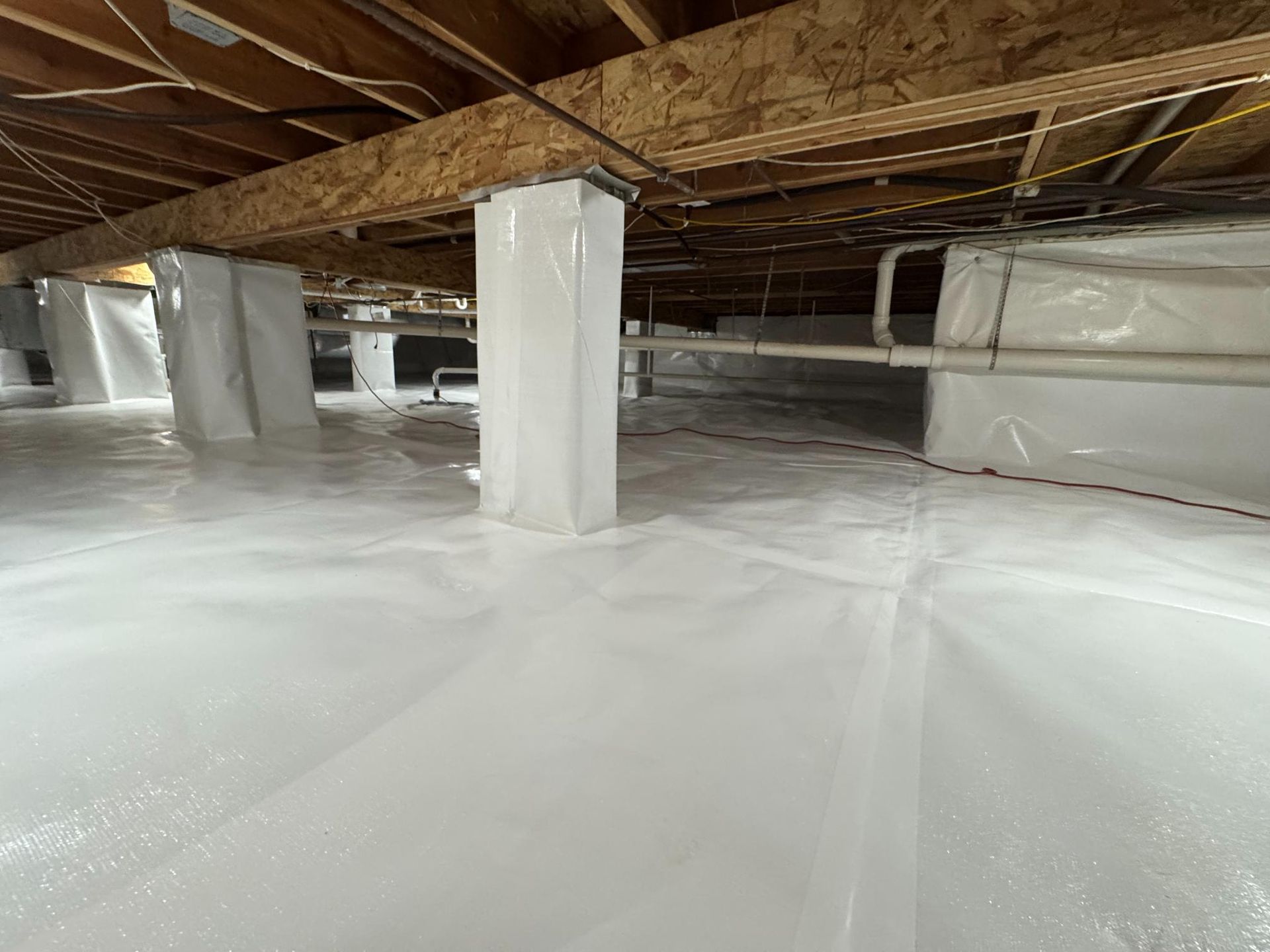
What a Healthy Crawl Space Actually Looks Like
When a homeowner finally makes the call, something shifts.
We come out and do a thorough inspection. We get under the home and look at everything — and we show you what we're seeing in real time so there are no surprises when we sit back down with you. You'll know exactly what's down there. You'll know exactly what it takes to fix it. And you'll have a clear picture of what your home looks like after the work is done.
No pressure. No scare tactics. Just an honest look at what's happening and a straightforward plan to address it.
Most homeowners tell us the same thing after that first visit.
They wish they hadn't waited as long as they did.
You don't have to go under your home to know something might be wrong down there. Most of the time your house will tell you first.
A musty smell that lingers no matter how much you clean is one of the most common signs. If it's worse in certain rooms or after it rains, there's a good chance moisture is the culprit underneath.
Floors that feel soft, springy, or uneven underfoot are another one. A little give in the floor isn't normal. It's a sign that something in the floor framing system needs attention.
Higher than normal humidity throughout the house — even with your HVAC running — can point straight to the crawl space. Same with allergy symptoms that seem worse indoors than outside.
If you're noticing any of these things, it's worth having someone take a look. Not because it's automatically a disaster, but because the earlier you catch it the simpler and less expensive the fix tends to be.
Don't wait for it to get worse. It will.
It's Not Always What's Under Your House
If your crawl space stays damp no matter what you try, the answer usually isn't found under your house. It's found outside it.
Where the Water Really Comes From
A wet crawl space usually starts with water that has nowhere else to go. Rain and runoff collect near your foundation, soak into the ground, and work their way inside. Over time, this creates the kind of damp, musty crawl space most homeowners are familiar with — and frustrated by.
One crawl space we worked on had a corner that stayed soaked all the time. The fix wasn't inside that corner. It was outside the house, where the water was coming from in the first place.
The Real Fix: Move the Water Away First
To stop water from coming back, it has to be carried away from the house before it ever reaches the crawl space. We do this by burying pipe that redirects water out and away from the foundation — at least 15 feet, sometimes more depending on the yard. On this job, we ran it 20 feet out.
That one step makes a big difference. Once the water has somewhere else to go, it stops pooling against the house and stops finding its way back inside.

Check Your Own Crawl Space: A Simple Checklist
You don't need to be a contractor to start figuring out if this is happening at your house. Try this:
Check the corners first. Water tends to collect in corners before anywhere else.
Look outside, not just inside. Walk your yard after it rains and see where water pools near your foundation.
Check your drainage distance. See how far your downspouts or drainage pipes actually carry water. If it's just a few feet, it's probably ending up right back at your house.
Ask the right question. Before hiring anyone, ask: "Where does the water on the outside of my house end up?" A clear, specific answer is a good sign. A vague one isn't.
The Bottom Line
A dry crawl space isn't just about what happens under your house — it's about where the water goes before it ever gets there. Fix that, and you fix the real problem, not just the symptom.
Book A Free Inspection Now
Your crawl space problems aren't going to fix themselves. But they are fixable. Let's get it done — the right way, permanently.
Or call us directly (217) 863-9559
Think Your Crawl Space Might Have This Problem?
If your crawl space stays damp or musty no matter what you do, let's take a look together. Contact My Guys today for an honest, straightforward inspection — so you know exactly what's going on and exactly what it'll take to fix it for good.