Inside a Crawl Space Drainage Installation (The Part We Don't Usually Show)
The Messy Middle of Crawl Space Work
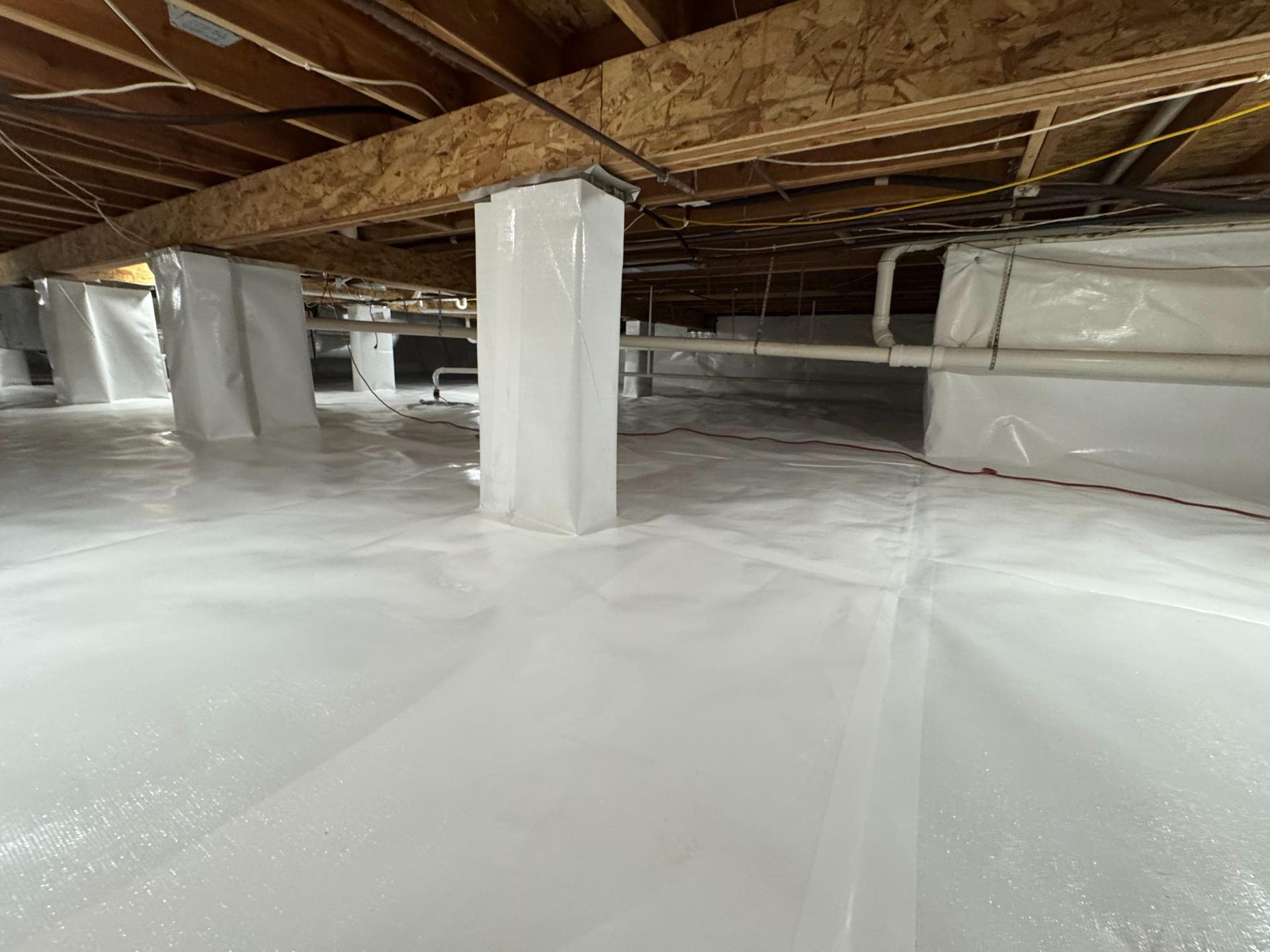
You've probably seen a lot of our finished work—clean crawl spaces, bright white vapor barrier, everything looking perfect. But we wanted to show you what happens before we get to that point.
Right now, we're in the middle of installing a crawl drain system. It's humid, muddy, and honestly pretty miserable down here. Brian's back there covered in mud, hand-digging trenches in a space where you can barely move around.
This isn't the glamorous part. But it's the most important part.
This crawl space had standing water coming in from the back side. And before we can make it look beautiful, we've got to actually solve the water problem. That's what you're seeing here—the messy, sweaty reality of doing it right.
What You're Actually Seeing Here
We're digging a trench around the perimeter of this crawl space to catch water before it pools. You can already see it filling with water, which tells us we're in the right spot.
On the other end, we've got the sump pit dug out. Once we finish the trenching, we'll install the crawl drain system—basically a perforated pipe that collects water and directs it to the sump pump. The pump then removes it from under the house completely.
It's hot. It's humid. We're doing all this by hand because you can't get equipment into a crawl space. Every shovel of dirt has to be hauled out in buckets.
This is why a lot of companies skip this step. It's hard work, it's time-consuming, and honestly, it's not fun. It's easier to just roll out some vapor barrier and call it done.
But if you've got water actively coming into your crawl space, that plastic isn't going to stop it. You need drainage. Real drainage. And that means getting down in the mud and doing the work nobody wants to show you.
Why Water Problems Need More Than Vapor Barrier
Here's the biggest mistake we see in crawl space work: treating water intrusion like it's just a moisture problem.
High humidity in your crawl space? Encapsulation with a dehumidifier can handle that. But actual standing water coming in from outside? That needs drainage first. No amount of plastic is going to stop water from finding its way under your house.
A lot of companies will come out, see the water, and still just quote you vapor barrier. Why? Because it's faster, easier, and they can move on to the next job. They'll seal everything up, it'll look great for a few months, and then the water comes back. Now it's trapped under the plastic with nowhere to go, and you've got an even bigger problem.
Water doesn't care about your vapor barrier. It's going to keep coming in until you give it somewhere else to go.
That's the difference between a real solution and a temporary fix. If water's actively entering your crawl space—whether it's from groundwater, poor grading, or drainage issues around your foundation—you need to intercept it and remove it. That means trenching, gravel, perforated pipe, and a sump pump system.
It's more work. It costs more. And it's definitely not as simple as rolling out plastic. But it's the only thing that actually solves the problem long-term.
What a Proper Crawl Drain System Does
The way a crawl drain works is pretty straightforward, but it requires getting the details right.
We dig a trench around the inside perimeter of the crawl space—usually about 12 inches deep and 8 inches wide. The trench follows the foundation walls where water is most likely to enter. We line it with landscape fabric to prevent soil from clogging the system.
Then we lay perforated pipe in the trench. The perforations face down so water can enter from below as it seeps through the soil. We surround the pipe with gravel, which helps water flow freely toward the pipe instead of pooling in your crawl space.
All of that pipe slopes toward a sump pit—basically a hole we dig at the lowest point of the crawl space. The water flows through the pipe system, collects in the pit, and when it reaches a certain level, the sump pump kicks on and removes it completely from under your house.
In this crawl space, the trench is already filling with water. That's actually a good sign—it means we're intercepting the water before it becomes a bigger problem.
The hard part is doing all of this in a space where you can barely stand up. Hand-digging. Hauling dirt and gravel in buckets. Working in heat and humidity. It's exhausting, but it's the only way to do it right.
Why This Work Matters for Your Home
When you solve water problems at the source instead of just covering them up, you're protecting your entire home.
Standing water in your crawl space doesn't just create humidity and musty smells. It weakens your foundation over time. It rots floor joists and subflooring. It creates conditions for mold growth. And it affects the air quality in your home—remember, about 50% of the air you breathe upstairs comes from your crawl space.
A proper drainage system stops all of that before it starts. The water never pools. It never sits against your foundation. It gets intercepted and removed before it can cause damage.
And here's the thing: once the drainage is handled, then encapsulation actually works the way it's supposed to. The vapor barrier seals out moisture, the dehumidifier keeps humidity in check, and you've got a dry, protected crawl space.
But if you skip the drainage step and just encapsulate over a water problem, you're setting yourself up for failure. The water will win. It always does.
That's why we're down here in the mud doing this the hard way.
The Reality of Quality Crawl Space Work
Not every part of this job is going to look good on social media.
The finished crawl spaces with clean white vapor barrier and proper lighting? Those get a lot of likes. But this part—the digging, the mud, the sweat—this is what makes those finished photos possible.
It's physically demanding work. We're in a space where you can't stand up straight, it's 90-plus degrees, humidity is through the roof, and we're moving dirt one bucket at a time. There's no easy way to do it.
A lot of crews won't do this work. They'll tell you it's not necessary, or they'll quote you something simpler that doesn't actually fix the problem. Because honestly, it's easier to skip this step.
But we're owner-operated. That means Chris or I are down here doing the work ourselves. We're not sending a crew and hoping it gets done right—we're the ones in the mud making sure it's done right.
That's the difference. And that's why we wanted to show you this part, even though it's not pretty.
From Muddy Mess to Clean Solution
Once we finish the drainage system, this crawl space is going to look completely different.
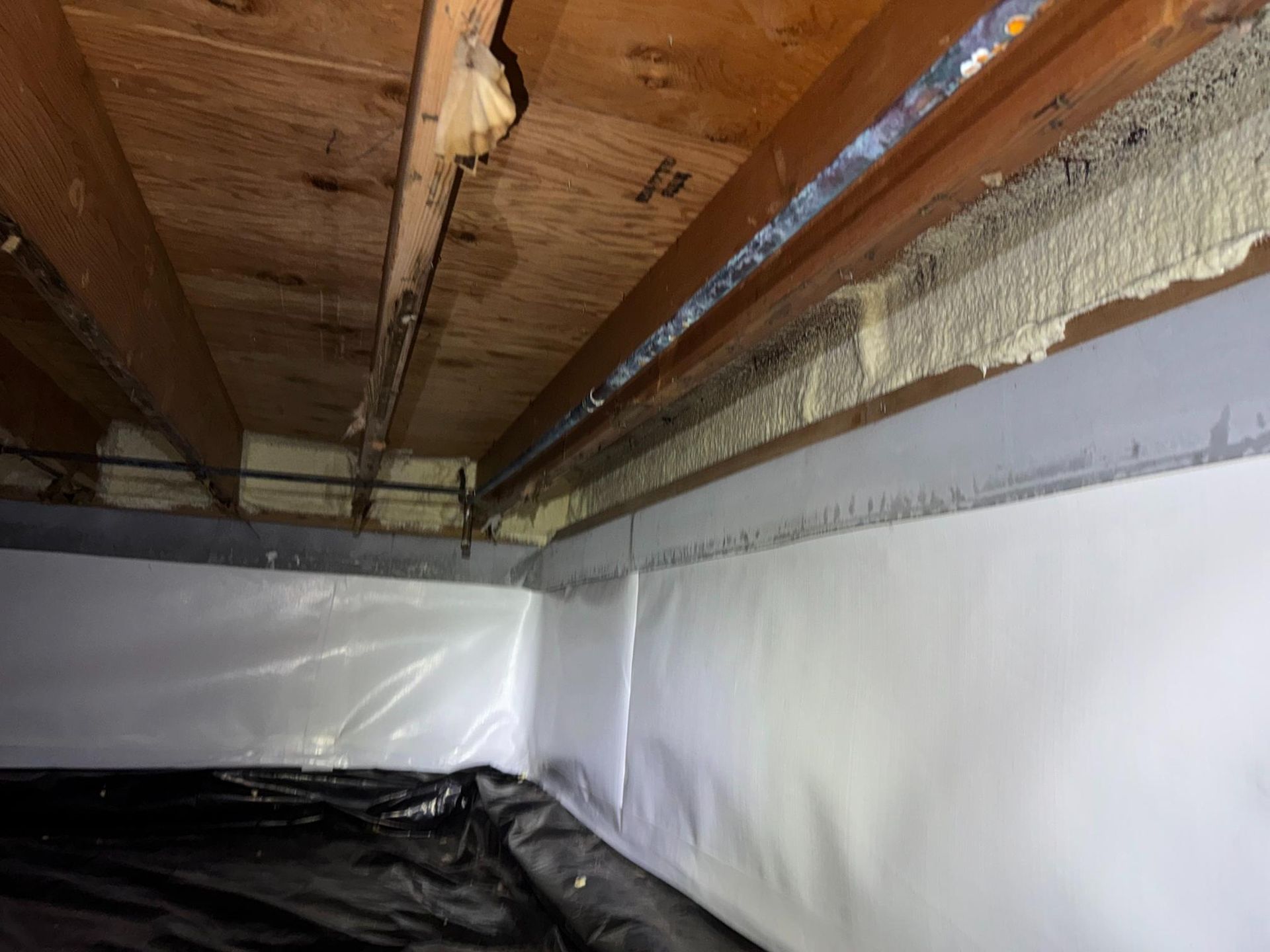
The trenches will be filled with gravel. The sump pump will be installed and tested. We'll clean up all the mud and debris. Then we'll install the vapor barrier, seal everything properly, add lighting throughout, and set up the dehumidifier.
The transformation from what you're seeing right now to the finished product is pretty dramatic. But it only works because we did this part first.
The drainage handles the water. The encapsulation handles the moisture and air quality. Together, they create a dry, healthy crawl space that actually protects your home long-term.
But you can't skip steps and expect it to work. The messy part matters.
Book A Free Inspection Now
Your crawl space problems aren't going to fix themselves. But they are fixable. Let's get it done — the right way, permanently.
Or call us directly (217) 863-9559
Ready to Solve Your Water Problem the Right Way?
If you're seeing standing water in your crawl space, or if you've had encapsulation done but the moisture keeps coming back, you might need drainage.
We'll come out and do a thorough inspection to figure out what's actually going on. Not every crawl space needs a full drain system—but if yours does, we'll tell you the truth about it.
No shortcuts. No covering up problems with plastic and hoping they go away. Just honest assessment and real solutions.
Chris or I will be there personally to look at your crawl space and explain exactly what you need and why.
Give us a call. We're here in Mahomet, and we're ready to do the work that actually protects your home.